
The Smart Traveler’s Guide: Navigating the 7,107 Islands
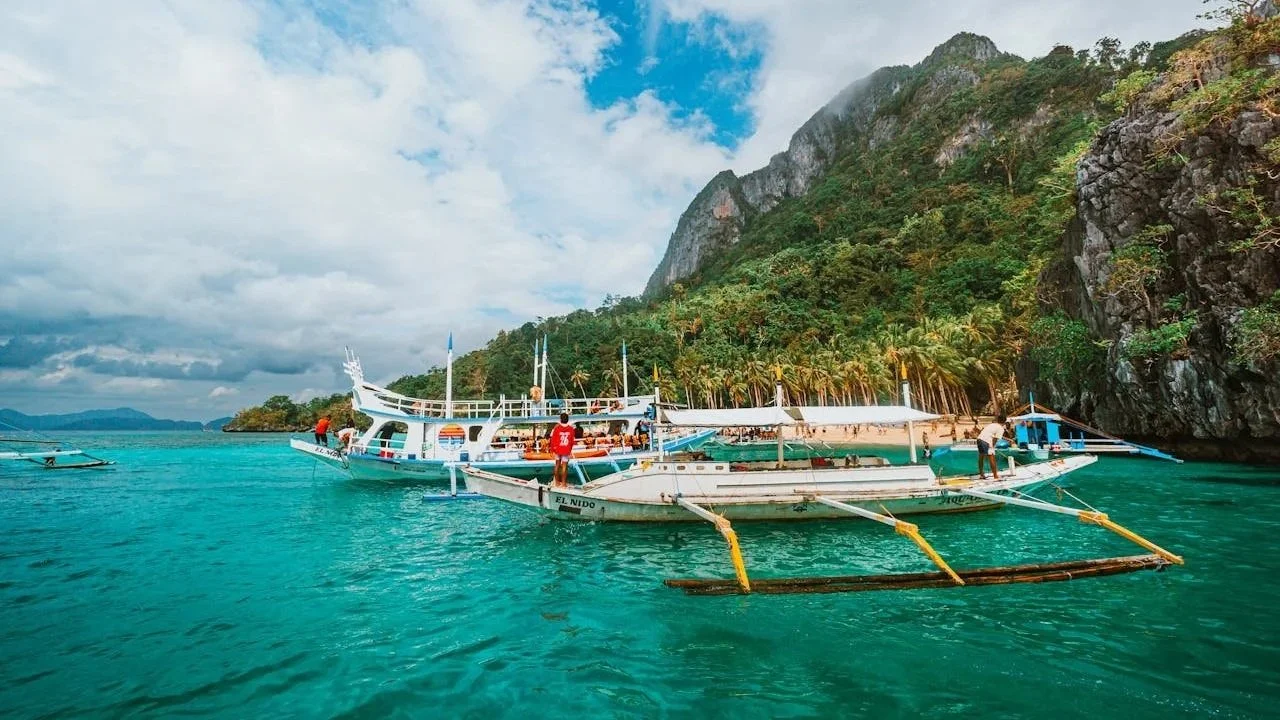
Photo by Nothing Ahead
Heading to the Philippines in 2026? With 7,107 islands to choose from, the logistics can feel overwhelming — but a few smart steps will keep you moving smoothly from arrival to island hopping. This guide gives you the exact, up-to-date actions to take (and avoid) so you won’t get stuck at check-in, on a sold-out ferry, or on a cashless island.
Before you board: eTravel (the non-negotiable step)
The Philippine eTravel registration is mandatory in 2026. The system enforces the "72-hour rule": you must register within 72 hours (three days) before your arrival into or departure from the Philippines. Airlines and gate agents expect you to present your eTravel QR code before boarding, so do this early in the 72-hour window to avoid last-minute connectivity or tech issues.
✅ Do this: complete your eTravel registration within the 72-hour window and save/print the QR code.
⚠️ Warning: eTravel is free. Avoid third-party sites that ask for a "service fee."
(See the official eTravel FAQ for details.)
Getting around the cities: use Grab for reliability
In major tourist hubs — Metro Manila, Cebu, Iloilo, and Davao — Grab is widely available and provides upfront pricing, driver info, and app safety features that remove the hassle of haggling with street taxis. For 2026 travelers, Grab is the practical go-to for point-to-point city trips and airport transfers.
⭐ Tip: Compare Grab pricing vs. a metered taxi if you prefer street pickups, but rely on the app if you prioritize predictability and safety.
Inter-island ferries: book early, especially Cebu–Bohol
High-demand routes like Cebu–Bohol are served by major fast-ferry operators — notably OceanJet. For 2026, OceanJet continues to encourage online booking through its official booking flow. Reserve your seat ahead of weekends, holidays, and peak season to avoid sold-out sailings and long lines.
✅ Do this: book directly on the operator's official site (OceanJet) rather than resellers whose schedules and fees can change.
Foot protection on beaches: bring water shoes
Many beaches and entry points have rocky or coral-strewn bottoms, and sea urchins are still a risk in certain spots. Water shoes protect your feet for shallow entries, reef walking, and rocky beaches.
🧳 Pack: lightweight, quick-dry water shoes with a grippy sole — they fold easily into luggage and save you from painful surprises.
Money on the islands: the cash reality
Even in well-visited beach towns, ATMs can run out of cash, and smaller islands may have limited or no ATMs at all. For 2026 trips, plan to carry a PHP cash buffer and plenty of small bills for transport, port fees, small eateries, and tours.
⭐ Tip: Withdraw cash while you are in a major city (Manila, Cebu) where ATMs are more reliable, and keep a backup card in a separate place.
⭐ Tip: Use cards where accepted in cities, but assume cash is king on remote islands.
Quick 2026 checklist (what to do, and when)
✔️ Within 72 hours of arrival/departure: complete eTravel and save your QR code.
✔️ Before city transfers: install Grab and set up payment (card/cash preference) if you plan to use it.
✔️ At least a few days before island travel: book ferry tickets (OceanJet) online for popular routes.
✔️ Packing: include water shoes in your beach kit.
✔️ Money: withdraw a PHP cash buffer in a major city, carry small bills for everyday purchases.
Common travel stressors — and how to avoid them
Stuck at check-in: don’t be that traveler. eTravel QR code is commonly checked before boarding.
Sold-out ferry: book the ferry early through the operator’s site.
No cash on arrival: plan ahead and bring physical pesos.
You’re not expected to memorize every detail — but following these few rules will remove the most common logistical headaches and let you enjoy the Philippines rather than manage it.
Travel planning can be stressful, but a handful of up-to-date actions will keep your trip running smoothly: register on eTravel within 72 hours, use Grab in major cities, book ferries like Cebu–Bohol via OceanJet early, pack water shoes, and carry a PHP cash buffer. If you want help turning this into a day-by-day logistics plan or a one-page checklist for your specific itinerary, contact Go Beyond Travel for a personalized consultation.
#PhilippinesTips #eTravelCard #SmartTravel #TravelHacks #IslandLife
📦 Key Takeaways
Register on eTravel within 72 hours before arrival/departure and present the QR code at boarding.
Use only the official eTravel site (it’s free) and avoid third-party sites charging fees.
In-city rides: prefer Grab in major hubs (Metro Manila, Cebu, Iloilo, Davao) for upfront pricing and safety features.
Book popular ferry routes (e.g., Cebu–Bohol) online in advance via OceanJet to avoid sell-outs.
Bring water shoes for rocky/coral beach entries to protect against sharp surfaces and urchins.
Carry a PHP cash buffer and small bills — ATMs can run out and some islands have limited/no ATMs.
