
Netherlands 2026: Plan Your Cultural Trip Around Golden Age Art, Kinderdijk Windmills & Water Engineering
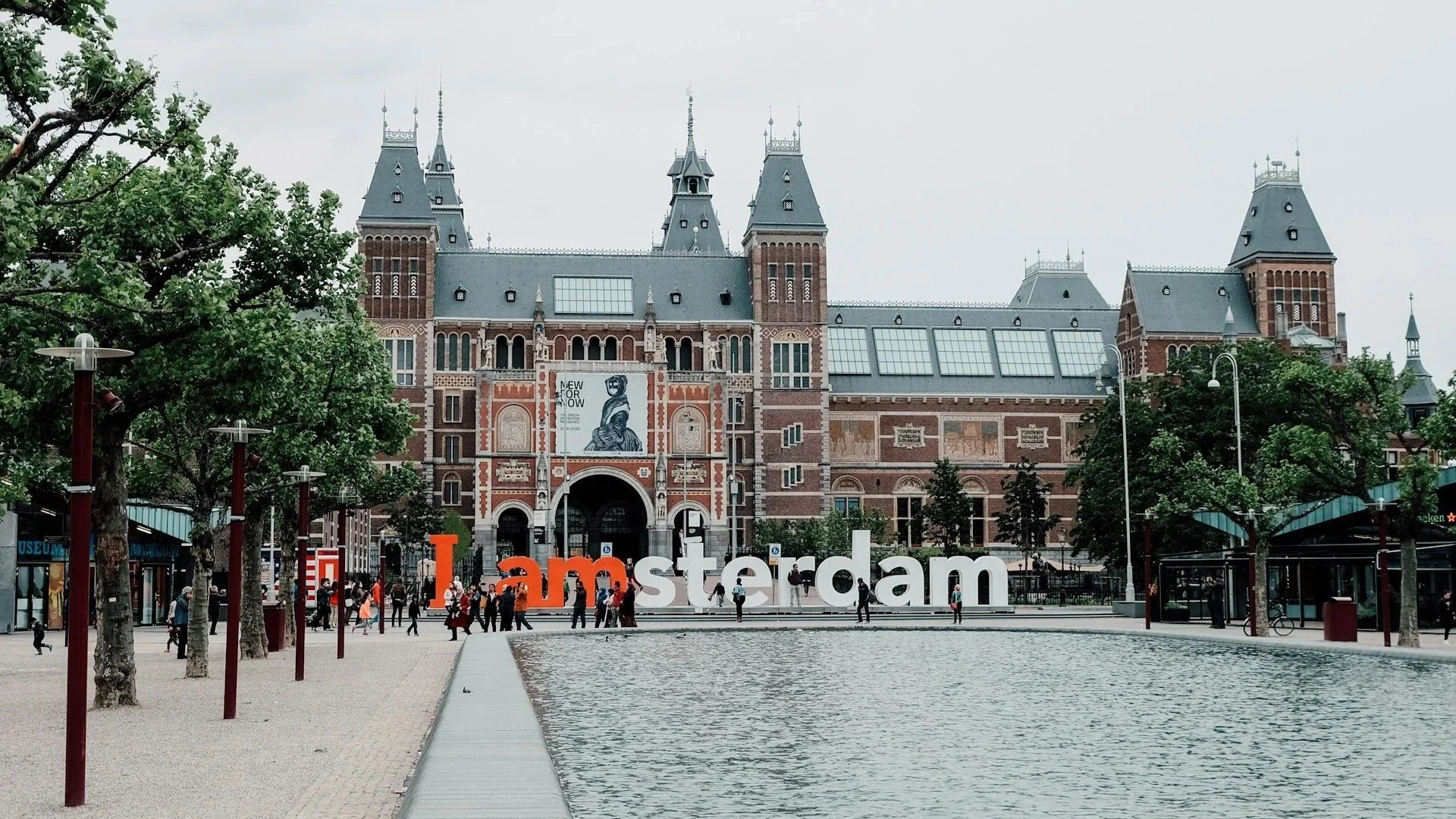
Photo by jennieramida
Imagine standing on a quiet canal bridge as the sun hits a painted gable and a chorus of bicycle bells fades into the background — the Netherlands is a place where art, engineering and small, cozy moments come together. If you’re planning a 2026 cultural trip, this guide helps you turn inspiration into a practical, confident itinerary focused on Golden Age painters, UNESCO windmills, the country’s world-leading waterworks, and the Dutch idea of “gezelligheid.”
Why the Netherlands should be on your 2026 cultural radar
The country’s Golden Age painters (think Rembrandt, Vermeer, Hals), its ingenious relationship with water, and a national commitment to cozy, human-scale living (“gezelligheid”) make the Netherlands unusually layered for short trips or longer explorations. In 2026, these themes are front-and-center in tourism products: blockbuster museum shows in Amsterdam, curated tours of polders and dikes, and UNESCO visits to Kinderdijk.
Entry & travel rules
Check ETIAS status before booking. Even if implementation dates change, ETIAS remains a key planning item for visa-exempt travelers to the Schengen Area — verify current requirements on the EU’s official ETIAS page.
Remember the Netherlands is in the Schengen Area; short-stay rules apply across many nearby countries if you’re combining destinations.
Museum visits and tickets (Rijksmuseum, Van Gogh Museum)
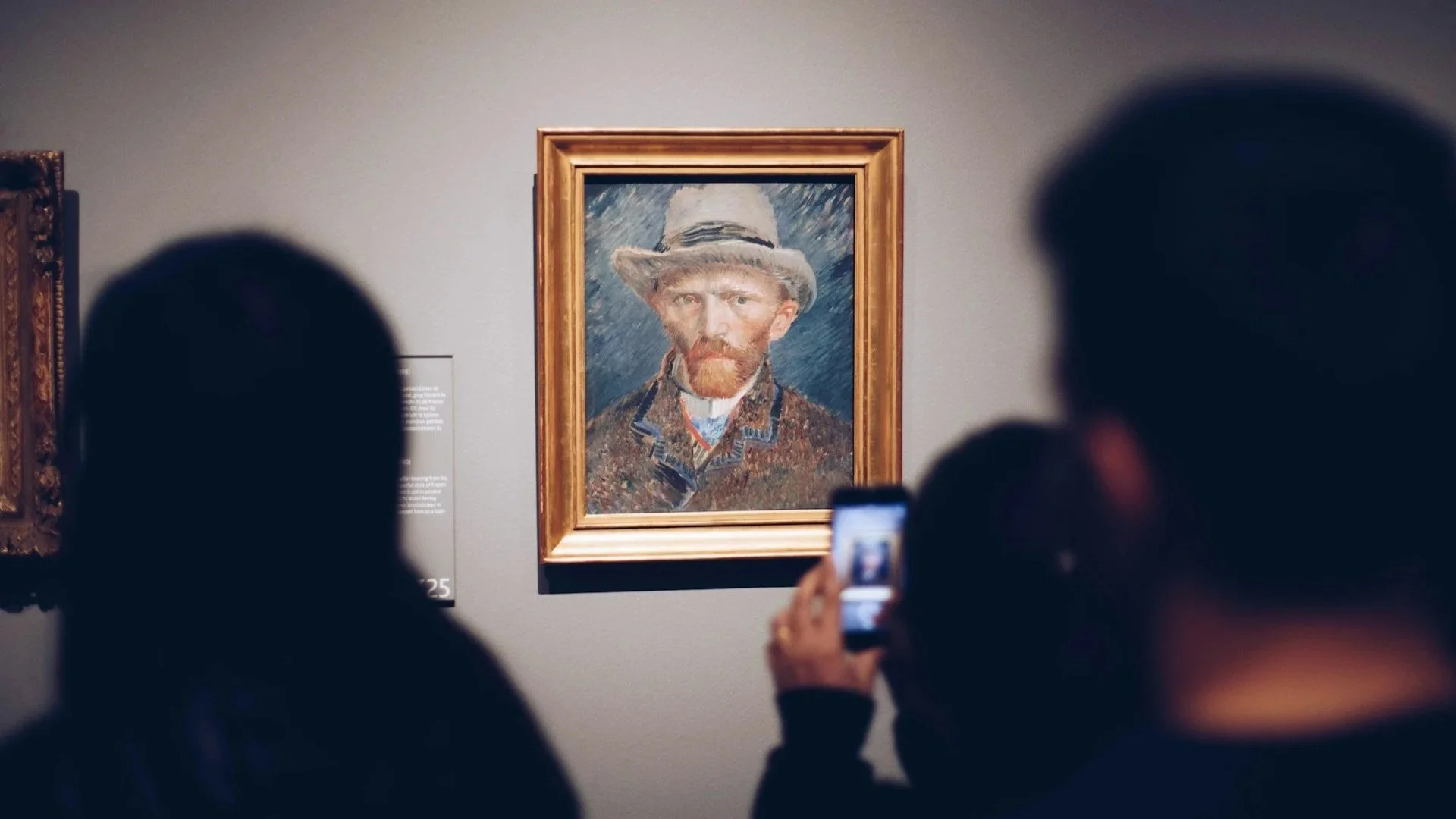
Photo by Ståle Grut
Top museums publish exhibitions on rolling timelines; always check official “What’s On” pages before you finalize dates.
Expect timed-entry ticketing and advance reservations at major Amsterdam museums—book early for spring/summer 2026 when demand is highest.
If a blockbuster exhibition is scheduled during your stay, factor in higher crowds and possible price changes for that period.
Kinderdijk: UNESCO windmills (day-trip planning)
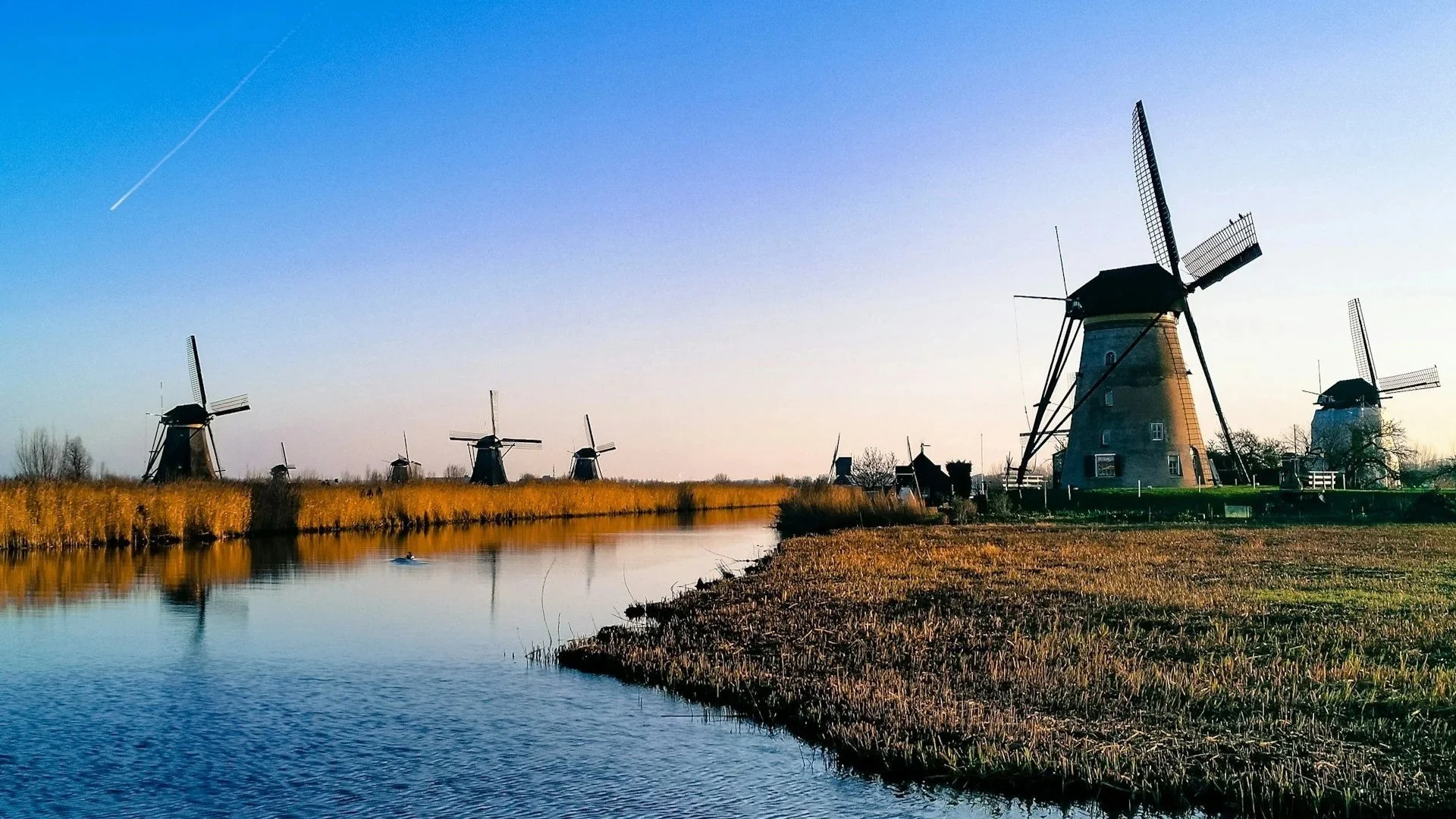
Photo by Peter Hall
Kinderdijk is managed through its official visitor site and functions as a structured, paid attraction with museum mills and set visitor routes.
Peak midday crowding is common in summer; plan early morning or late-afternoon visits for better light and fewer tour groups.
Kinderdijk pairs well with Rotterdam or The Hague, and is often combined with river or canal cruises and cycling routes.
💦 Experienceable engineering: dikes, polders, Delta Works
By 2026, water engineering experiences are mainstream cultural attractions: visitor centers explain why systems exist, how they work, and what Dutch adaptation to climate change looks like in everyday life.
Recommended pairings: Delta Works and Zeeland for dramatic coastal engineering; Afsluitdijk-area interpretation with visits to nearby towns; polders and reclamation exhibits paired with The Hague or Leiden to diversify your itinerary.
⛅ Seasonality — pick the right time for your priorities (2026)
🌷 Spring (Mar–May): Peak for gardens and tulips; museums surge and lodging prices rise during holidays and school breaks. Book early for April–May 2026.
🎉 Summer (Jun–Aug): Most festivals and longest daylight for engineering day trips—but also the busiest and most expensive, especially in Amsterdam.
🖼️ Autumn (Sep–Oct): Strong shoulder season for museums and city breaks; easier ticket availability and better value than summer.
☕ Winter (Nov–Feb): Ideal for museum-heavy trips and embracing ‘gezelligheid’—seasonal lights, cozy cafés, and quieter cultural sites.
🛏️ Where to sleep — save money without missing culture
Amsterdam is the cultural heart but also the priciest. For better value and quick rail connections, base yourself in Haarlem, Utrecht, Rotterdam, Leiden or Delft. Each offers its own mix of museums, canals, and local cafés while keeping Amsterdam an easy day visit.
For water-engineering-focused stays, consider Rotterdam or Zeeland to combine architecture, ports, and Delta Works interpretation centers.
📅 Itineraries ideas for different trip lengths (2026)
3 days: Amsterdam museum cluster + a canal walk; an evening embracing ‘gezelligheid’ at a brown café.
5 days: Amsterdam (Rijksmuseum, Van Gogh) + day trip to Kinderdijk via Rotterdam; evening in Delft or Haarlem for quieter nights.
7+ days: Add Delta Works/Afsluitdijk-area visit, a cycling day through reclaimed polders, and a mix of city and coastal time in Zeeland or The Hague.
⭐ Practical tips and empathy for overwhelmed planners
Feeling swamped? Start by locking two things: travel dates and your museum must-sees. Book timed-entry museum tickets and one centrally located hotel (or a base city outside Amsterdam), then fill in day trips.
Book early for spring and summer 2026. Set calendar reminders to check exhibition pages for last-minute schedule updates.
Use mornings and late afternoons for busy heritage sites like Kinderdijk to avoid tour-peak middays.
Helpful official pages to bookmark for 2026 planning
ETIAS (status & guidance): https://travel-europe.europa.eu/etias_en
Rijksmuseum “What’s On”:https://www.rijksmuseum.nl/en/whats-on
Van Gogh Museum “What’s On”: https://www.vangoghmuseum.nl/en/visit/whats-on
Kinderdijk visitor info & tickets: https://kinderdijk.com/
The Netherlands in 2026 rewards travelers who blend art, engineering and slow, cozy moments. Whether you’re tracing Rembrandt in the Rijksmuseum, cycling past polders, or watching windmill sails at Kinderdijk, a bit of advance planning — checked ETIAS status, timed-entry museum tickets, and choosing the right base city — will make your trip smoother and more memorable. Ready to turn this into a trip tailored to your interests and pace? Contact Go Beyond Travel for a personalized consultation and we’ll build a 2026 itinerary that brings Dutch culture to life for you.
#DutchHistory #VanGogh #Windmills #DutchHeritage #Museums #Gezelligheid
📦 Key Takeaways
Amsterdam’s museum cluster (Rijksmuseum, Van Gogh Museum) anchors most Golden Age itineraries—book timed-entry tickets in advance for spring/summer 2026.
Water engineering (Delta Works, Afsluitdijk-area projects, polders) is packaged as visitor-friendly cultural experiences—pair these sites with nearby cities for variety.
Kinderdijk’s UNESCO windmills are a top day trip from Rotterdam/The Hague; expect paid tickets and crowds in peak months—visit early or late in the day.
Consider base cities outside Amsterdam (Haarlem, Utrecht, Rotterdam, Leiden, Delft) for better value and easy rail access.
ETIAS status can affect visa-exempt travelers—check the EU’s official ETIAS page before booking and remember the Netherlands is in the Schengen Area.
Choose season by focus: spring for tulips and busy museums, summer for long daylight and engineering day trips, autumn for value and fewer crowds, winter for ‘gezellig’ indoor culture.
