
Pack it Right: The Ultimate Guide to Flying with Medical Prescriptions and OTCs
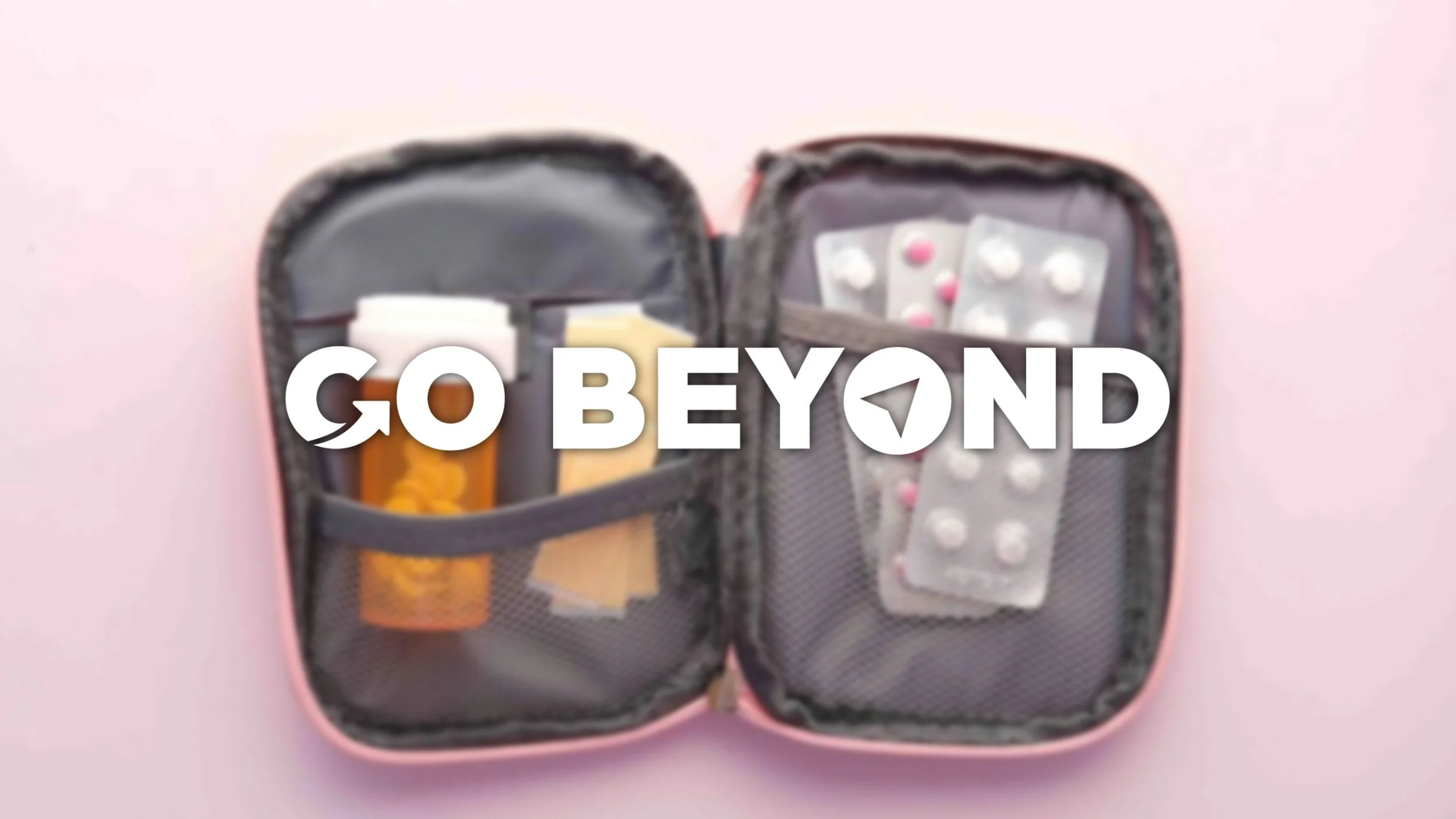
Traveling with medications can feel like juggling passports, time zones and airport lines — one misplaced bottle and your trip, or your health, could be jeopardized. In 2026 the rules you need to know haven’t radically changed, but planning the right way is non-negotiable: keep critical meds with you, declare oversized medical liquids, and bring clear documentation so you don’t run into trouble at security or customs.
Why this matters in 2026
Travel health guidance for 2026 reinforces a few simple rules that solve most hassles: pack important meds in your carry-on, keep clear labels and paperwork with generic names, and verify customs rules for every country you visit or transit through. The CDC remains the gold-standard reference, and the TSA’s medical-liquids exception is still in force for 2026 travel.
Carry-on: your single most important rule
Keep all critical medications in your carry-on (not checked luggage). The CDC explicitly advises: “Pack medications in a carry on in case your luggage is lost or delayed.”
Why: checked bags can be lost or delayed, and the cargo hold is an environment you can’t monitor (temperature-sensitive meds are at risk).
Practical tip: place meds in an easy-to-reach compartment of your carry-on so you can access them during long delays and at security.
🧴 TSA medically necessary liquids — what to know
The TSA allows medically necessary liquids, gels and aerosols in amounts larger than 3.4 oz when needed for health, but you must declare them at the security checkpoint for inspection.
Action item for you: declare oversized medical liquids to the security officer before screening and present any documentation if asked (prescription, bottle label).
💊 Labeling, prescriptions and provider notes (reduce friction)
Keep medicines in original, labeled containers that show your full name, the prescribing provider, the medicine name (brand and generic) and exact dosage.
Bring copies of written prescriptions showing generic names. For controlled substances and injectables (insulin, EpiPen, ADHD stimulants, opioids), ask your doctor for a dated letter that lists medications by generic name and the medical reason.
U.S. State Department guidance echoes this: doctor letters should list generic names and you should keep meds in original packaging.
International customs: don’t assume uniform rules

Country rules vary widely; consequences for noncompliance can be severe. Check the foreign embassy or consulate for each country you will visit or transit through — even a connection can be a problem if that country’s laws are strict.
For controlled substances, extra paperwork may be required. In the Schengen Area, for example, a Schengen medical certificate (Article 75) may be required for narcotic and psychotropic medications when traveling within Schengen — typically for up to 30 days.
The UK specifically instructs that medicines containing controlled drugs must be carried in hand luggage and that you should be able to prove the medicine was prescribed for you; it references a 3-month supply limit and the contents that must be included in the proof letter.
Practical packing checklist (quick)
✅ Medications in original, labeled containers (carry-on)
✅ Copies of prescriptions with generic names (paper + digital photo)
✅ Provider letter for controlled substances/injectables (signed and dated)
✅ Enough supply for the trip + a few days buffer (but verify destination limits)
✅ Small insulated bag/cool pack for temperature-sensitive meds (carry-on)
✅ List of meds (generic names), dosages, prescribing doctor, and emergency contact
✅ Pharmacy phone number and insurance card
Step-by-step: at-home to airport
At home: ask your provider for a letter listing medications by generic name (and reason) if you take controlled substances or injectables.
Pack: put all critical meds and a duplicate set of documents in your carry-on. Keep OTCs you need daily in carry-on too.
Before you go: check embassy guidance and INCB or local health authority rules for controlled meds at every destination and transit point.
At security: declare medically necessary liquids/ gels/ aerosols over 3.4 oz and present bottles/documentation for inspection.
At arrival: keep proof handy in case customs or local police request it, especially for controlled medications.
Special notes on controlled substances and injectables
💉 Controlled substances frequently require more than a doctor note. For travel in the Schengen Area, look into the Schengen medical certificate (Article 75) through the appropriate national health authority (e.g., Germany’s BfArM). These certificates commonly cover travel for up to 30 days.
💉 For the UK, follow GOV.UK instructions: carry the medicine in hand luggage, have a proof letter that includes required details and keep within allowed supply limits (the UK references a 3-month supply limit in relevant guidance).
💉 Always verify whether a transit country’s rules differ from your final destination; some countries will enforce their own restrictions even if you only connect through their airport.
Extra tips to reduce stress
Make both digital photos and paper copies of all documents; keep digital copies in a secure cloud folder you can access from anywhere.
If you use medically temperature-sensitive products (insulin, biologics), plan for a travel cooler and a note from your doctor; always carry these in the cabin.
Consider contacting your destination’s embassy if you’re unsure how a medication is classified locally.
❗ If something goes wrong
Lost meds: because you packed them in your carry-on you greatly reduce the risk; if you do lose them, contact your prescribing doctor and local pharmacies immediately — and consult your travel insurance for emergency refill options.
Customs issues: remain calm, present all paperwork, and request to speak to a consular official if you’re detained or questioned about prescriptions.
Quick reference: 2026 policy highlights
TSA: medically necessary liquids exception remains in force for 2026 — declare oversized liquids at the checkpoint.
CDC: continues to recommend carry-on packing, original containers, and prescriptions with generic names for travel.
UK: controlled drugs must be in hand luggage with proof of prescription; a 3-month supply limit is referenced.
Schengen (e.g., Germany/BfArM): Schengen certificate may be required for certain narcotic/psychotropic medications for travel up to 30 days.
(See sources below for full official guidance.)
Traveling with prescriptions and OTCs in 2026 doesn’t have to be stressful — with a few smart steps you can avoid airport delays, customs problems, and health interruptions. Keep meds in your carry-on, declare oversized medical liquids at TSA checkpoints, carry original-labeled containers plus prescriptions and provider notes (especially for controlled drugs and injectables), and verify rules with embassies or INCB for every country you’ll visit or transit. Don’t let a logistical headache at the airport ruin your health or your vacation. Contact Go Beyond Travel for a personalized consultation.
#TravelWithMedication #PackingTips #TSAGuidelines #TravelSmart #HealthyTravel
📦 Key Takeaways
Always carry critical and temperature-sensitive meds in your carry-on — checked bags can be lost and cargo holds are unmonitored.
TSA allows medically necessary liquids/ gels/ aerosols over 3.4 oz, but you must declare them at the checkpoint.
Keep meds in original labeled containers and bring prescriptions (with generic names) plus a provider letter for controlled substances or injectables.
Customs rules vary — check destination and transit-country guidance (embassy, INCB, or local authority) well before travel.
Special paperwork (e.g., Schengen certificate, UK proof letter) may be required for controlled drugs; don’t assume a simple doctor note is enough.
