
Raw and Real: Why "Off-Grid Eco-Luxury" is Dominating Argentina
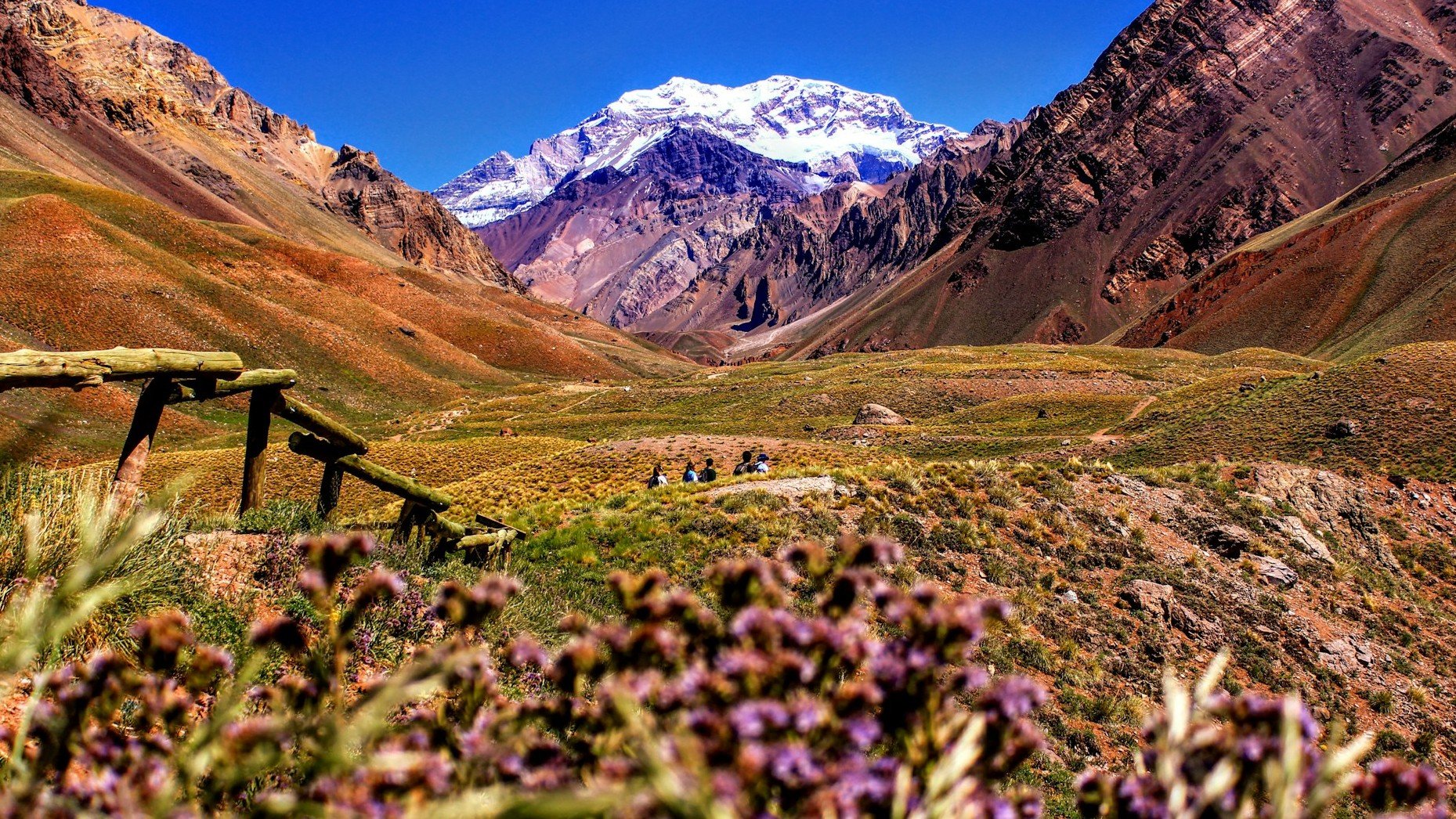
Photo by Nicolas Perez
You want luxury that feels quiet, real and responsible — not shiny and overrun. For 2026, Argentina is answering with off-grid eco-lodges, jaguar-linked rewilding stories in the Iberá Wetlands, and high‑altitude, low‑crowd wine retreats in Cafayate. If you crave privacy, purpose and personalization, here’s how to plan a regenerative, ultra‑personalized Argentine escape.
Why Argentina is the 2026 playground for off‑grid eco‑luxury
Regenerative travel—trips that do more than reduce harm and instead actively restore ecosystems and benefit local economies—is the defining sustainability trend for 2026. You’ll see that play out in Argentina as travelers trade crowded bucket lists for quiet sanctuaries where conservation and luxury are intertwined.
Two regions capture this shift perfectly:
Iberá Wetlands: a wildlife-first, rewilding-backed destination where jaguar reintroduction has become a compelling conservation narrative.
Cafayate (Calchaquí Valley): high-altitude vineyards, dark skies and remote estates that prioritize place-based hospitality and water stewardship.
These are the places to go when you want privacy, meaning and a tailor-made itinerary.
Iberá Wetlands: jaguars, rewilding and research-backed wildlife encounters
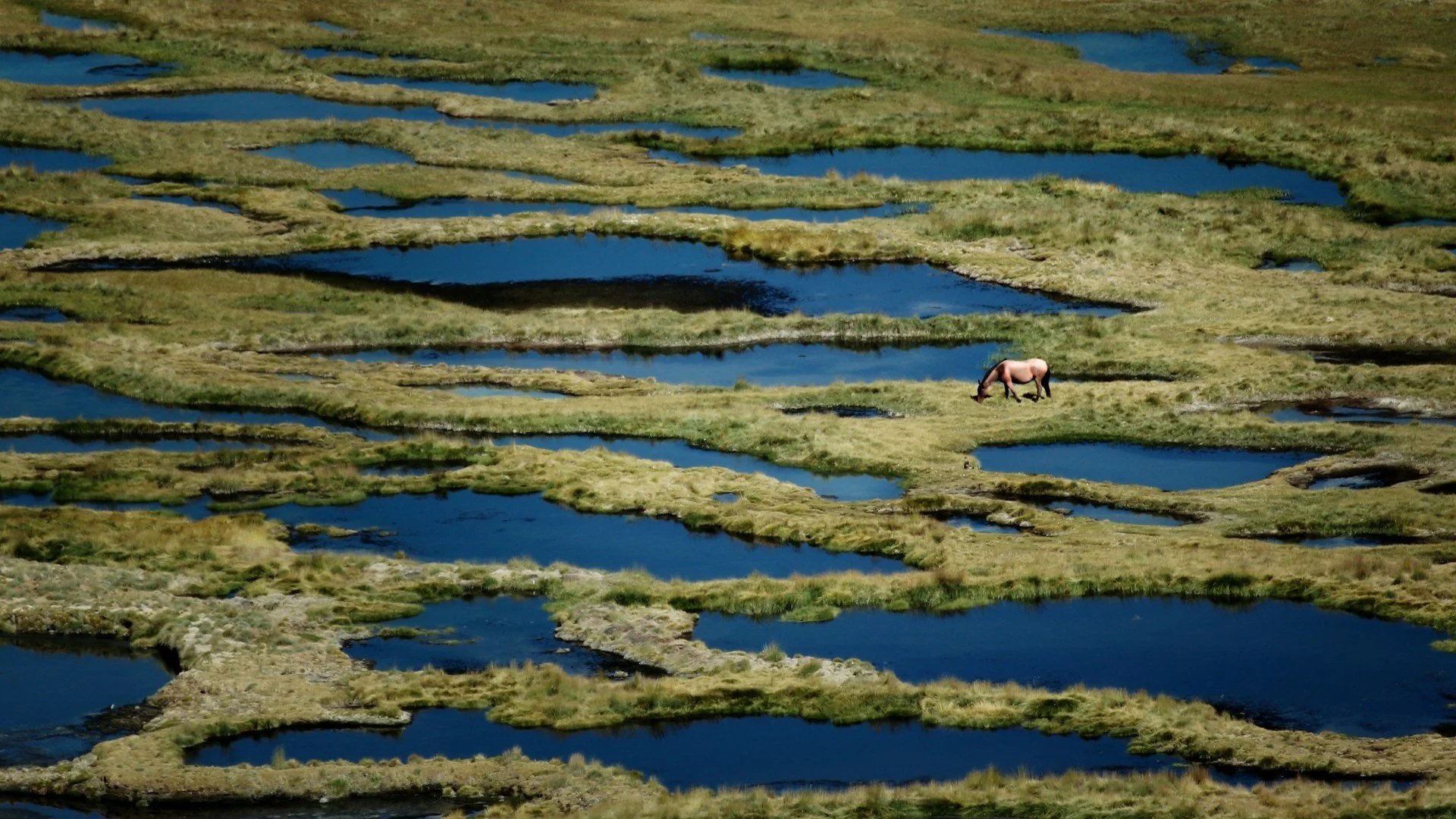
Photo by Luciano Oldecop
What you can expect
A wildlife-first model tied to real rewilding work: Iberá is now widely recognized (including in Best in Travel 2026 coverage) as a destination to celebrate rewilding success and increasingly search for wild jaguars.
Monitoring infrastructure underpins the story: jaguars reintroduced into Iberá are GPS-collared for research, movement tracking and corridor protection. Frame this as research-backed conservation monitoring — it improves the narrative without promising guaranteed sightings.
Low-density, off-grid lodges: safaris by boat, canoe and horseback that keep visitor numbers down and center wildlife needs.
Responsible viewing guidance
No guarantees: sightings are improving year over year, but ethical operators will be clear that jaguars are wild and sightings cannot be promised.
Choose operators who transparently share how tracking and monitoring support conservation — that ensures your visit contributes to science and protection.
Ask how lodges support local economies and habitat restoration (jobs, anti-poaching patrols, community programs).
Cafayate: quiet wine country at altitude
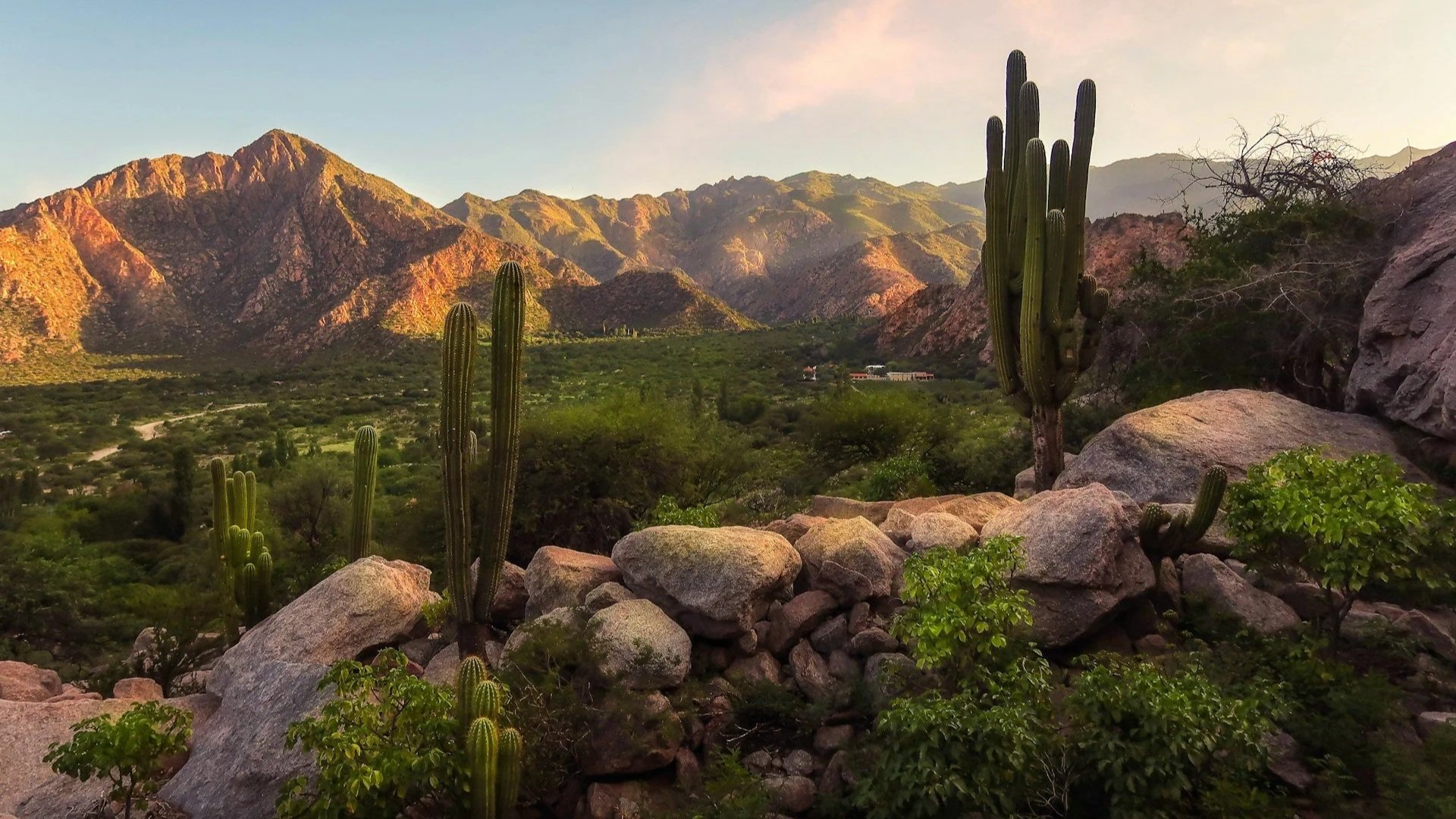
Photo by Hector Ramon Perez
Why Cafayate works for quiet luxury
Remoteness and dark skies: Cafayate is marketed by high‑end specialists as a secluded retreat where stargazing and slow itineraries replace crowded tasting rooms.
Place-based experiences: vineyard stays, small-batch winemakers, mountain scenery and cuisine rooted in the Calchaquí Valley.
Sustainability hooks: spotlight water stewardship, local sourcing and small-scale lodges that prioritize remoteness and low impact.
Practical tips for Cafayate
Use Cafayate as a shoulder-season alternative to mainstream Mendoza itineraries if you want fewer crowds in 2026.
Look for lodges that emphasize local staffing, seasonal food and dark‑sky programming.
How to design your 2026 off‑grid eco‑luxury trip (practical checklist)
⭐ Priorities to book and confirm
Private guides and small groups: insist on experiences capped for density control and deeper personalization.
Conservation transparency: prioritize operators that explain how tourism revenue funds rewilding, monitoring (e.g., GPS-collars) and community projects.
Shoulder-season travel: book outside mid-summer and major holidays to maximize privacy and lower impact.
Health & safety: note that the U.S. Embassy in Buenos Aires updated the Argentina Travel Advisory on May 20, 2026 — a health risk indicator was added; the overall advisory level did not change. Check official advisories as you finalize plans.
⭐ Booking tips
Reserve off-grid lodges well in advance for 2026 — many small properties have limited rooms and strict guest caps.
Ask about on-site sustainability practices: water management, renewable energy, waste handling and local supply chains.
Confirm what “jaguar‑searching” actually entails (hours on the water, typical group size, and how monitoring work is communicated to guests).
Responsible traveler checklist (how your trip can be net positive)
✔️ Support businesses that contribute directly to restoration and community livelihoods.
✔️ Favor operators who include conservation fees or demonstrate measurable local investment.
✔️ Choose slow itineraries that reduce transfers and spotlight fewer, deeper experiences.
✔️ Respect wildlife protocols: maintain distance, avoid disruptive behavior and follow guide instructions.
What we still recommend you verify before you go
Official 2026 local event calendars: specific festival dates in Iberá or Cafayate for 2026 weren’t strongly surfaced in this pass; if a local festival matters to you, we recommend a short follow-up search with local tourism offices or we can confirm that for you.
Visa/entry-rule changes: beyond the May 20, 2026 travel advisory update, there were no clearly confirmed Argentina-wide 2026 visa changes in the materials reviewed here — always verify with official government sources before travel.
Packing & logistics reminder
Bring binoculars and a field guide for birds and wetland mammals (capybaras are commonly seen in Iberá).
Pack neutral clothing for wildlife outings, sun protection for high-altitude Cafayate days, and a good headlamp for off-grid lodges.
Prepare for simple, high-comfort stays rather than urban luxury: off-grid eco‑lodges prioritize authenticity over opulence.
Final note on privacy and personalization
Luxury in 2026 is quieter, more private and more purposeful. If you want to avoid “over-filtered” hotspots, Argentina’s Iberá and Cafayate are textbook choices: each offers low-density, high-meaning experiences that connect you to rewilding success and place-based hospitality.
Planning this kind of trip can feel overwhelming — you want privacy, authenticity and assurance that your visit helps, not harms. That’s exactly where Go Beyond Travel comes in. We design hyper‑personalized, regenerative itineraries in Iberá and Cafayate, verify operator transparency, and handle logistics so you can arrive relaxed and confident. Contact Go Beyond Travel for a personalized consultation.
#EcoTravel #IberaWetlands #SustainableLuxury #OffGridTravel #TravelTrends #Argentina2026
https://www.cntraveler.com/story/the-biggest-sustainability-trends-in-travel-for-2026
https://www.bbc.com/travel/article/20251201-seven-travel-trends-that-will-define-2026
https://www.andbeyond.com/impact/coalitions/jaguar-reintroduction-project
https://ar.usembassy.gov/update-to-travel-advisory-u-s-embassy-buenos-aires-argentina
https://trans-americas.com/wp-content/uploads/2025/11/LP_Bit26_Ibera.pdf
https://www.blacktomato.com/us/destinations/argentina/grace-cafayate
📦 Key Takeaways
2026 travel demand favors regenerative, ‘net positive’ trips that actively restore ecosystems and support local communities.
Iberá’s jaguar reintroduction is now a flagship conservation-tourism story — GPS-backed monitoring supports research and cautious wildlife-viewing narratives.
Cafayate offers a secluded alternative to mainstream wine regions: dark skies, mountain vineyards, and small-scale, sustainable stays.
Luxury in 2026 means quiet escapes, hyper-personalization and shoulder-season strategies to avoid crowds.
Check the U.S. Embassy update (May 20, 2026) — a health risk indicator was added to the Argentina Travel Advisory; the overall advisory level was not changed.
