
Oasis, Ocean, and Outposts: 5 Essential Regions to Explore in Oman

Original photo by Niklas Weiss
Oman in 2026 is a study in contrasts — from Muscat’s gleaming white corniche to the terraced heights of Jebel Akhdar, from dune-swept nights in Wahiba Sands to fjord-like days in Musandam. If you want an Arabian trip that mixes culture, hiking, desert solitude and ocean adventure, this is your year to go. This guide helps you plan a confident, safe and inspiring Oman road trip for the 2026 season.
Why Oman in 2026? A quick promise to your travel plans
Oman is compact enough to see big contrasts in one trip but rich enough that each stop rewards slow travel. In 2026 you get the added draw of the Muttrah Cable Car (expected Q1 2026) in Muscat and established seasonal highlights like the Muscat Festival (typically in January) and Salalah’s Khareef season (late June–mid September window). Below is a practical, region-by-region roadmap with timing, top experiences and safety/entry checks so you can plan with confidence.
The five-region contrast itinerary (how to sequence your trip)
Muscat: coastal cityscapes and new viewpoints
Nizwa: forts, souqs and heritage
Jebel Akhdar: mountain terraces, hikes and damask roses
Wahiba Sands (Sharqiya Sands): dunes and desert camps
Musandam (Khasab): fjord-like cruising, dolphins and snorkeling
Muscat — white architecture, markets and a 2026 hook
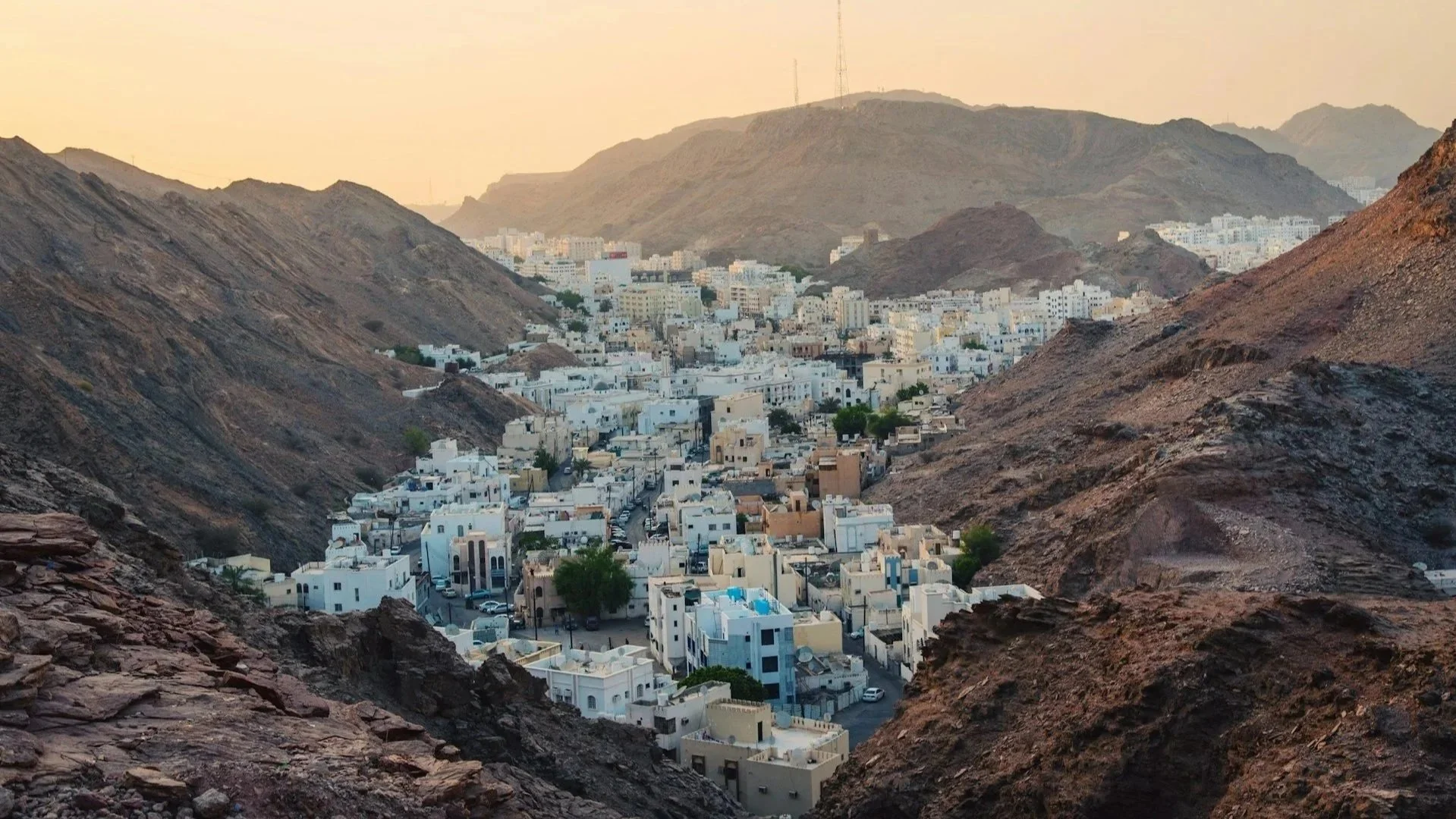
Photo by Anfal Shamsudeen
What to do: Walk the Muttrah Corniche, explore Muttrah Souq, visit the Royal Opera House and the Bait Al Zubair museum.
2026 highlight: Muttrah Cable Car is expected to open in Q1 2026 — a new option for skyline and harbor views (confirm opening and operating hours close to travel).
Practical: Sultan Qaboos Grand Mosque welcomes non-Muslim visitors Saturday–Thursday 08:00–11:00 per official guidance; modest dress is required (head covering for women; shoulders and knees covered). Always reconfirm hours around holidays and prayer times. (See Experience Oman for current visitor info.)
Nizwa — heritage and markets

Photo by Julius Yls
What to do: See Nizwa Fort, browse the traditional souq (silver, pottery, dates) and use the town as a gateway to nearby mountain villages.
Why go now: Cooler winter months (late Oct–Mar) make sightseeing comfortable and crowd levels manageable.
Jebel Akhdar — terraces, trails and the rose season
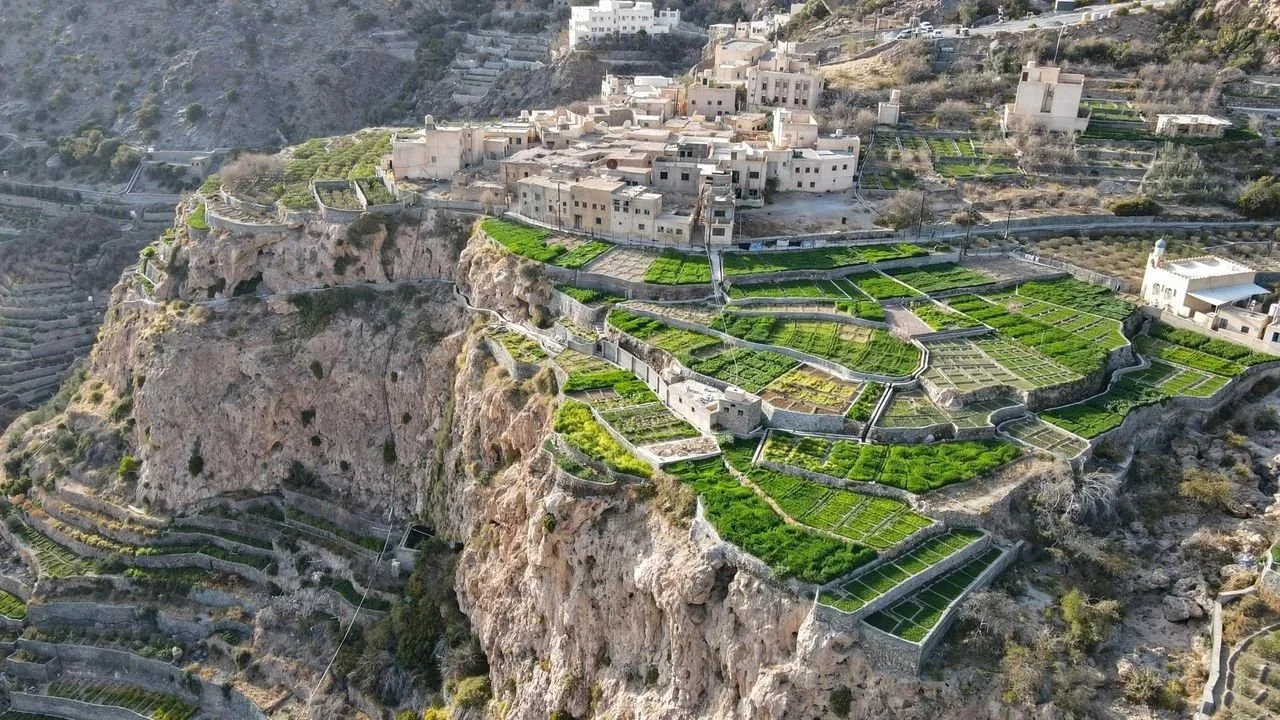
Photo by Djimmer Koster
What to do: Hike high-mountain trails, visit terraced farms, and in late March–April look for the damask rose season — a short, fragrant highlight.
Best time: Oct–Apr for higher-elevation exploration when daytime temperatures are pleasant. Book guided hikes and 4x4 transfers in advance — some roads require high-clearance vehicles.
Wahiba Sands (Sharqiya Sands) — dunes and desert nights
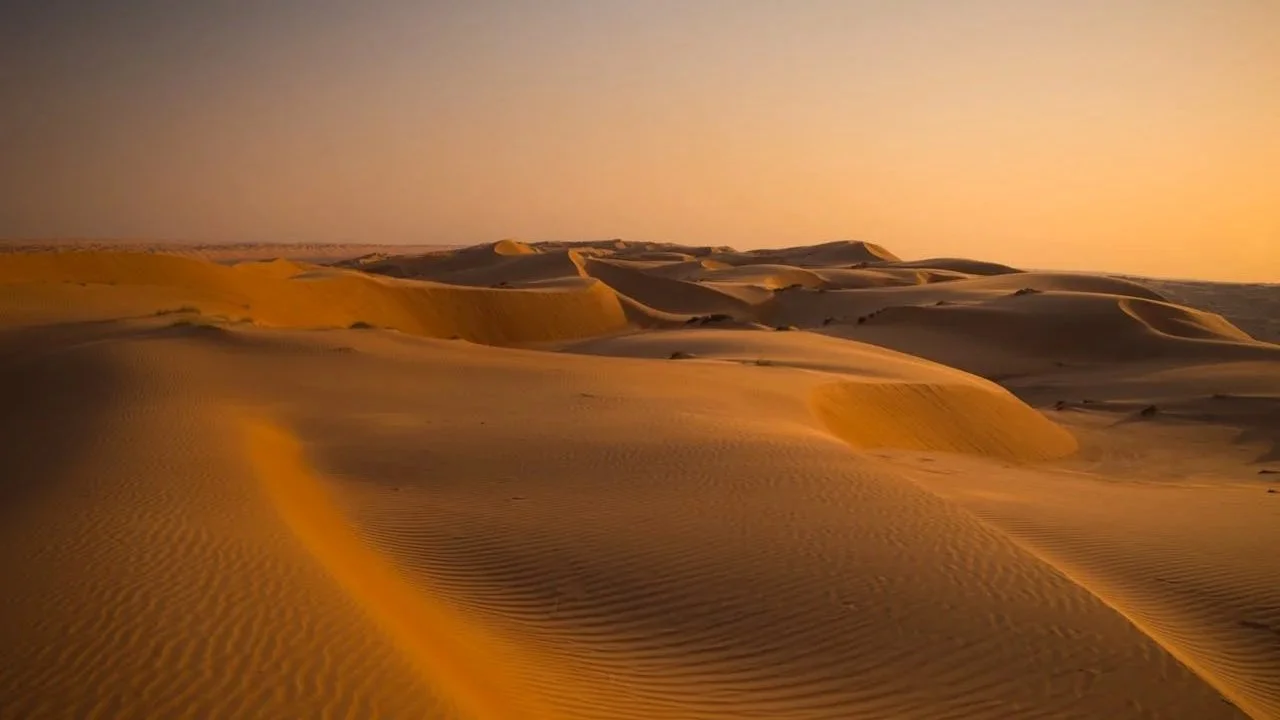
Photo by Noah C
What to do: Overnight in a desert camp, try sandboarding, take a sunrise/sunset dune drive and meet Bedouin communities.
Best time: Late Oct–Mar for cool days and cold-but-clear nights. Reserve reputable desert camps ahead of peak season.
Musandam (Khasab) — fjords, dolphins and dhow cruises
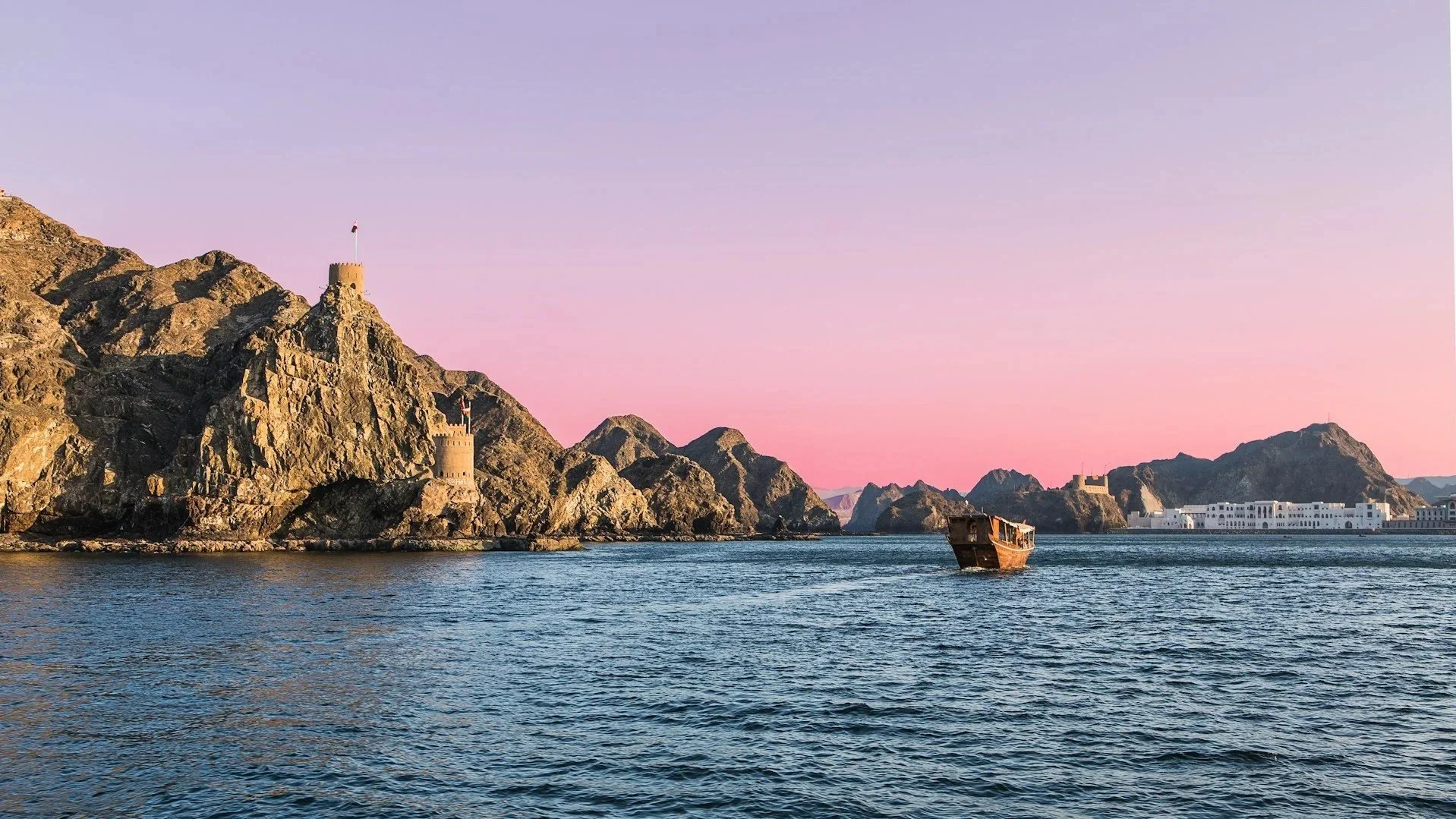
Photo by Lena Balk
What to do: Traditional dhow cruises remain the headline activity — options include half-day, full-day and overnight trips that combine dolphin watching with snorkeling and swimming stops.
Note: Cruise offerings and pricing vary by operator and season; book based on the level of comfort and length you prefer.
Practical planning essentials for 2026
⚠️ Safety and travel advisories
Important: The U.S. Department of State shows a Level 3 (Reconsider Travel) advisory for Oman with an April 2026 update; it specifically notes Yemen border areas as Do Not Travel. Check the latest advisory before booking and shortly before departure, and consider travel insurance that covers changes tied to advisories. When publishing or sharing operational pages, link to live government advisory feeds for the most current guidance.
🛂 Entry and visas
Use the Royal Oman Police eVisa portal as your authoritative starting point for tourist entry permissions and nationality-dependent requirements. Avoid unverified third-party visa services when possible.
✈️ Flights and local connectivity
Check Oman Air press releases and airline schedules for 2026 route updates and charter services; air networks can change, so confirm flights close to booking and again before departure.
🎉 Festivals and seasonality to watch in 2026
Muscat Festival / "Muscat Nights 2026": typically a January highlight; programming is announced closer to the event.
Salalah Khareef (Dhofar): expected season window late June–mid September 2026 with the core tourism festival usually mid-July–late August — treat these date ranges as seasonally reliable but confirm exact dates when organizers publish them.
Practical packing and itinerary tips
Clothing: Pack lightweight, modest layers for daytime in Muscat and Nizwa; warmer layers for Jebel Akhdar evenings and desert nights. A headscarf for mosque visits will save time.
Car vs. driver: If you want flexibility, rent a 4x4 for mountain roads; otherwise hire a driver/guide for peace of mind on remote routes.
Book ahead: Desert camps, Musandam dhow cruises and guided Jebel Akhdar hikes sell out in peak windows—reserve early, especially if traveling in late Oct–Mar.
Final checklist before you go (quick scan)
✔️ Confirm current travel advisories and border warnings.
✔️ Apply for/confirm eVisa via Royal Oman Police portal.
✔️ Check Muttrah Cable Car opening and Muscat Festival programming if those are central to your plans.
✔️ Reserve desert camp, Musandam cruise and any high-mountain transfers in advance.
✔️ Verify airline schedules (Oman Air updates) and travel insurance coverage for advisory-related disruptions.
Oman in 2026 gives you cinematic contrasts — sea-swept corniches, ancient souqs, cool mountain terraces and silent dunes — all within reach on a single, thoughtfully paced itinerary. With the Muttrah Cable Car adding a new Muscat viewpoint and established seasonal draws like the Muscat Festival and Khareef shaping travel windows, now is a smart time to plan. Be sure to check entry rules on the official eVisa portal and review travel advisories (April 2026 updates are especially important) as you lock in dates. Contact Go Beyond Travel for a personalized consultation.
#VisitOman #Muscat #Nizwa #WahibaSands #MiddleEastTravel #HiddenGems
📦 Key Takeaways
Oman’s classic contrast itinerary (Muscat → Nizwa → Jebel Akhdar → Wahiba Sands → Musandam) remains the top 2026 sell.
Best windows: Late Oct–Mar for Muscat/Nizwa/Wahiba; Oct–Apr for Jebel Akhdar; late Mar–Apr for Jebel Akhdar damask roses.
Muttrah Cable Car is expected to open in Q1 2026 — a fresh Muscat skyline viewpoint to watch for.
Check official travel advisories (U.S. Dept. of State updated April 2026) and avoid Yemen-border areas; confirm visa via Royal Oman Police eVisa portal.
Musandam dhow cruises and Wahiba Sands desert camps continue to be signature on-the-ground experiences — book in advance for peak season.
