
The Communal Bowl: Diving into Senegal’s Rich Culinary Traditions
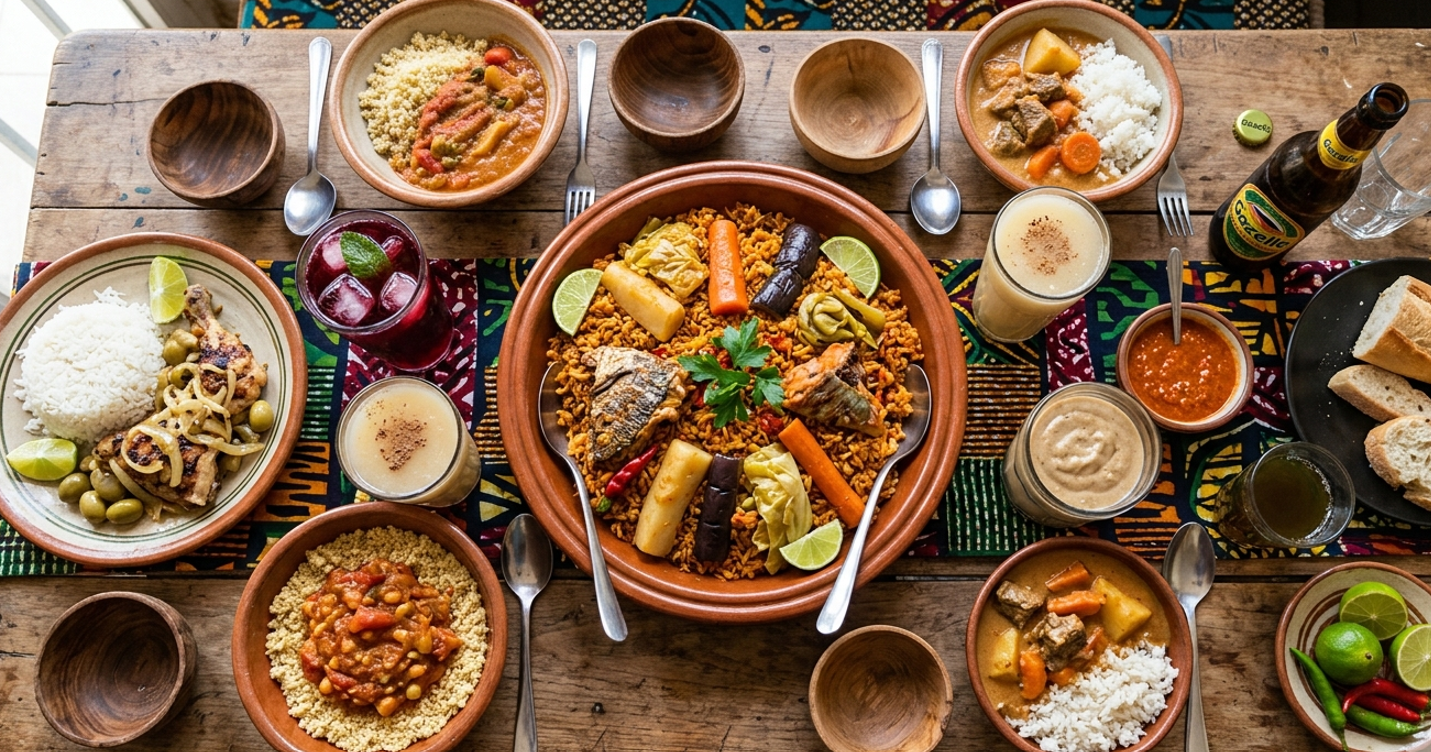
Imagine a steaming, tomato-scented platter set in the middle of a low table and a chorus of laughter as friends and family lean in to share the first bite. In Senegal, food is more than flavor—it’s a social practice called teranga, where the act of eating together is as essential as the dishes themselves. If you’re planning food-focused travel in 2026, this guide helps you experience Senegal’s communal dining traditions, must-try dishes, and practical planning tips so you can savor every moment without stress.
Why communal dining matters
Communal eating remains a core cultural practice in Senegal. In family homes and traditional settings you’ll often find a single large platter shared by everyone at the table. That shared bowl shapes how dishes are served and enjoyed—it’s about conversation, generosity, and connection as much as it is about taste. When you travel here, embracing communal dining opens up authentic experiences you won’t get from solo plates.
Signature dishes to seek out
🍽️ Yassa Poulet
Yassa Poulet is chicken marinated with onions and citrus (lemon or lime) and finished with a deeply caramelized onion sauce. It’s typically served with white rice and is beloved for its bright, savory balance.
🍽️ Thiéboudienne (Ceebu Jën)
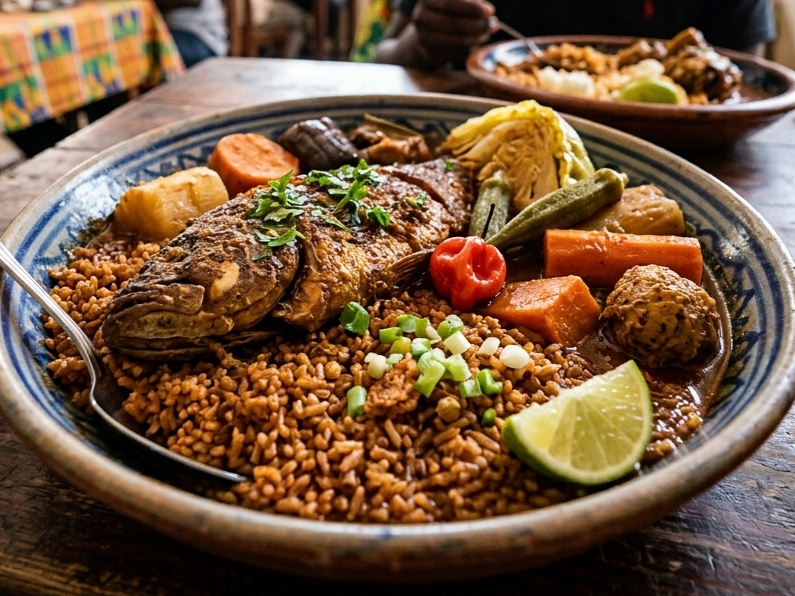
Thiéboudienne is widely cited as Senegal’s national dish: broken rice cooked in a tomato-rich broth with fish and a mix of vegetables such as cassava and eggplant (often alongside carrots, cabbage, and others). Recipes vary by household and region, so every plate tells a different story—try it in a home setting and at a restaurant to taste the differences.
🍽️ Mafé
Mafé is a thick peanut-based stew that shows the cross-regional richness of West African cuisine. In Senegal it’s commonly served with rice and can feature a mix of meat and vegetables—comforting, hearty, and deeply satisfying.
🍹 Drinks to pair with your meal
Bissap: a chilled hibiscus-based drink—refreshing on warm days.
Bouye: made from baobab fruit, often described as creamy or tangy depending on preparation.
When and where to plan your 2026 food trip
Best season: The dry season (roughly November–May) is the most comfortable time for markets, food tours, and coastal city exploration. The rainy season (roughly June–October) is hotter and more humid and can complicate logistics.
Festival timing: If you want to combine music and food, plan around the Saint-Louis Jazz Festival (34th edition) from 13–17 May 2026. Saint-Louis has its own food scene and street offerings that pair well with the festival experience.
Practical entry and travel tips for 2026
Travel rules can change, so re-check close to departure. Current baseline guidance for many travelers includes:
Many nationalities (for example, US/UK/Ireland citizens) can visit visa-free for tourist stays up to about 90 days—confirm before you travel.
Passport validity: authorities commonly require passports to be valid for at least six months beyond arrival.
Proof of onward/return travel and accommodation may be requested—keep copies accessible.
Yellow fever: certificate requirements depend on your routing and whether you’re arriving from a yellow-fever-risk country; check official guidance.
(Always verify the latest guidance from official government travel pages before you go.)
Respectful dining etiquette & practical on-the-ground tips
Be open to communal platters—accept invitations and let hosts guide how to join the meal.
Simple courtesies matter: arrive a little hungry, wash your hands before eating, and ask before taking photos of people or their food.
Try the same dish across different settings: markets, restaurants, and family-table meals will each reveal different versions of the same classic.
How to turn this into a travel plan for 2026
Build your trip around experiences: market visits, a hands-on cooking masterclass in Dakar, and at least one shared home-cooked meal or guided communal dining experience.
Time your visit for November–May if you want the most comfortable conditions for walking markets and exploring cities.
Consider pairing a cultural event—like the Saint-Louis Jazz Festival (13–17 May 2026)—with regional food stops for a rich blend of music and cuisine.
If arranging a cooking masterclass or a family-meal experience feels overwhelming, that’s normal—travel planning can be a lot. A travel specialist can customize logistics, confirm entry rules, and book authentic, respectful culinary experiences so you can focus on enjoying the food and company.
Senegal’s food culture is an invitation to slow down, share, and savor. From the tomato-scented bowls of thiéboudienne to the citrus-bright Yassa and the comforting depth of mafé, each dish is best experienced as part of a communal table. Ready to plan your culinary trip for 2026? Contact Go Beyond Travel for a personalized consultation. Connect with a travel specialist to arrange a traditional cooking masterclass in Dakar, and leave a comment below with the dish you are most excited to try!
#SenegaleseFood #Thieboudienne #YassaPoulet #Bissap #EatCommunal #AfricanCuisine
📦 Key Takeaways
Communal dining is central to Senegalese food culture—meals are often shared from a single large platter.
Thiéboudienne (Ceebu Jën) is Senegal’s national dish: broken rice in a tomato-rich broth with fish and vegetables.
Must-try savory dishes include Yassa Poulet (onion-and-citrus chicken) and Mafé (peanut-based stew).
Refreshing non-alcoholic drinks to pair with meals: Bissap (hibiscus) and Bouye (baobab).
Plan trips during the dry season (roughly Nov–May) for easier market and food-tour exploration.
Saint-Louis Jazz Festival runs 13–17 May 2026—an excellent cultural pairing for a culinary trip.
Entry basics to re-check before travel: passport validity (usually 6+ months), proof of onward travel/accommodation, and yellow fever certificate rules depending on routing.
