
The Culture Capitals: 5 Must-Visit German Cities
Original Photo by Jahanzeb Ahsan
If you want a Germany trip that blends powerful history, cutting-edge art, riverside festivals and alpine escapes, 2026 is stacked with reasons to go. From Berlin’s contemporary-art pulse to Munich’s world-famous beer tents and Frankfurt’s airport transformation, this guide helps you plan the perfect multi-city itinerary—without the overwhelm.
Berlin — Underground art and Cold War history
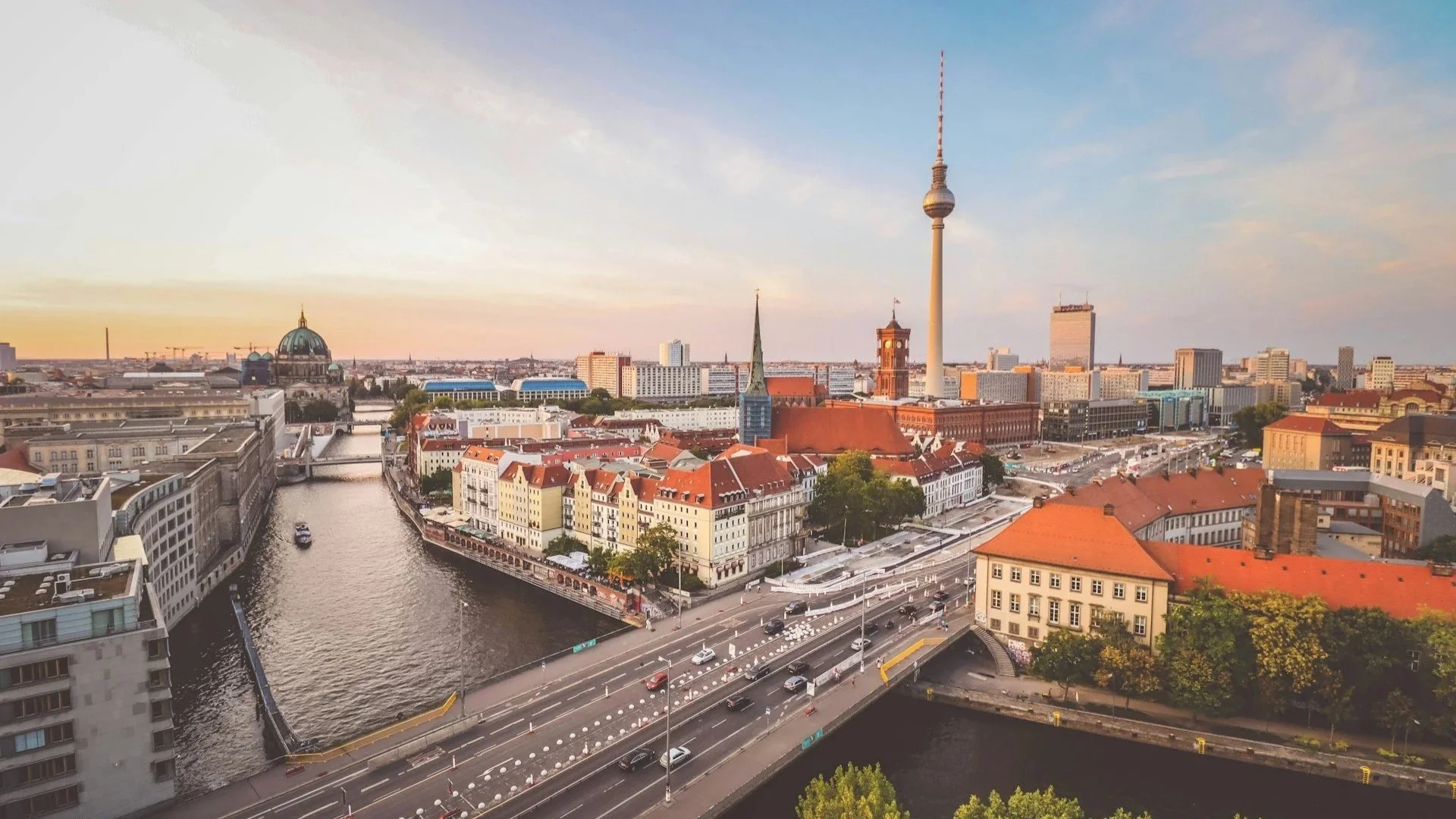
Photo by Florian Wehde
Anchor event: Berlin Art Week — 9–13 September 2026. If contemporary galleries and project spaces are your focus, plan Berlin for early September when the city hums with openings and curated programing.
History-forward experiences: The Berlin Wall Memorial on Bernauer Straße offers a visitor center, documentation exhibits and preserved sections of the former “death strip”—a powerful, accessible way to engage with Cold War history.
Tip for you: Combine gallery-hopping in Mitte and Kreuzberg with a dedicated morning at the Wall Memorial to balance experimental contemporary art and deeper historical context.
Munich — Bavarian warmth + Alps proximity
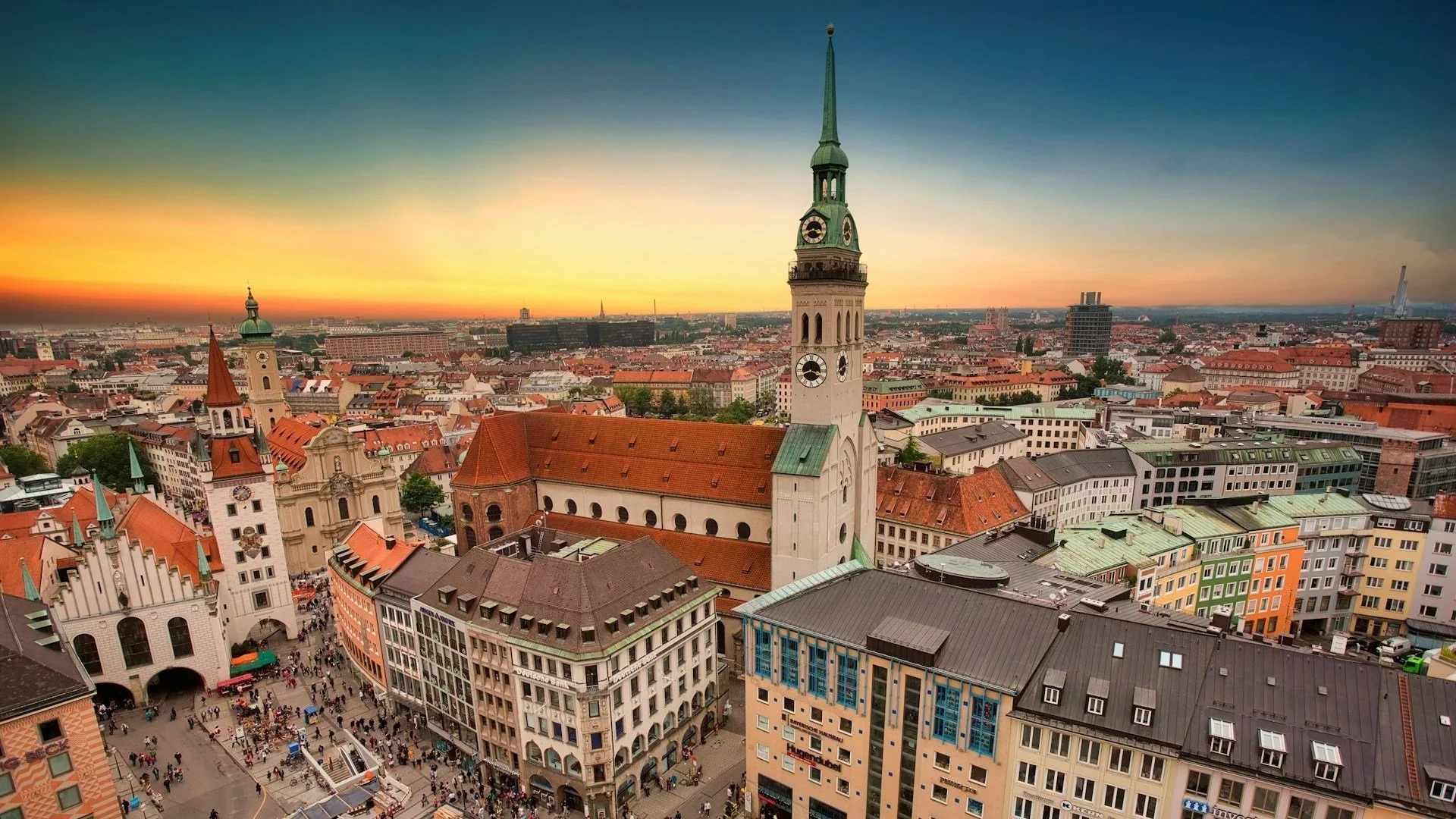
Photo by ian kelsall
High-demand window: Oktoberfest 2026 runs 19 September–4 October 2026. This single event will drive hotel prices and availability—book months in advance if you intend to attend.
Day trips: Munich’s “city + nature” positioning makes rail-and-tour day trips to the Bavarian Alps (Neuschwanstein, Zugspitze/Garmisch) effortless additions to your base in Munich.
Tip for you: If you want alpine scenery but prefer quieter hotels and lower rates, schedule your Munich stay outside the Oktoberfest window and take an easy day trip into the mountains.
Hamburg — Speicherstadt, HafenCity and an architecture summer
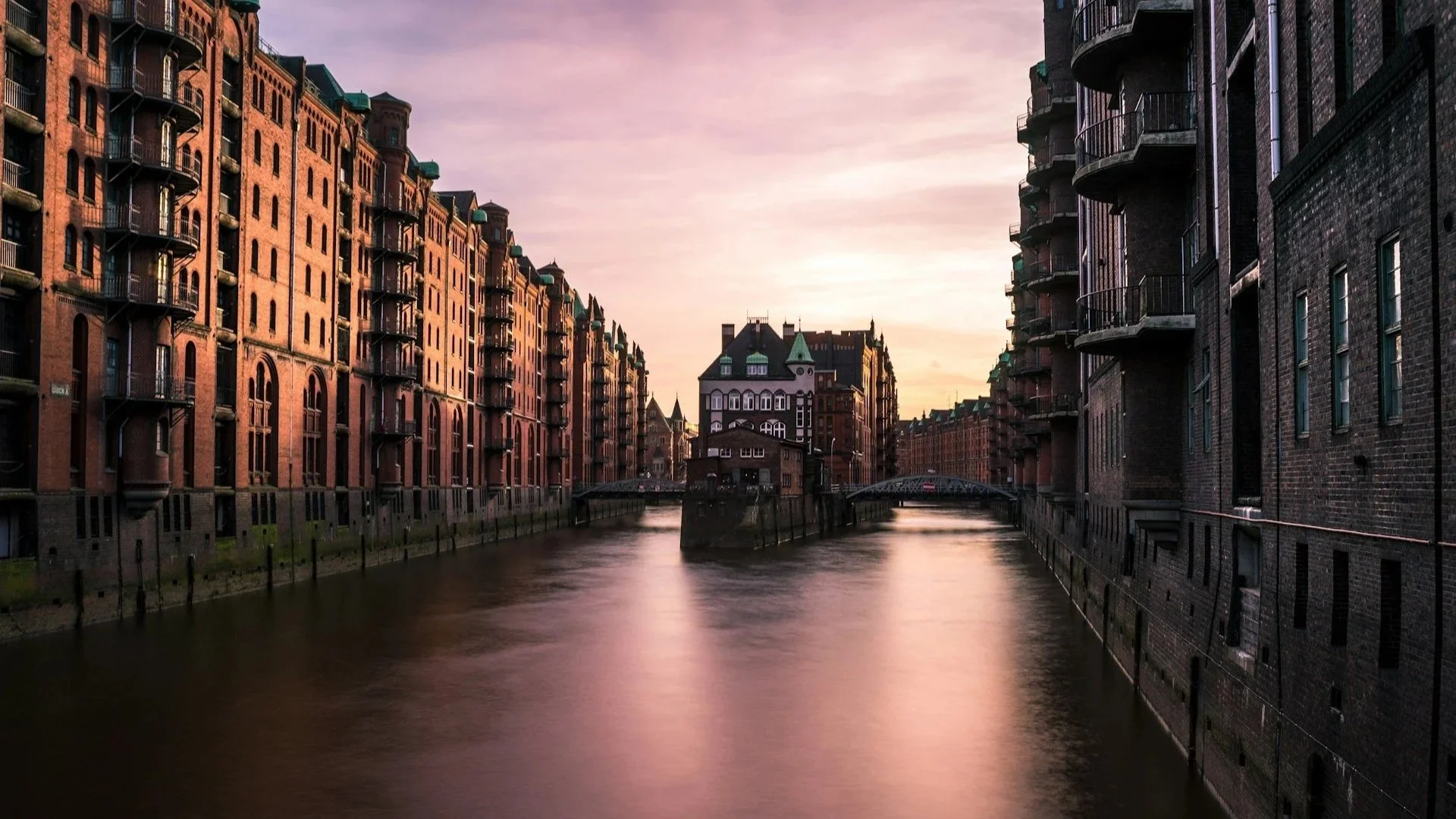
Photo by Adrian Degner
Event window: Hamburger Architektur Sommer runs May–July 2026, pairing naturally with HafenCity and the UNESCO-listed Speicherstadt warehouse district for architecture and waterfront culture lovers.
Why it works: Summer programming and warm-season activities make Hamburg a great port city stop with strong daytime walking routes and evening harbor life.
Tip for you: Time Hamburg into a northbound or north-to-south route (e.g., Hamburg → Berlin or Hamburg → Cologne) to keep travel legs efficient.
Cologne — Cathedral, culture and Carnival energy
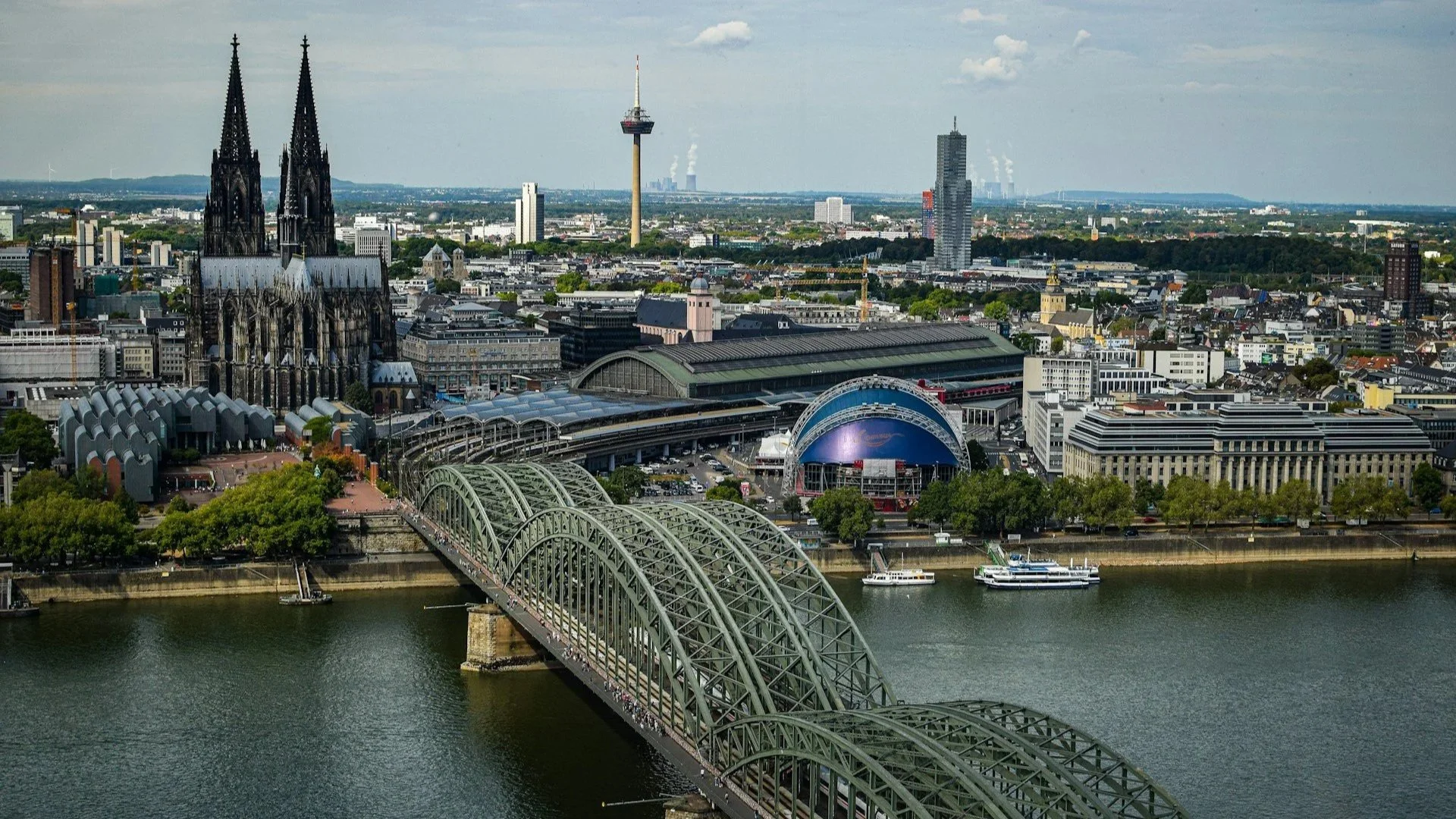
Photo by Rob Hall
Carnival anchor: Rosenmontag (Rose Monday) parade is on 16 February 2026; the main Carnival street period is commonly observed around Feb 12–18, 2026. The parade day is the must-know date for travel planning.
What to expect: Cologne’s Kölner Dom is always the anchor sight, but Carnival transforms the city into a high-energy, costume-filled celebration—expect crowds and lively streets.
Tip for you: If you love vibrant local festivals, reserve early and be ready for higher demand on transport and accommodation around mid-February.
Frankfurt — Museumsufer festival and an airport in transition
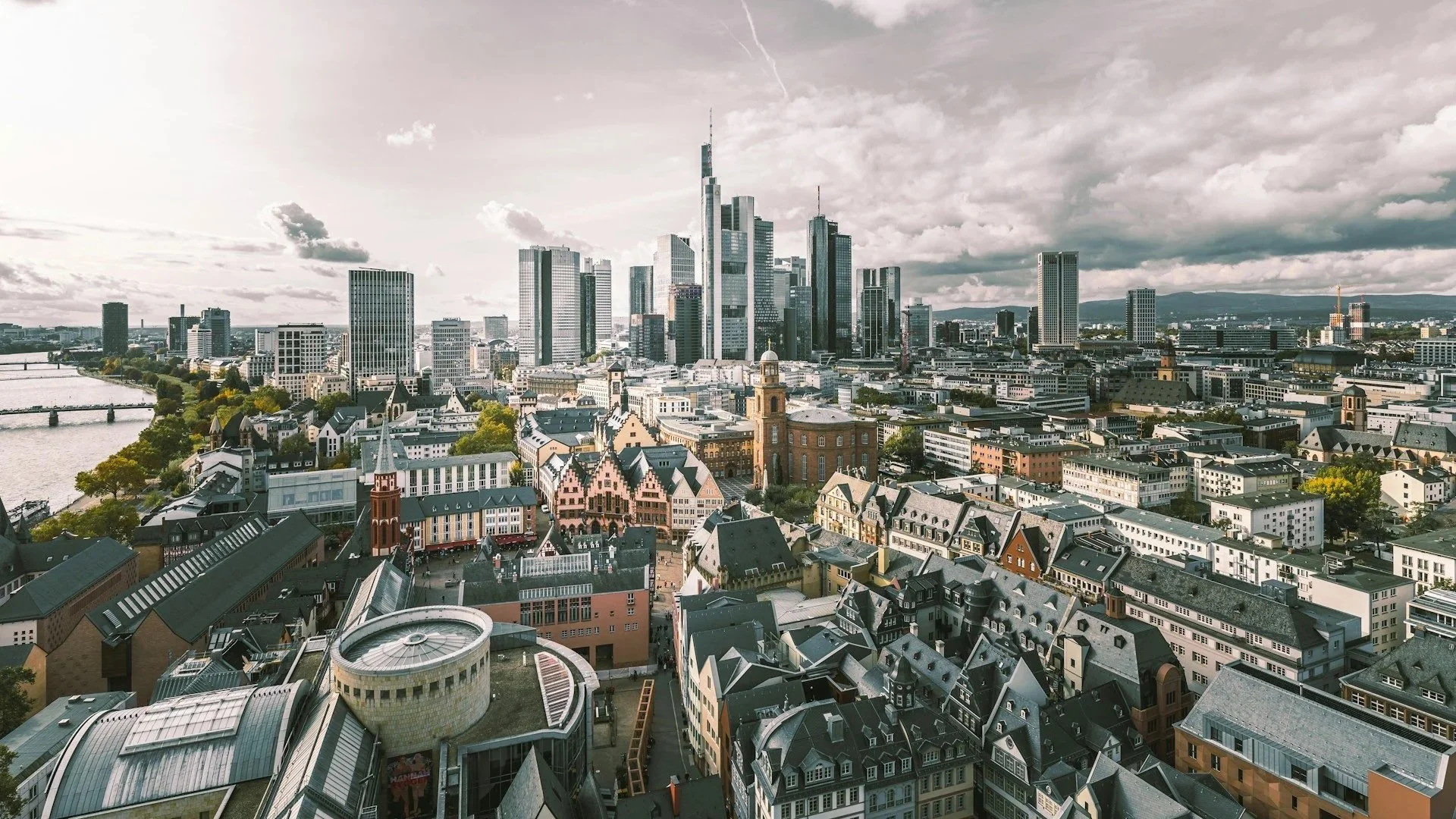
Photo by Igor Flek
Museumsuferfest (Museum Embankment Festival): 28–30 August 2026. This late-summer cultural highlight wraps the Museumsufer’s galleries and open-air programming into a packed festival weekend.
Frankfurt Airport Terminal 3: Terminal 3 opens for operations on 23 April 2026 (inspection/opening milestone listed 22 April). Expect 57 airlines to move in across four waves by early June 2026 — spring and early summer 2026 will be a transitional period for terminal assignments and wayfinding.
Tip for you: If you have tight connections through FRA in spring/early-summer, leave extra connection time and check your terminal assignments shortly before travel.
Practical planning tips for 2026 travel
Timing & bookings
Book far in advance for Oktoberfest (19 Sep–4 Oct 2026) and popular festival weekends like Museumsuferfest (28–30 Aug 2026) and Berlin Art Week (9–13 Sep 2026). Hotels and festival reservations fill quickly.
If you prefer smaller crowds and better rates, favor late spring (after Terminal 3 settles) or early summer for Hamburg and Berlin, and avoid mid-February in Cologne unless Carnival is your goal.
Airport and connection planning
Frankfurt Airport is changing in 2026: Terminal 3 goes operational 23 April 2026, with airlines relocating through early June. Confirm terminals and allow extra layover time on itineraries that route through FRA in spring/early-summer.
Entry requirements
ETIAS is expected to begin in 2026 according to multiple industry sources. If you're from a visa-exempt country, monitor the official EU rollout and verify whether you need pre-travel authorization for late-2026 departures.
Packing and neighborhood choices
Pack layers: German weather can swing between cool museum days and warm summer evenings.
Choose neighborhoods that match your travel style: Mitte/Kreuzberg in Berlin for art and nightlife; Altstadt or Ehrenfeld in Cologne for Carnival access; Altstadt/Maxvorstadt in Munich for quick alpine connections; HafenCity/Speicherstadt in Hamburg for waterfront walks; Sachsenhausen or the Museumsufer area in Frankfurt for festival proximity.
Itinerary structure suggestions
7–10 day multi-city loop example: Fly into Frankfurt (adjust for Terminal 3 logistics), train to Cologne (or start in Hamburg and head south), spend 2–3 nights in each hub, and include one full-day alpine excursion from Munich.
Use high-speed rail where possible—city-center to city-center travel is fast and scenic, and reduces airport-to-city transfers.
Final reassurance
Planning multiple German cities in one trip can feel complex, but aligning your travel dates with the 2026 festival and event calendar makes it manageable and far more rewarding. Focus on the events you most want to experience, give yourself buffer time around major airport or festival transitions, and you’ll enjoy a richer, less stressful trip.
Germany’s urban culture capitals offer a remarkable mix of experiences in 2026—whether you chase contemporary art in Berlin, Bavarian tradition in Munich, waterfront architecture in Hamburg, Carnival in Cologne, or festival energy and logistical change in Frankfurt. If sorting dates, terminals and local vibes feels overwhelming, that’s exactly why travel planning with expert help pays off. Contact Go Beyond Travel for a personalized consultation.
#GermanyTravel #ExploreBerlin #VisitMunich #Hamburg #Cologne #InboundTourism
https://www.stiftung-berliner-mauer.de/en/berlin-wall-memorial/visit/information
https://www.media-frankfurt.de/en/terminal-3-frankfurt-airport
https://www.visitfrankfurt.travel/en/experience/festival-and-events/museum-embankment-festival
https://www.museumsufer.de/en/exhibitions-events/museumsuferfest-museumsufer-festival
https://www.hamburg-travel.com/see-explore/events/events-calendar
📦 Key Takeaways
Plan around major 2026 event dates: Berlin Art Week (9–13 Sep), Museumsuferfest (28–30 Aug), Munich Oktoberfest (19 Sep–4 Oct), Hamburg Architektur Sommer (May–July), and Cologne Carnival peak (Rosenmontag 16 Feb).
Expect transitional conditions at Frankfurt Airport after Terminal 3 opens on 23 April 2026 — watch terminal assignments and connection times.
Book early for Oktoberfest and major festivals; late-summer and early-fall events drive hotel pricing and capacity.
Monitor ETIAS rollout in 2026 and verify pre-travel authorization requirements before departure.
Use city hubs plus day trips (e.g., Munich → Bavarian Alps) to add variety without changing bases too often.
