
The Language of Food: Why Untranslated Menus Preserve Culinary Heritage
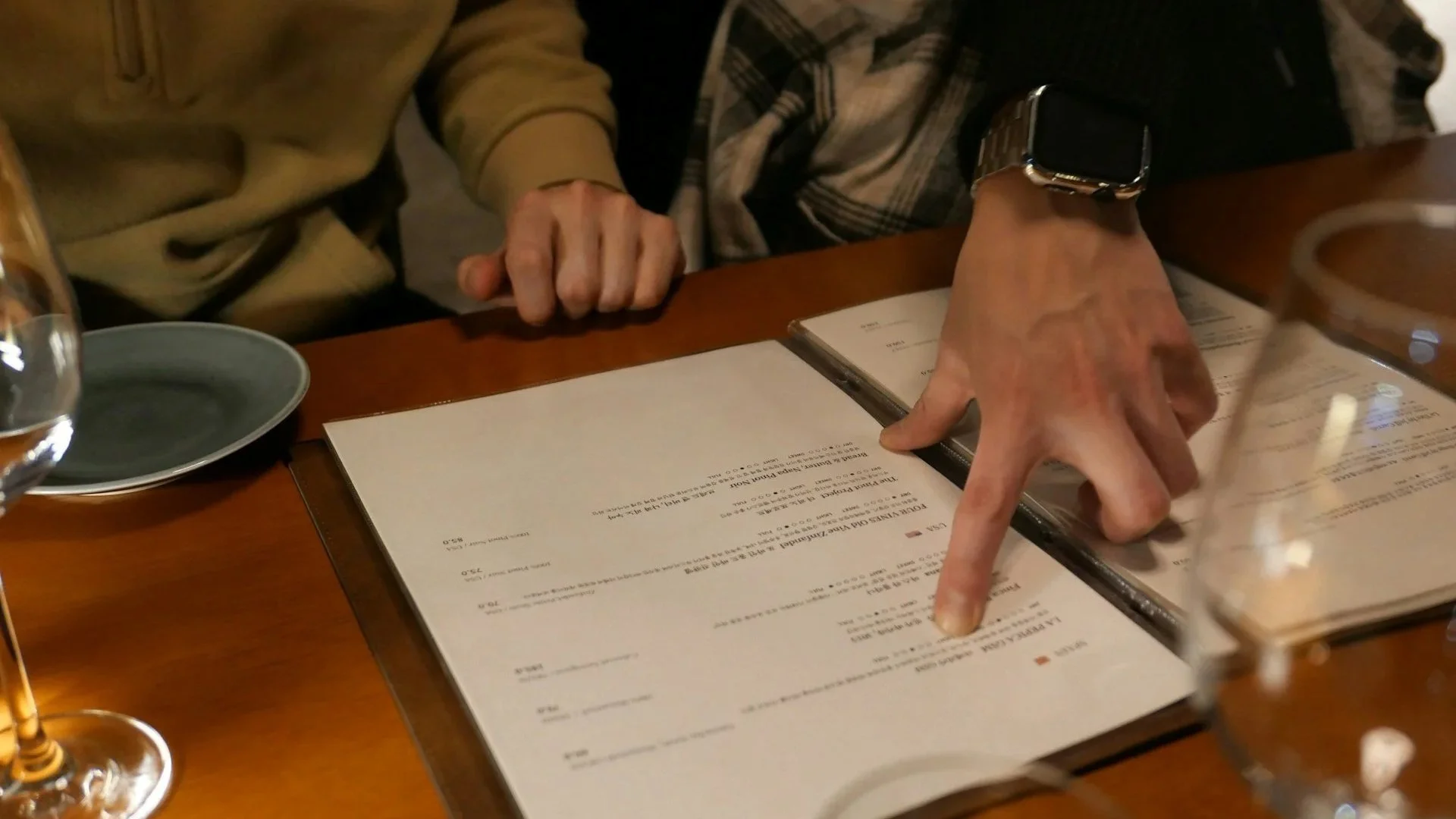
Photo by Hyoshin Choi
You’ve flipped open a menu abroad and paused at a name you don’t recognize. That pause matters. In 2026, untranslated dish names are not a barrier—they’re a signal: of place, technique, history and community. Understanding why menus keep their original words helps you eat more respectfully, travel more deeply, and protect the foodways you fall in love with.
Why some menus keep native names
🍛 Untranslated names are cultural markers
Keeping a dish’s original name—whether okonomiyaki, bouillabaisse, or rendang—does more than identify ingredients. The name signals technique, regional history and how communities eat together. A literal or catchy translation can erase those cues and reshape your expectations. For example, Japan-guide explains why translating okonomiyaki as an “as-you-like-it pancake” can mislead diners who expect a sweet Western pancake; many locals liken it more closely to a savory, customizable street-plate or even a pizza-like sharing dish.
When a menu preserves native words, it invites you to learn and to taste on local terms rather than imposing a foreign frame on the food.
🍢 Food as living heritage and global efforts to protect it
Culinary practices are increasingly understood as intangible cultural heritage—living knowledge that connects generations. UNESCO is building tools to safeguard those practices: an International Food Atlas and a digital platform are planned to be available by the end of 2026. These initiatives will document foodways in their own language and context, making the case that names and preparation methods are part of what must be preserved, not translated away.
🍨 Slow Food, biodiversity and resisting Disneyfication
Slow Food’s mission of protecting biodiversity, traditional knowledge and local food cultures naturally supports menus that keep original names and contexts. Terra Madre Salone del Gusto will be a special celebratory edition in Turin from 24–28 September 2026 marking Slow Food Italy’s 40th anniversary. This flagship event will center food policy, biodiversity and culturally rooted systems—precisely the kinds of efforts that defend culinary identity against simplification.
At the same time, mainstream travel coverage in 2026 highlights how destinations are combating overtourism and the cultural flattening often called “Disneyfication.” The BBC reported in February 2026 on the “extreme ways” countries are managing crowds—fees, restrictions and dispersal strategies—to protect neighborhoods and their living cultures. Food streets and menus are frontline sites for that struggle: when pressure from mass tourism grows, menus can be one of the first things to be standardized or translated into lowest-common-denominator terms.
How you can eat, travel and support authenticity (practical tips)
Travel planning can feel overwhelming—here are clear, practical steps to help you engage respectfully and enjoy more meaningful meals:
✔️ Learn a few words: a correct pronunciation or simple greeting goes a long way and shows respect for local culture.
✔️ Embrace untranslated names: use them as entry points to ask questions about ingredients, technique and regional history.
✔️ Ask—don’t assume: if a translation confuses you, ask the server how the dish is prepared and what it’s traditionally eaten with.
✔️ Use photos: pointing to dishes on other diners’ plates or on a restaurant’s Instagram can help when language fails.
✔️ Take a local cooking class: few things teach context like cooking with a local family or teacher (and Go Beyond Travel can arrange this for you).
✔️ Support small producers and traditional restaurants: choose places that source locally and celebrate time-honored methods over mass-produced versions.
✔️ Time your visits: if you’re interested in advocacy and learning, consider attending Terra Madre Salone del Gusto in Turin, 24–28 Sept 2026, to connect with farmers, cooks and food-policy leaders.
What travelers often get wrong—and how to avoid it
Some travelers expect menus to translate everything for instant familiarity. That expectation encourages restaurants and street vendors to simplify or rename dishes to suit tourists, which erodes culinary nuance. Instead:

Photo by Jessie McCall
❗Resist the urge to compare everything to a Western analogue ("like a pancake"). Let the dish be itself.
❗Remember that a translated name can be shorthand, not a full description. If you want the full story, ask.
❗See untranslated menus as an invitation to learn rather than a barrier—your curiosity helps keep those names alive.
Why this matters beyond the plate 🍽️
Preserving native food names and contexts supports biodiversity, community identity and livelihoods. When you choose meals and experiences that honor local language and technique, you are voting with your travel dollars for a world that values diversity over homogenization. The combined work of organizations like Slow Food and UNESCO—amplified by events in 2026—aims to protect that diversity for future generations.
Food names are more than words—they’re living stories. By honoring untranslated menus and learning the local terms, you help keep those stories whole. If you want to dive deeper—learn a dish in its original context, join a hands-on cooking class, or time a trip to Terra Madre Salone del Gusto in Turin (24–28 Sept 2026)—we can craft an itinerary that centers culinary heritage. Contact Go Beyond Travel for a personalized consultation to build a trip that celebrates real foodways and protects the places you’ll fall in love with.
#CulinaryHeritage #CultureTravel #SlowFood #FoodHistory #AotearoaToAthens
📦 Key Takeaways
Untranslated dish names act as cultural markers that convey origin, technique and social context—translations can mislead expectations.
Food increasingly is treated as living, intangible heritage; UNESCO’s International Food Atlas (coming by end of 2026) will strengthen documentation and preservation.
Slow Food’s mission aligns with keeping names and culinary contexts intact; Terra Madre Salone del Gusto (Turin, 24–28 Sept 2026) is a major moment to support culturally rooted food systems.
‘Disneyfication’—the flattening and standardization of culture under mass tourism—often shows up first in simplified, translated menus and food stalls.
You can be a part of preservation through curiosity: ask questions, take local cooking classes, support small producers, and favor menus that keep original names.
