
From Spires to Seas: The Essential 2026 North-to-South Vietnam Itinerary

Original photo by Rowan Heuvel
Picture yourself trading Hanoi’s centuries-old spires for limestone karsts, lantern-lit alleys, and sun-drenched islands — all in a single, well-paced trip. If planning feels overwhelming, this practical north-to-south route for 2026 maps the most efficient flow (and the best windows to travel) so you can focus on experiences, not logistics.
Why a North-to-South Route Works in 2026
Vietnam is long and wonderfully varied. Starting in Hanoi and moving south keeps travel time efficient, reduces internal backtracking, and lets you ride the most favorable seasonal windows for each region. This classic flow also makes it easy to add an island extension on Phu Quoc at the end of your trip.
Suggested Pacing & Highlights (sample itinerary)
1) Hanoi — 3–4 days
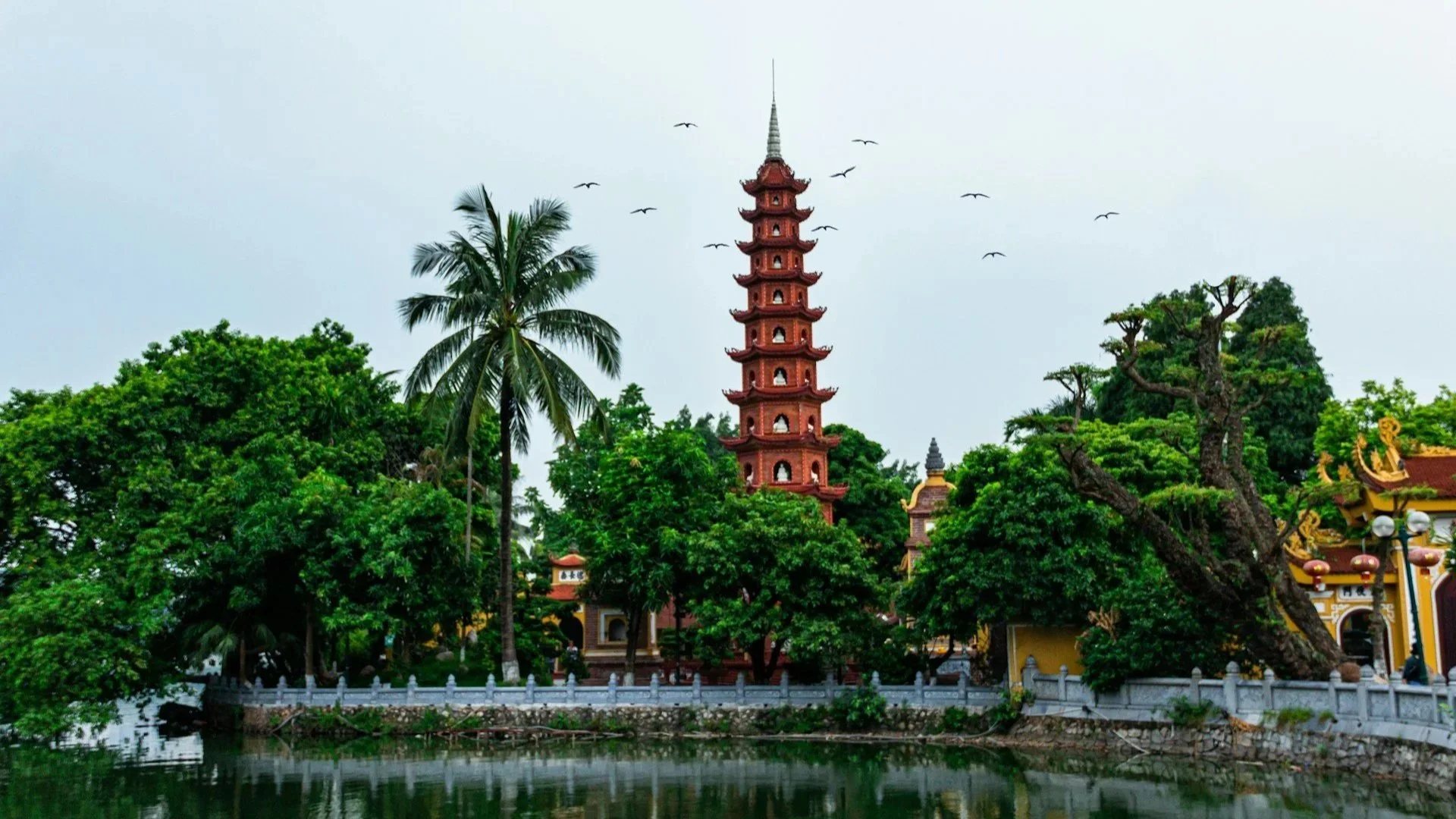
Photo by BehindTheTmuna
Highlights: Old Quarter, Hoan Kiem Lake, Thang Long Imperial Citadel, street food and coffee culture.
Timing tip: Visit Oct–Apr for cooler, drier weather. If traveling around Tet, note the “Happy Tet 2026” programming at Thang Long Imperial Citadel (Feb 6–10, 2026) — great cultural immersion but expect crowds and early sell-outs.
2) Ha Long Bay or Lan Ha Bay — 2–3 days
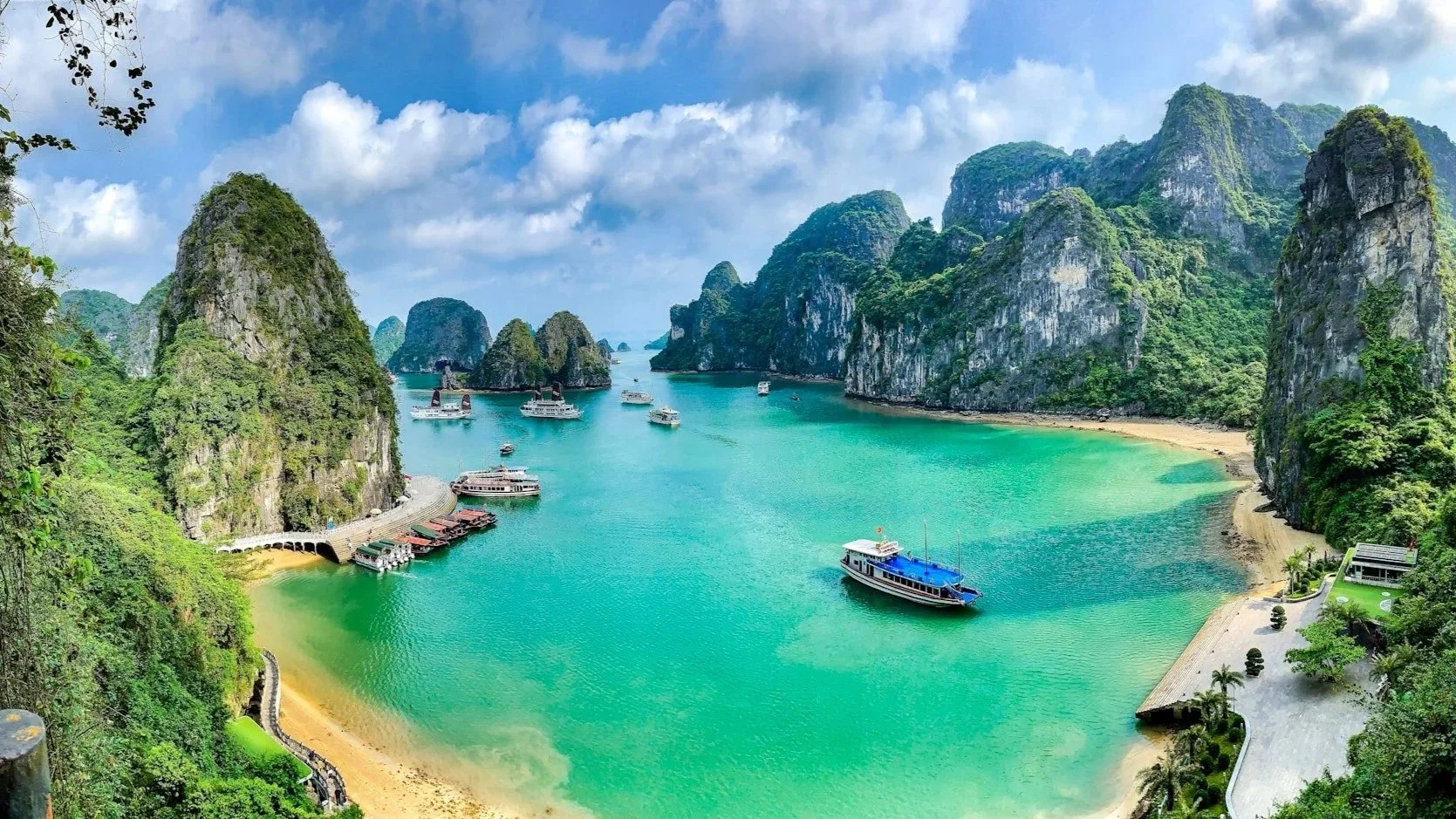
Photo by Marina Lobato
Highlights: Limestone karsts, kayaking, caves, floating villages.
Why choose Lan Ha: marketed as the quieter alternative to Ha Long Bay with more nature-forward experiences and proximity to Cat Ba Island.
Practical: Look for smaller-boat itineraries and operators advertising eco-certification and clear waste-reduction policies — inspections and sustainability messaging are stronger in 2026.
3) Hoi An (via Da Nang) — 3–4 days
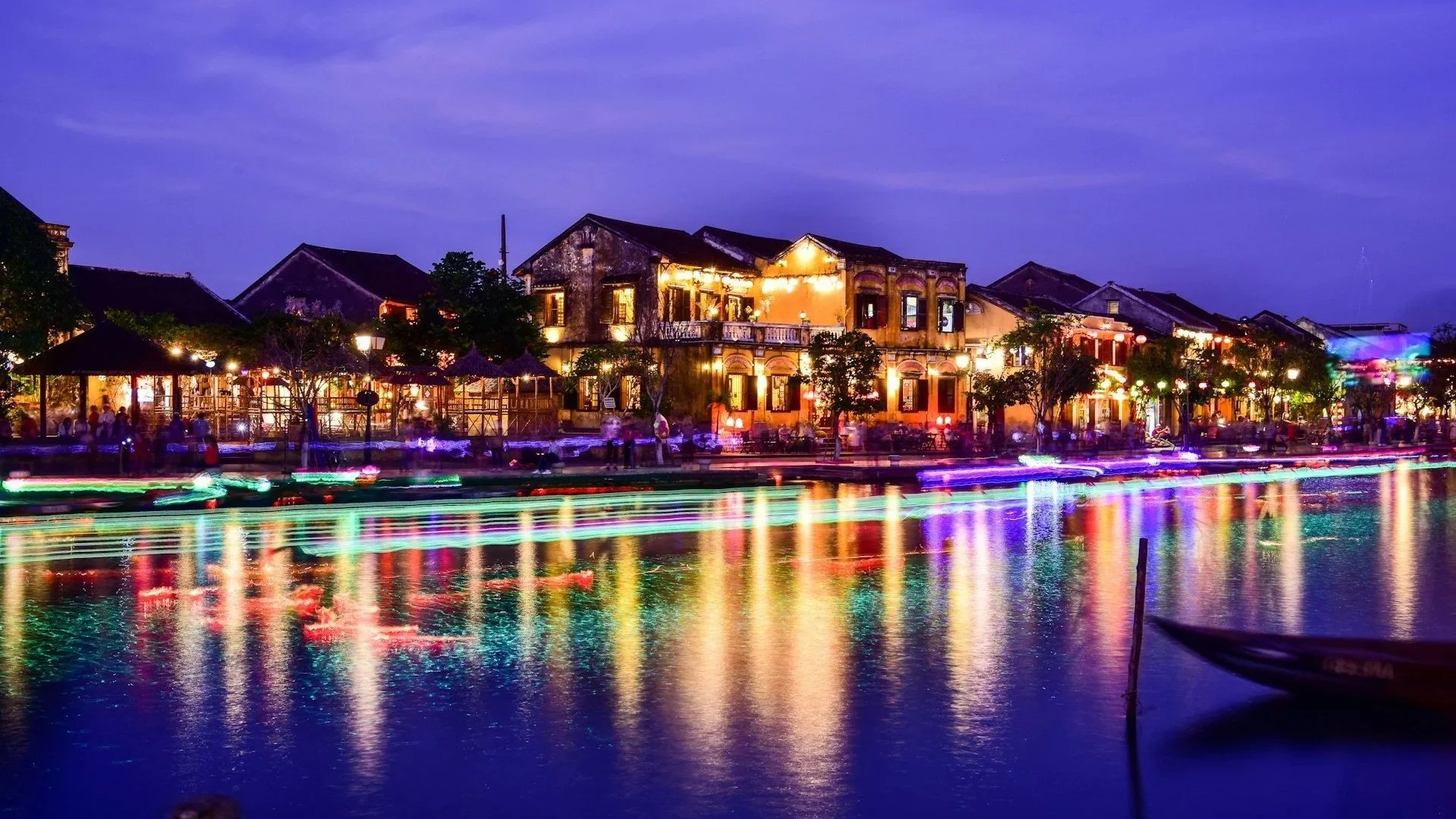
Photo by Patrick Pellegrini
Highlights: UNESCO-listed Old Town, tailor shops, riverside lanterns, nearby beaches and countryside cycling.
Timing tip: Best Feb–Aug; be cautious Sep–Nov because of typhoon season.
Lantern nights: Hoi An’s Full-Moon Lantern Festival occurs monthly (around the 14th lunar day). Projected Gregorian dates vary by publisher, so reconfirm locally close to your trip.
4) Ho Chi Minh City — 2–3 days
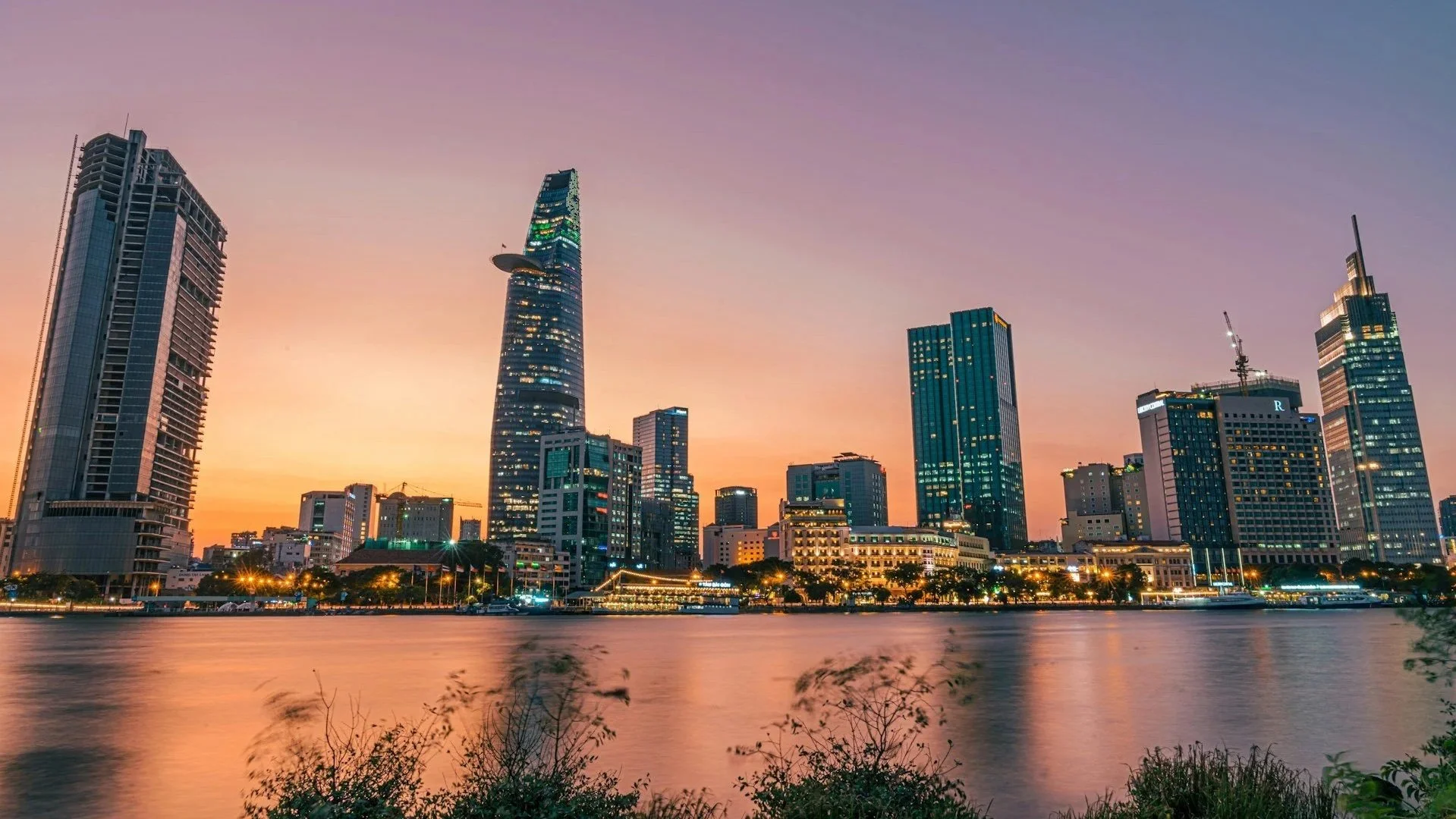
Photo by Tron Le
Highlights: War Remnants Museum, vibrant street food, Nguyen Hue Flower Street during Tet, bustling urban energy.
Event note: Ho Chi Minh City’s 2026 Culture & Tourism Festival opens Feb 27, 2026 — a festive atmosphere if your schedule matches.
Weather: Best in the dry season (Dec–Apr/May).
5) Mekong Delta — 1–2 nights (or a day trip)
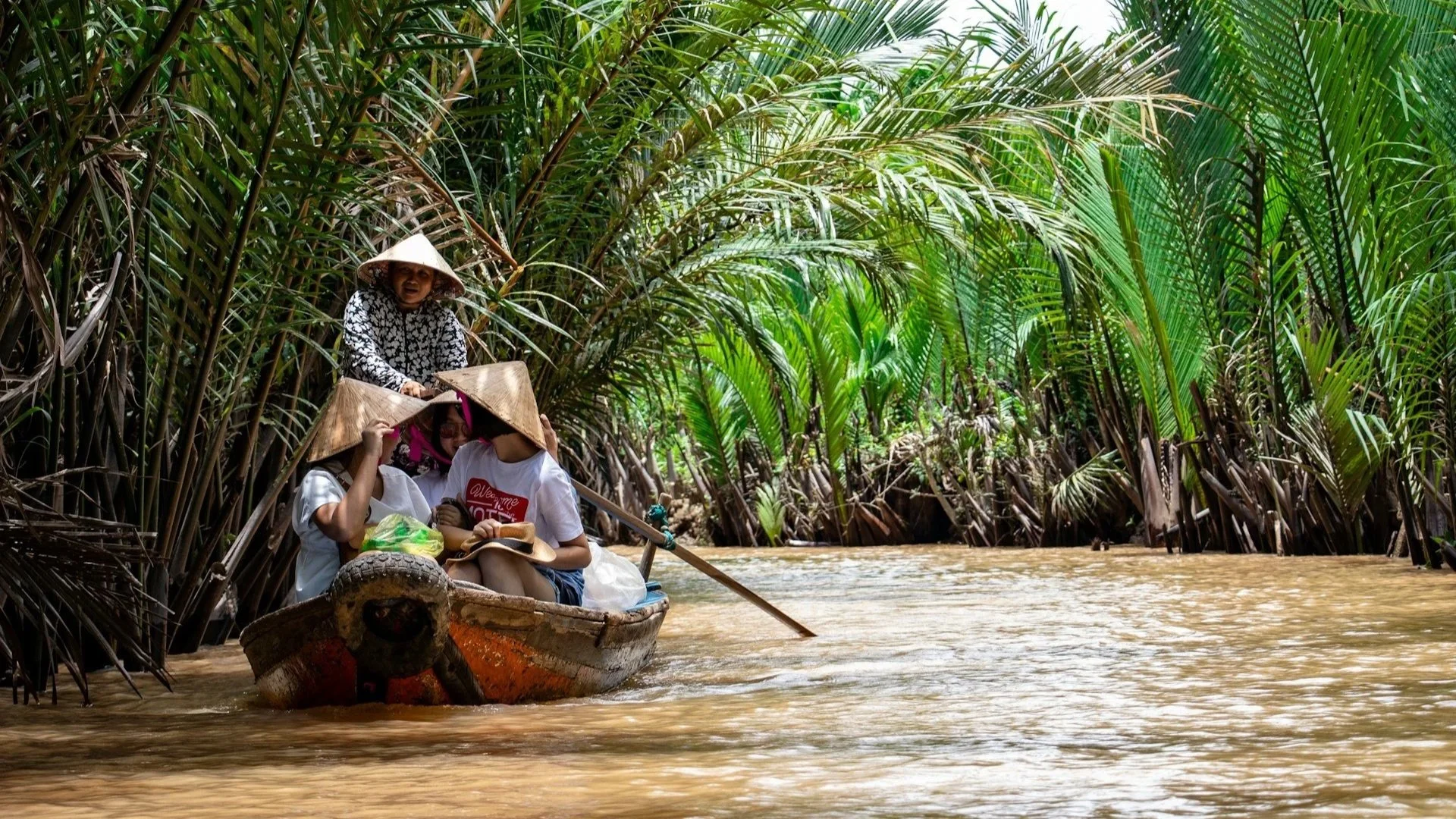
Photo by Tomáš Malík
Highlights: Floating markets, riverside villages, home-cooked meals and boat canals. Combine an overnight stay to slow the pace and deepen connections.
Add-on: Phu Quoc — 3–5 days (optional beach extension)

Photo by Vivu Vietnam
Why go: A relaxed island finish with growing luxury and boutique lodging options — note notable 2026 openings and momentum among top resorts.
Travel tip: Fly from Ho Chi Minh City to Phu Quoc for the quickest connection.
Practical Planning Tips ✅
Book early for Tet (Feb 17, 2026). Domestic travel spikes, hotels fill fast, and some smaller businesses close for the holiday week.
For Hoi An’s lantern nights, don’t assume the Gregorian date — confirm with your hotel or a local calendar near your travel dates.
Inter-city travel: Domestic flights (Hanoi↔Da Nang↔Ho Chi Minh City) save time; road/rail options are scenic but slower. Ha Long/Lan Ha is a 2–4 hour transfer from Hanoi depending on traffic and your vessel’s departure port.
Cruise selection: Since 2025–2026 brought tighter inspections and sustainability expectations, choose operators that clearly publish their waste-management policies, plastic-reduction efforts, and any eco-certifications.
Weather & When to Go ⛅
North (Hanoi/Ha Long/Lan Ha): Oct–Apr best.
Central (Hoi An/Da Nang): Feb–Aug best; beware Sep–Nov typhoon risk.
South (Ho Chi Minh City/Mekong/Phu Quoc): Dry season roughly Dec–Apr/May — ideal for city, delta and island combos.
Packing & Comfort Tips 🧳
Lightweight layers for central and southern heat; a light jacket for Hanoi in winter months.
Rain gear if you travel central Vietnam Sep–Nov or northern summer months.
Comfortable walking shoes for Hoi An’s alleys and Hanoi’s streets; reef-safe sunscreen for Phu Quoc.
Timeline-sensitive 2026 Dates to Note 🗓️
Tet (Lunar New Year): Feb 17, 2026 — nationwide demand surge and partial closures.
Hanoi “Happy Tet 2026”: Feb 6–10, 2026 — cultural displays at Thang Long Imperial Citadel.
Ho Chi Minh City Culture & Tourism Festival: opens Feb 27, 2026.
Mid-Autumn Festival (Tết Trung Thu) 2026: Sept 25, 2026 — photogenic nationwide celebrations.
Final booking checklist
✅ Secure internal flights and any Ha Long/Lan Ha cruise cabins early (especially if traveling around festivals or Tet).
✅ Ask cruise operators about sustainability practices and certification.
✅ Confirm Hoi An lantern dates with accommodation before booking special activities.
If you want a day-by-day itinerary tailored to your pace, preferred travel style, and dates, we’ll design it around the best weather windows and festival opportunities so you get memories, not hassles.
Vietnam in 2026 rewards thoughtful timing: plan north-to-south to make the most of regional weather windows, watch the Tet calendar, and prioritize eco-conscious cruise operators in Ha Long/Lan Ha. Whether you crave lantern-lit nights in Hoi An, karst-clad waters, or a relaxing island finale on Phu Quoc, you don’t have to navigate the details alone. Contact Go Beyond Travel for a personalized consultation to design your cross-country Vietnam journey.
#VietnamTravel #HaLongBay #Hanoi #HoiAn #ExploreVietnam #VisitVietnam
📦 Key Takeaways
Route: Use a North-to-South path (Hanoi to HCMC) to avoid backtracking and maximize time.
Lan Ha Bay: Choose this quieter, eco-friendly alternative to Ha Long Bay for fewer crowds.
Weather: North (Oct–Apr), Central (Feb–Aug), and South (Dec–May) offer the best conditions.
Tet 2026: Plan around Feb 17 to avoid holiday closures and high booking demand.
Hoi An: Schedule your visit during the Full-Moon Lantern Festival for the best atmosphere.
Sustainability: Prioritize cruise operators with 2025+ safety and waste-management certifications.
