
The Longest Country on Earth: 5 Essential Regions in Chile
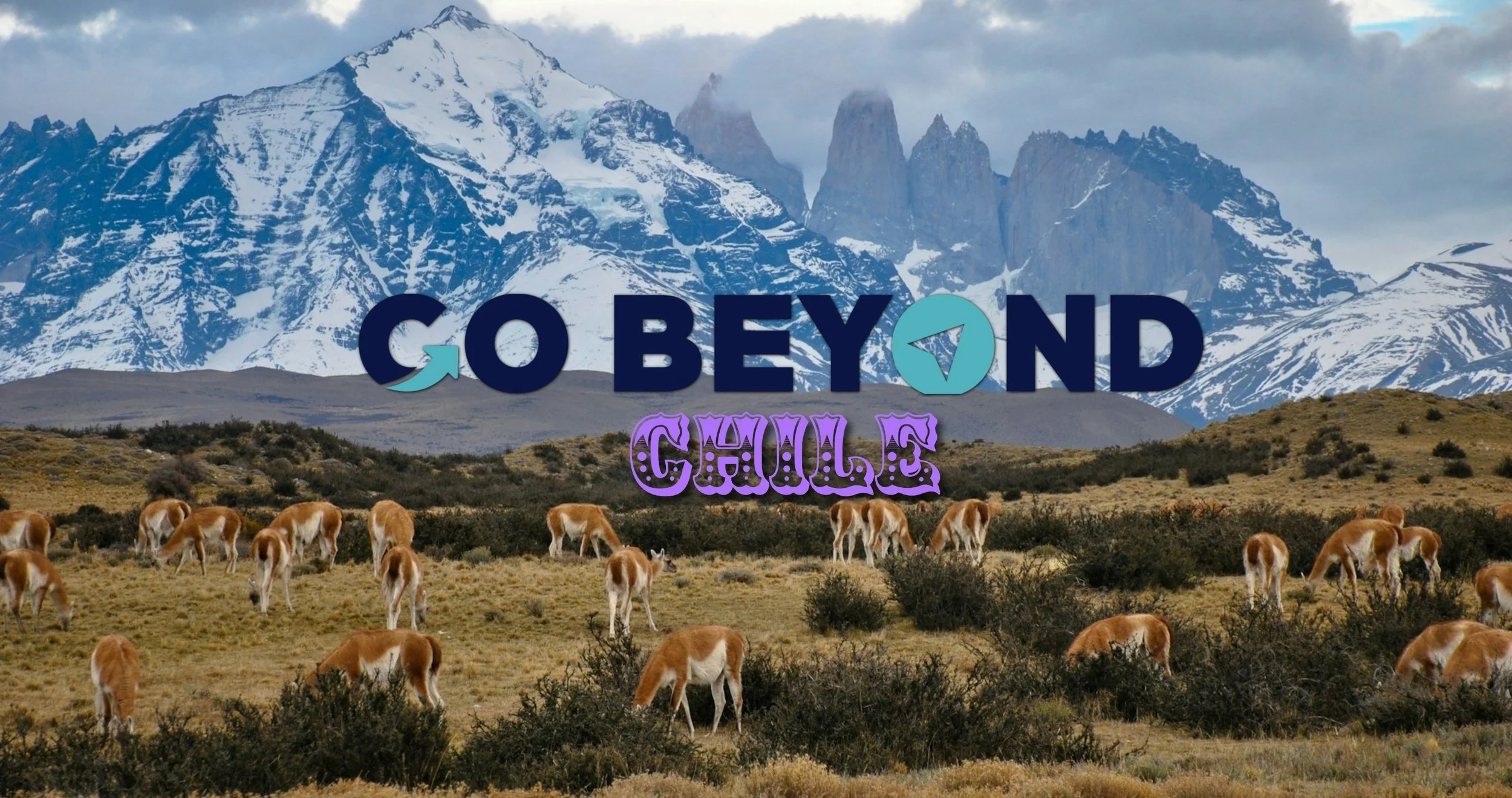
Original photo by Olga Stalska
Chile stretches more than 2,600 miles from the driest desert to windswept ice fields — and that dramatic vertical geography means you can chase sun, snow, volcanoes and starfields in a single trip. If you’re planning Chile for 2026, this guide helps you cut through the overwhelm: where to go, when to book, and the practical rules that will make your journey run smoothly.
Why “Vertical Geography” matters for your 2026 trip
Chile’s marketing of “one trip — many climates” is no marketing fiction. In 2026 you can start under a high-altitude desert sky, spend a few nights in a coastal capital, and finish with the glaciers of Patagonia — but smart timing and bookings are essential. Below are five essential regions, the 2026 specifics you need to know, and actionable planning tips.
1) Atacama Desert — the world’s stargazing playground
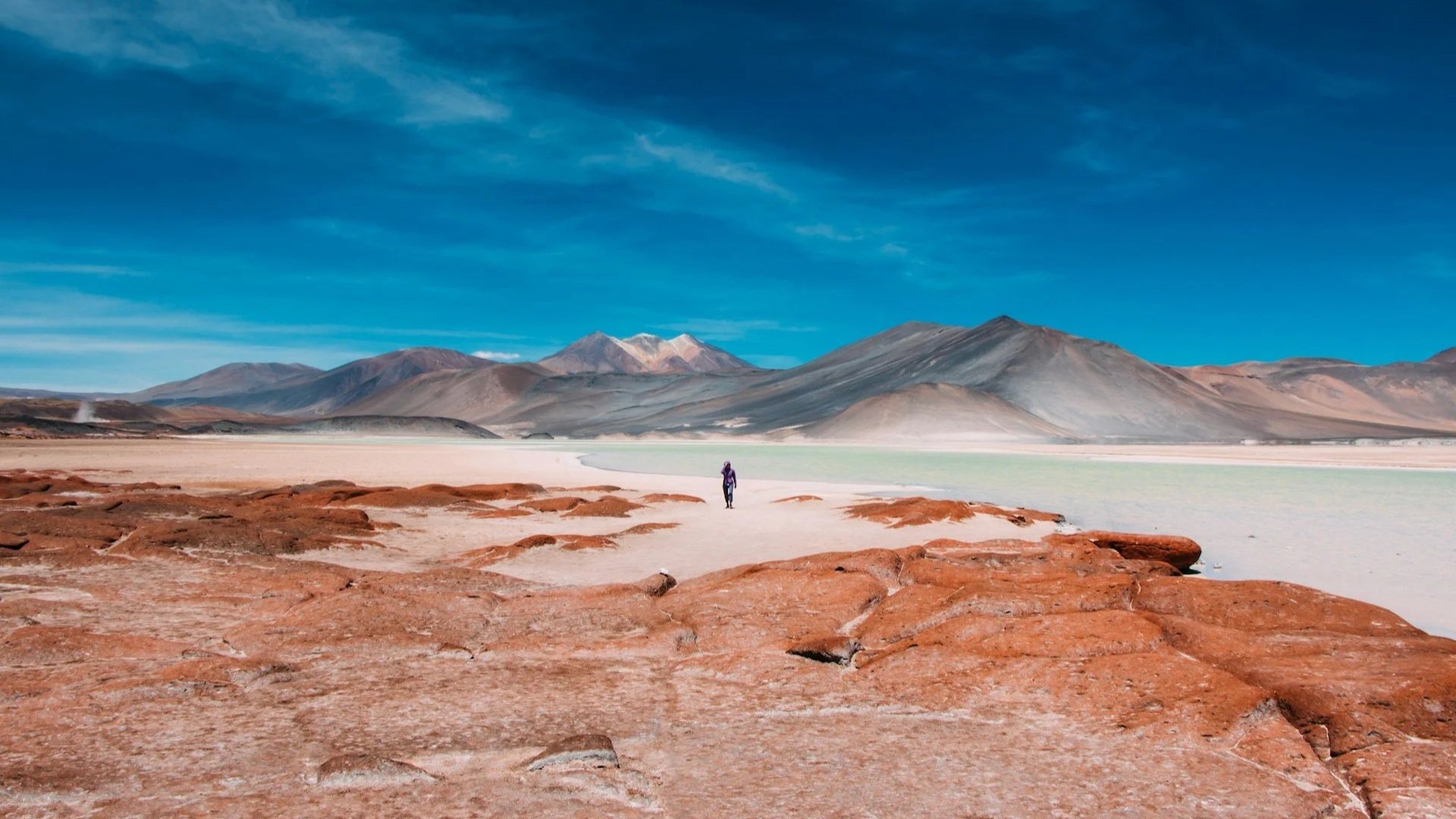
Photo by Diego Jimenez
Why go: High altitude, extremely low humidity and near-zero light pollution create unparalleled night skies (tourism sources commonly cite ~320 clear nights/year).
2026 timing: Best window widely promoted for astronomy experiences is April–October 2026. The Perseids peak Aug 12–13, 2026, and this year’s peak aligns with a dark new‑moon window — an excellent opportunity for astrophotography and guided stargazing.
Book stargazing and overnight observatory experiences in advance (small-group products sell out, especially around meteor showers).
Plan internal flights: Atacama (Calama airport) is a common hub; include buffer time for flight delays when chaining regions.
2) Santiago & Valparaíso — culture, coastal charm and festival beats
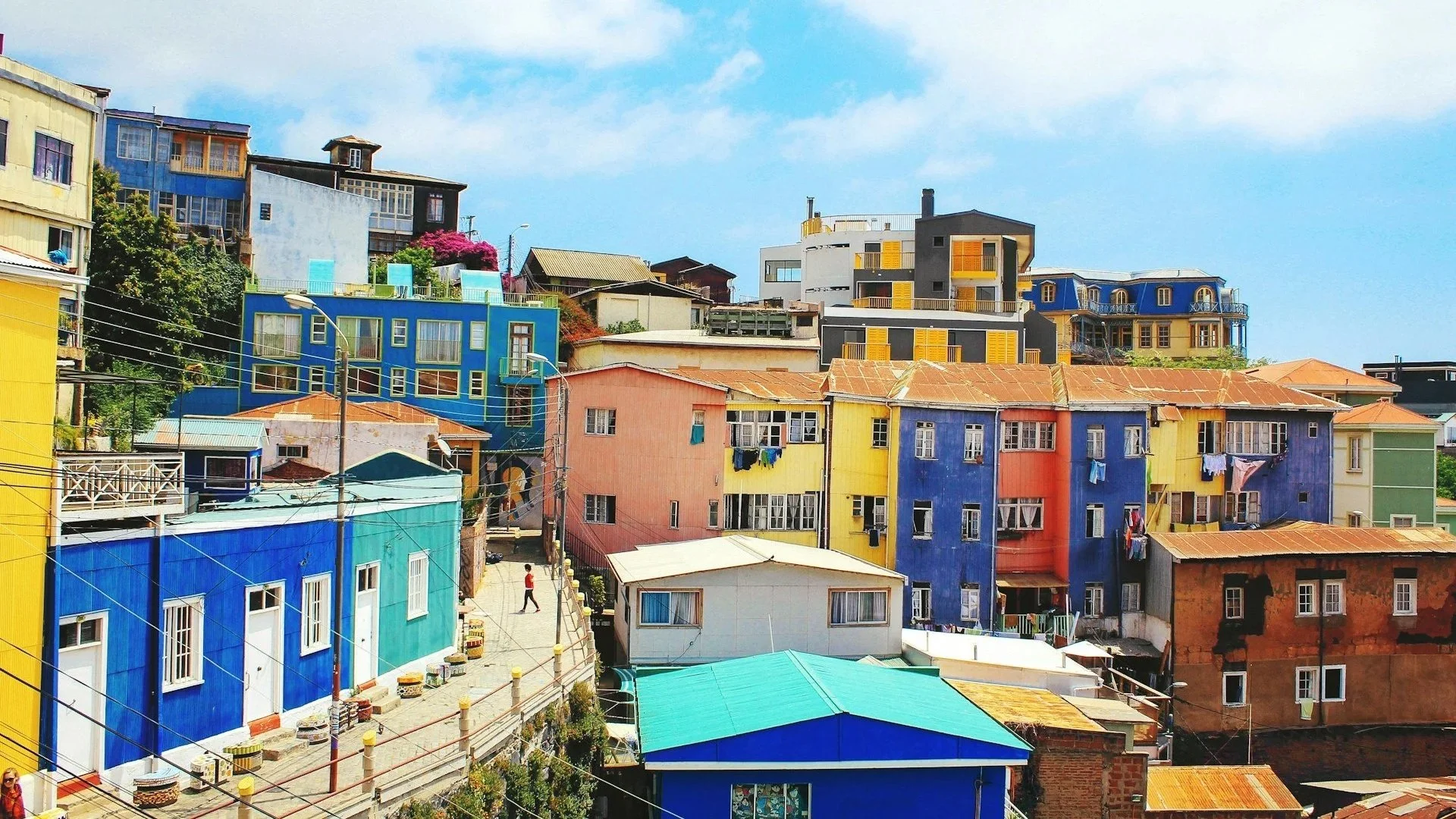
Photo by Loïc Mermilliod
Why go: Santiago is your international gateway and pairs naturally with Valparaíso’s colorful hills and street art.
2026 event flags:
Lollapalooza Chile — March 13–15, 2026 (Santiago). Expect major demand for hotels and fares that week.
Chilean public holidays shape crowd patterns (see planning tips below).
If you’re attending events, lock in lodging early. If you want to avoid crowds and inflated prices, avoid traveling during the festival or shift your Santiago nights to before/after the event.
3) Lake District (Pucón, Villarrica) — volcanoes, lakes and adventure
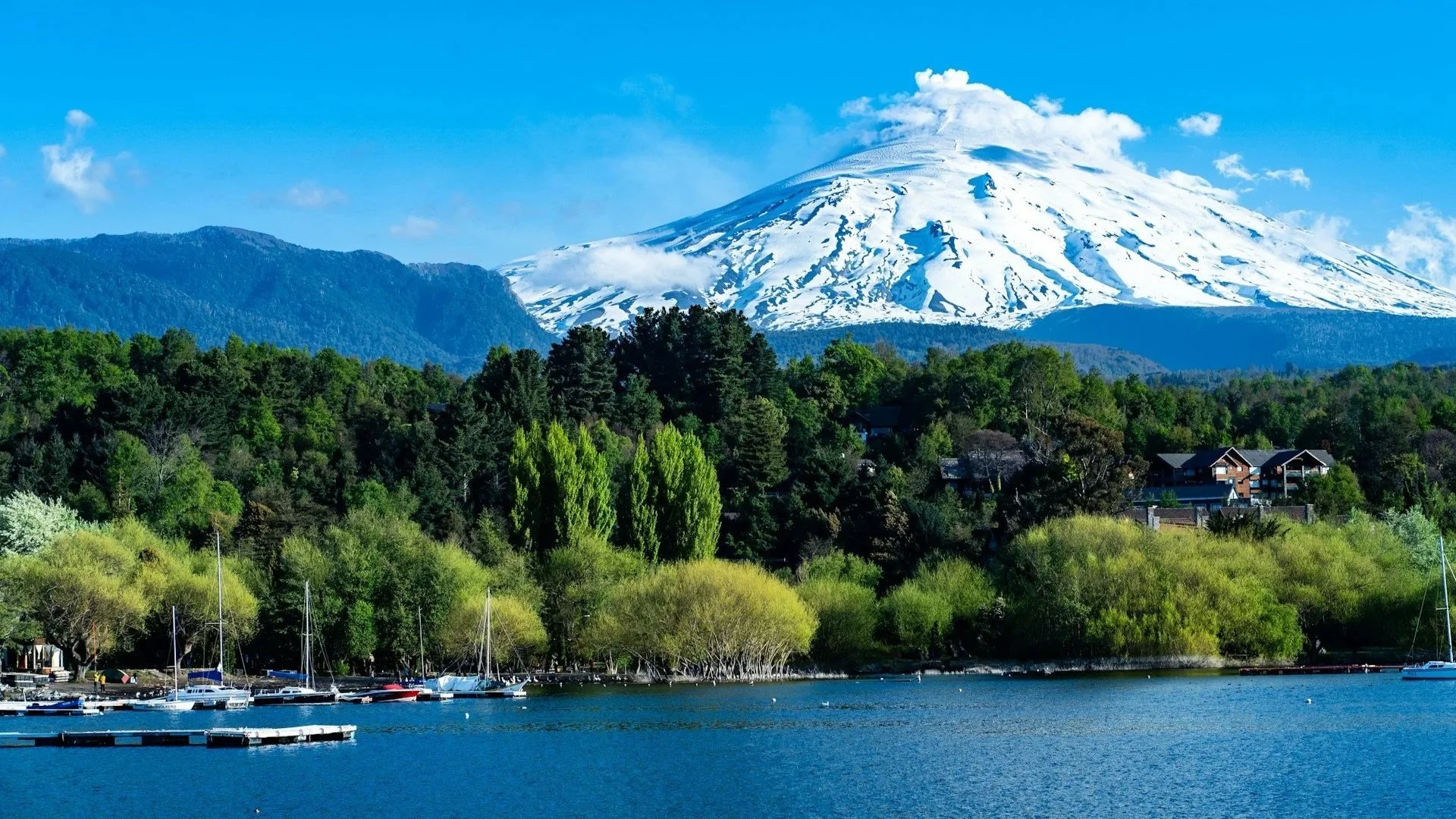
Photo by Ricardo Díaz
Why go: Forested lakes, volcano-backed towns and year-round outdoor activities (kayaking, hiking, hot springs).
Always check current volcanic alert levels before booking or attempting summit climbs. Official tourism guidance emphasizes that summit attempts require certified guides and can be restricted with changing activity.
Purchase guided climbs through reputable operators and verify guide certification.
Pack layers and expect variable mountain weather even in summer.
4) Chiloé & the Lakes — unique culture and UNESCO heritage
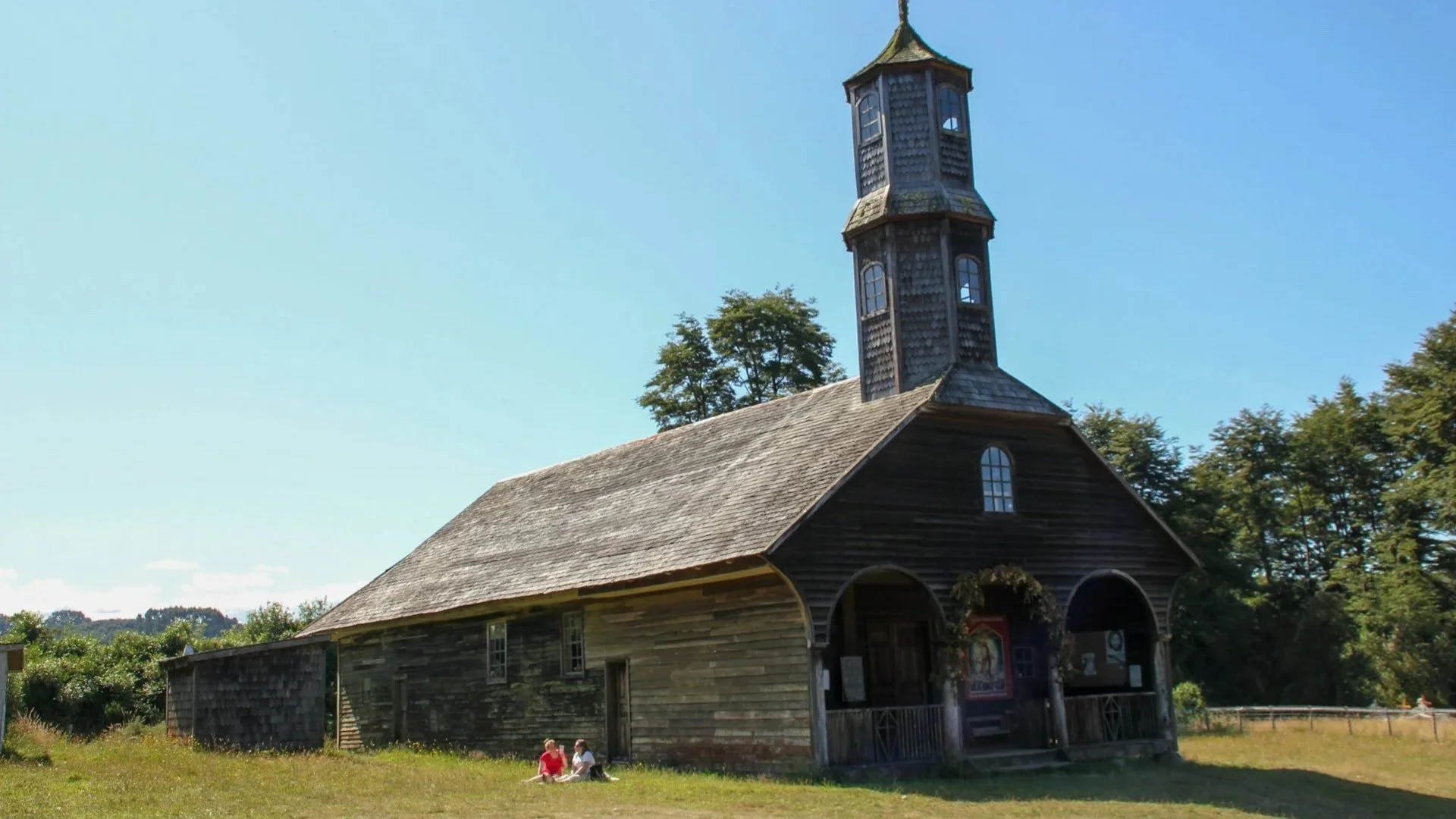
Photo by Jaume Galofré
Why go: Wooden churches, distinct island culture and foggy, emerald landscapes. The Churches of Chiloé are UNESCO-listed and offer cultural contrast to mainland routes.
Include ferry time in your schedule and allow flexible days for weather-related ferry delays.
5) Patagonia & Torres del Paine — plan like a local for the big-ticket experience
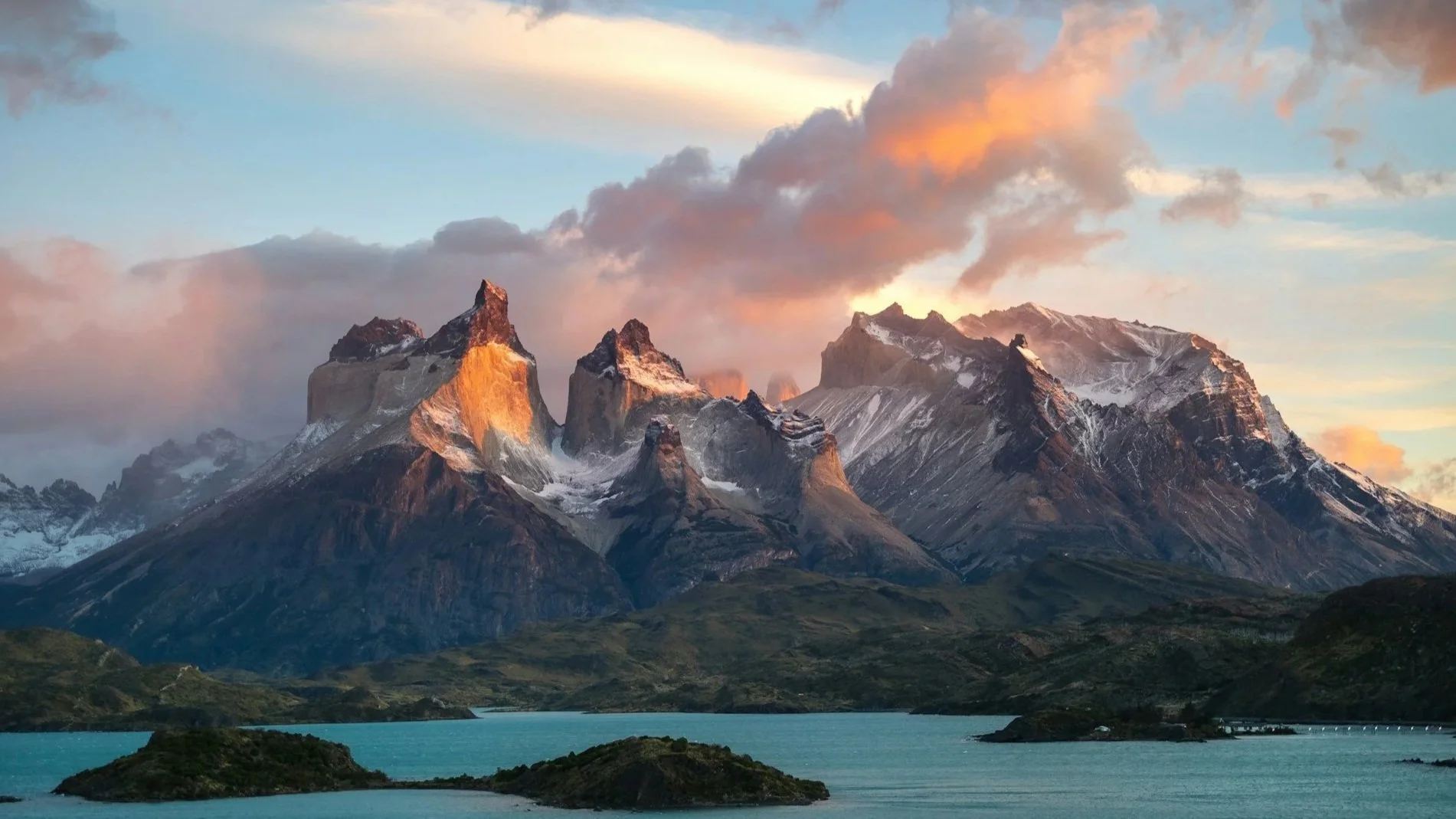
Photo by Marek Piwnicki
Why go: Glaciers, jagged peaks and the iconic W or O treks are Patagonia’s calling card.
Trekking season is strongest Nov–Mar (southern spring/summer).
For the 2026–2027 season, a common planning rule is that W / O reservations typically open April–June — and availability drops quickly after they release.
Park access guidance: confirmed bookings at authorized refugios and campsites are required for the W/O circuits. Turn-up-without-bookings is increasingly risky given capacity limits and staged release calendars.
If Patagonia is non-negotiable, prioritize campsite/refugio bookings first, then flights and mainland accommodation.
Be prepared for variable weather and pack for wind, rain and sudden temperature swings.
Planning calendar & money-saving timing (2026-focused)
Watch Chile’s 2026 holiday placements — domestic “fin de semana largo” long weekends drive local travel and push prices up in popular regions:
Good Friday: Apr 3, 2026
Labor Day: May 1, 2026 (Friday)
Fiestas Patrias:Sep 18 (Fri) & Sep 19 (Sat), 2026 — Chile’s largest domestic travel period (expect sold-out transport and higher prices).
Day of the Two Worlds: Oct 12, 2026 (Monday)
Avoid or lean into event weeks depending on your priorities (e.g., Lollapalooza March 13–15, 2026): if you want cheaper fares and quieter hotels, plan to avoid these dates.
Book high-demand components early: Torres del Paine reservations when they open (April–June for 2026–27), Atacama stargazing packages, festival-week lodging in Santiago.
Quick booking checklist for 2026 travel
✅ Reserve Torres del Paine refugios/campsites as soon as reservations open (April–June for 2026–27 season).
✅ Book Atacama stargazing tours and any specialized astrophotography products early, especially around Aug 12–13, 2026 (Perseids).
✅ Lock in flights and Santiago lodging around Lollapalooza (Mar 13–15, 2026) if you’ll be in town.
✅ Avoid travel during Fiestas Patrias (Sep 18–19) or expect higher costs and crowded transport.
✅ Verify volcano alert and summit rules for Pucón/Villarrica close to departure and hire certified guides.
✅ Check entry requirements with official sources before you fly and keep your Tourist Card safe.
Chile’s vertical geography is the dream of many travelers — but making that dream real in 2026 requires timing, patience and a few non-negotiable reservations. If you want help turning these must-see regions into a practical itinerary that matches your pace, budget and travel windows, our team at Go Beyond Travel can map it out for you. Ready to explore the edge of the world? Contact Go Beyond Travel for a personalized consultation.
#ChileTravel #Patagonia #AtacamaDesert #VisitChile #TorresDelPaine #Santiago
📦 Key Takeaways
Chile is best experienced as a vertical itinerary — combine Atacama + Santiago/Valparaíso + Lake District + Patagonia for maximum variety.
Atacama is a global astrotourism hub — aim for April–October 2026; Perseids peak Aug 12–13, 2026 (new moon = excellent viewing).
Torres del Paine treks (W/O) require confirmed campsite/refugio reservations; 2026–27 season bookings typically open April–June and sell out fast.
Domestic long weekends and major events (Lollapalooza Mar 13–15, 2026; Fiestas Patrias Sep 18–19, 2026) drive up prices and demand — plan around them.
Lake District volcano activity rules can change quickly: always check current alert status and hire certified guides for summit climbs.
U.S. citizens generally enter Chile visa-free for tourism up to 90 days but must keep the Tourist Card; re-check official sources before travel.
