
A Taste of the Andes: 2026 Guide to Traditional Chilean Dishes, Markets & Wine
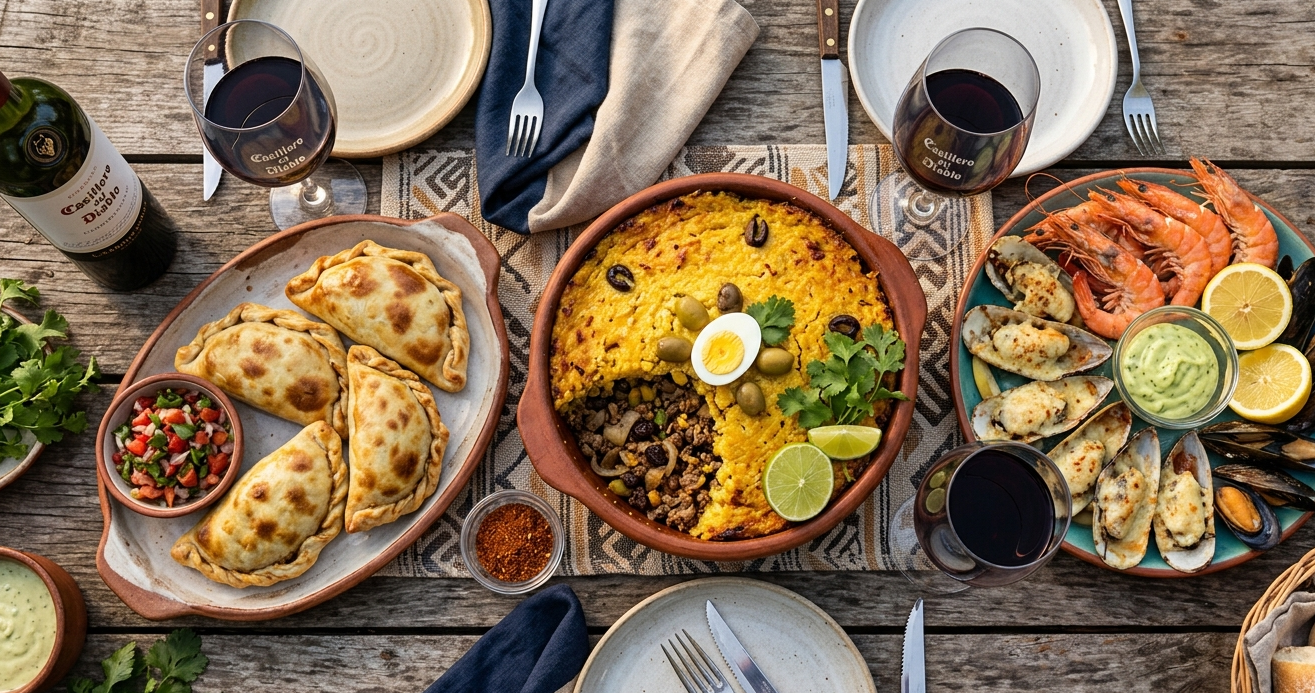
Imagine steaming pastel de choclo fresh from the oven, a bite of empanada de pino with a glass of Carménère in hand, and the bustle of Mercado Central just minutes away. If you’re planning Chile for 2026, this guide cuts through the overwhelm and puts the country’s hearty, seafood-rich flavors and wine culture at the center of your itinerary. Read on to discover where to eat, what to order, and how to time your trip to experience harvest festivals and vineyard tastings.
Why Chilean food feels like home (and why you’ll love it)
Chile’s cuisine in 2026 is praised for bold, comforting flavors and strong seafood traditions. You’ll find dishes that are both rustic and highly regional—perfect for travelers who want authentic meals that tell a story. Two cornerstone dishes to know right away:
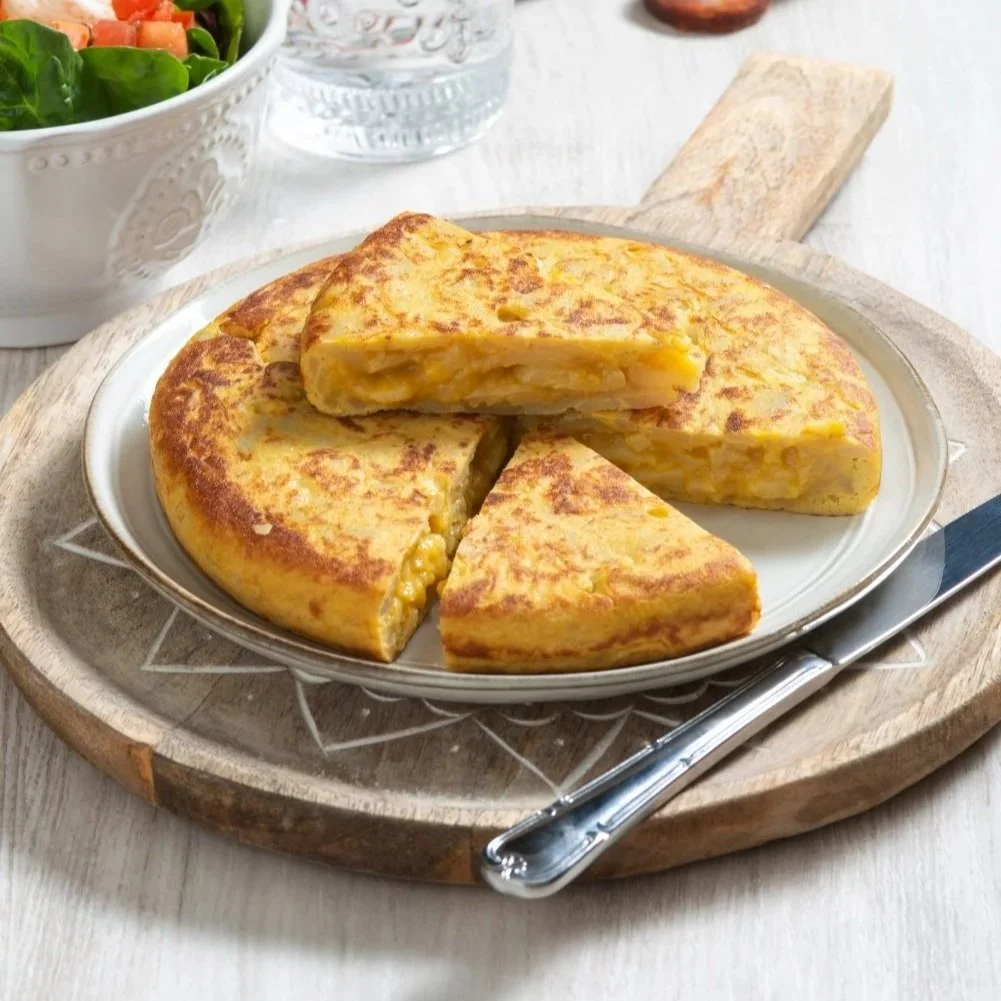
Pastel de choclo
A baked casserole topped with sweet corn mash and filled pino-style with beef, onions and spices. Many preparations include hard-boiled egg, black olives and sometimes raisins, giving the dish a sweet-savory balance noted in 2026 food features.
Why try it: It’s Chilean comfort food at its most satisfying and a great introduction to domestic flavor profiles.
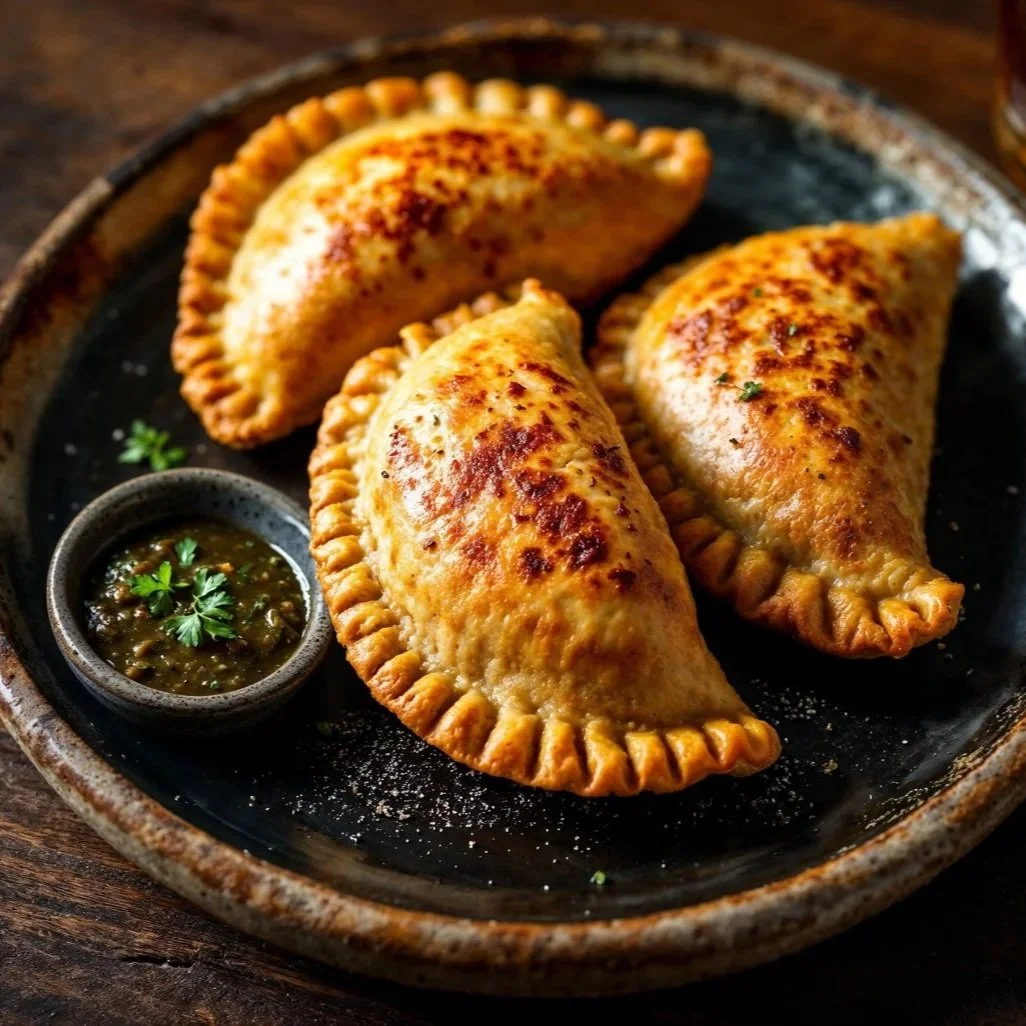
Empanadas de pino
The classic pino filling (beef, onion, raisins, hard-boiled egg, black olive) defines the empanada you’ll find across Santiago and beyond.
Pairing tip: A medium-bodied Carménère complements the ripe fruit and softer tannins of the pino filling—one of the best local wine-and-food matches for 2026.
Seafood and the Mercado Central experience
Santiago’s Mercado Central remains the city’s most-cited seafood hub in 2026. Treat it as both a meal and an atmospheric stop on your itinerary:
Go early for the liveliest seafood-counter atmosphere and fewer aggressive touts.
The central restaurant ring tends to be more tourist-oriented; edge stalls often offer better value and a more local feel.
Walkable from Santiago’s historic center and near metro access (Puente Cal y Canto), making it an easy morning stop before museum visits or a vineyard transfer.
🍽️ What to order at Mercado Central:
Paila marina (seafood stew)
Fresh ceviche
Machas a la parmesana (razor clams with cheese)
Dishes featuring congrio (conger eel) and local crab specialties
Practical note: 2026 visitor guides recommend checking stall and restaurant opening hours before you go, as times can vary.
Wine, vendimias (harvest festivals) and the best season to visit
If wine deepens your travel experience, plan your trip for Chile’s 2026 harvest season. Vendimia festivals run February–May 2026 and include tastings, grape stomping, food stalls, folklore and winery visits.
🍷 Highlight: Pirque (Maipo/Santiago area) hosts a vendimia event on Saturday, 28 March 2026—an ideal day to combine a winery tour with local food pairings.
🧀 Wine pairing essentials: Carménère is frequently recommended as a signature red for empanadas de pino and pastel de choclo—its ripe profile and softer tannins balance the dishes’ sweet-salty components.
⭐ Tip: Book winery visits and festival tickets early in 2026 to secure guided tastings and vineyard experiences.
Practical travel essentials for 2026
You want to taste, not stress—so here are the entry and planning must-knows for traveling to Chile in 2026:
✔️ Visitor permission: Many nationalities enter on a short-stay Temporary Stay (Permanencia Transitoria) typically up to 90 days. Check consular rules for your nationality.
✔️ Passport & entry: Ensure passport validity for the duration of your stay and retain any tourist cards/entry records for departure.
✔️ Proof of funds: Some authorities may request evidence of sufficient funds—Canadian and U.S. advisories reference a guideline figure around USD $46/day.
✔️ Official sources: Use government travel advisories (U.S. Department of State, Government of Canada) for up-to-the-minute entry and safety guidance before you travel.
A compact 2-day food-and-wine sample itinerary (Santiago + Maipo)
Day 1 — Mercado Central morning + Santiago tasting
🌅 Morning: Arrive early at Mercado Central. Try paila marina or machas a la parmesana for lunch. Stroll the outer stalls for better-value bites.
☀️ Afternoon: Short walk through the historic center; pick up a bottle of Carménère at a local wine shop.
🌙 Evening: Dinner of pastel de choclo or empanadas de pino, paired with Carménère. Finish with a classic Pisco Sour.
Day 2 — Maipo Valley / Pirque vendimia-style visit
🌅 Morning: Transfer to a Maipo winery near Pirque. If your trip falls on 28 March 2026, attend the Pirque vendimia festival for tastings, grape-stomping and folklore.
☀️ Afternoon: Guided cellar tour and lunch pairing (seek empanadas and regional fare).
🗝️ Practical: Book transfers and winery slots in advance—vendimia season fills quickly.
Tips to eat like a local and travel smart
Ask for the pino empanada if you want the most traditional filling; vendors and wine pairing guides are consistent on the classic components.
When at Mercado Central, consider ordering from an edge stall for a more local experience and better value.
Keep proof of entry and your passport handy when moving between regions or for departures.
If you’re unsure about visas or health advisories, consult your government travel page or ask your travel specialist to verify documents for your nationality.
Final food-forward reminders
Pisco Sour is still the signature aperitif—order it first to get into the spirit of Chilean dining.
Let Carménère guide your red-wine choices: it’s a natural partner for Chile’s comfort dishes in 2026.
Harvest season (Feb–May) is the most vibrant time to combine food markets with vineyard visits and festivals.
Planning where to eat, which wineries to visit, and how to time your trip can feel overwhelming—but you don’t have to do it alone. Whether you want to book a Mercado Central walking-and-tasting tour, reserve a Maipo Valley vendimia experience (like the Pirque festival on 28 March 2026), or create a custom wine-and-food itinerary around your travel dates, Go Beyond Travel can help. Contact Go Beyond Travel for a personalized consultation and let us craft a Chile trip that matches your tastes and travel pace.
#ChileanFood #WineTravel #PiscoSour #EatChile #SouthAmericanCuisine
📦 Key Takeaways
Pastel de choclo and empanadas de pino are essential comfort-food introductions to Chilean cuisine in 2026.
Santiago’s Mercado Central is the best seafood hub—go early, favor edge stalls for local value, and check opening hours before you go.
Carménère is the signature red to pair with empanadas and pastel de choclo; plan vineyard visits around February–May vendimia (harvest) events.
For many travelers Chile offers a Temporary Stay (up to 90 days); check passport validity, entry records, and potential proof-of-funds requirements before you travel.
Book experiences and logistics early for 2026 vendimias—Pirque near Santiago hosts a vendimia event on Saturday, 28 March 2026.
