
The Motorbike Maze: How to Navigate Vietnam Like a Pro
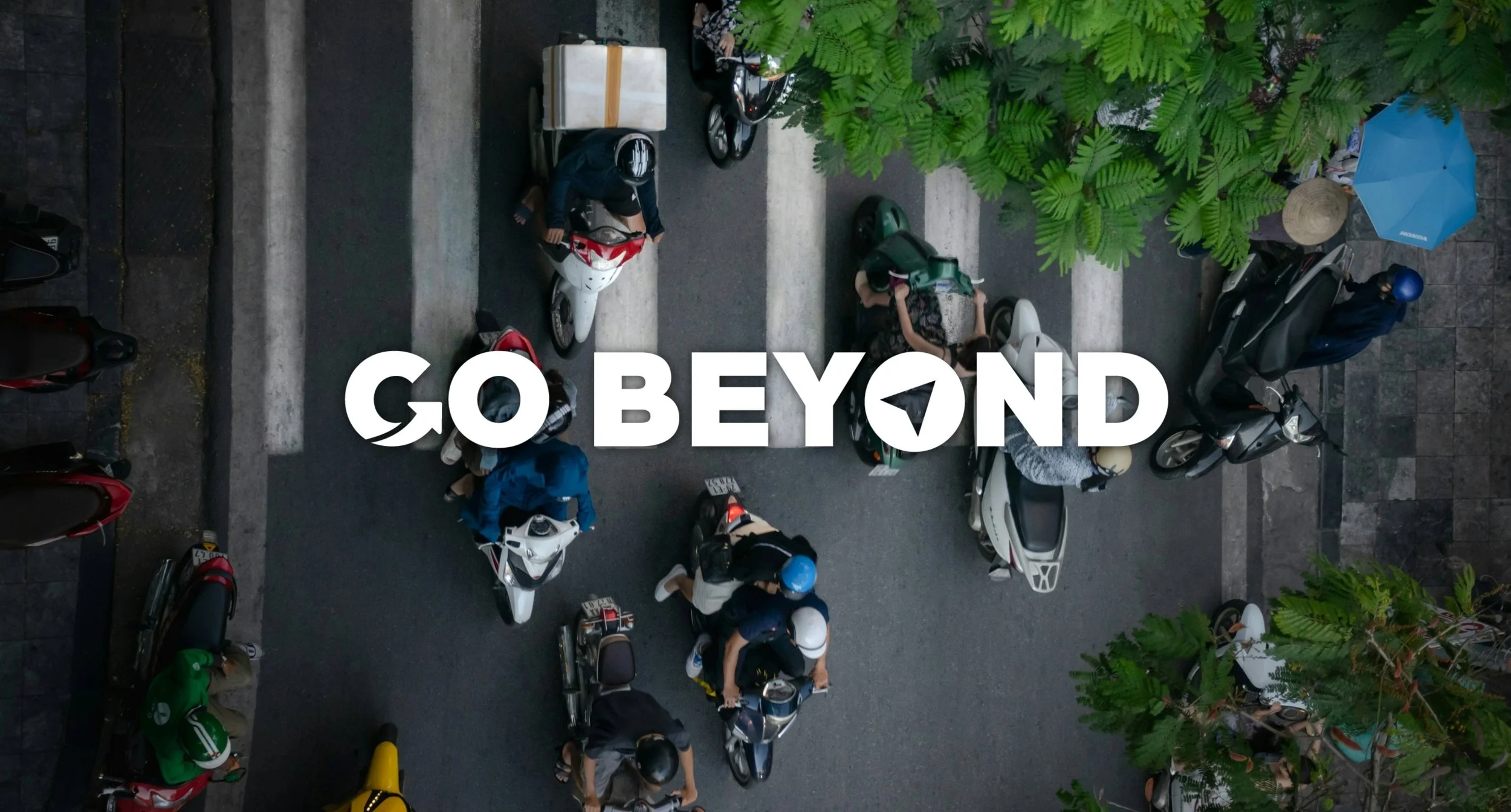
Original photo by Filipe Freitas
Vietnam’s streets can look like organized chaos — a flowing river of motorbikes, colorful markets, and unexpected weather changes. If that feels overwhelming, you’re not alone. This guide gives you clear, practical logistics for 2026 so you can move confidently through cities, cross busy streets safely, choose the right transport, and pack smart for every region.
Why this matters now (2026 update)
Vietnam travel is evolving — and so are the logistics you rely on. Hanoi is introducing a low-emission zone inside Ring Road 1 from July 2026 that will restrict petrol-powered motorbikes during certain hours. That can change street-level traffic patterns and how bike services operate in central Hanoi. Meanwhile, trusted services like Grab continue to emphasize identity verification and in-app safety tools, and Seat61’s 2026 update keeps the Reunification (North–South) rail line on every slow-traveler’s radar.
⭐ You want to enjoy Vietnam — not fight its logistics. Below are focused, practical steps to make your trip smoother.
Crossing streets: the slow-and-steady rule
You’ll see this advice repeated by locals and guides because it works. When navigating busy intersections:

Walk at a slow, steady pace; do not run or make sudden stops.
Keep a straight, predictable trajectory so riders can flow around you.
When possible, make eye contact with nearby riders or drivers.
Cross with locals if there’s a group — they set the tempo.
This approach reduces risk and anxiety: you’re visible and predictable, and riders adjust around you rather than colliding with unexpected moves.
Getting around cities: use app-based rides
Grab remains the most-referenced ride-hailing option for visitors in Vietnam for both cars and motorbikes. Why choose it:
Reduces the risk of unmetered or overpriced street taxis.
In-app safety features include identity verification, a Safety Centre, trip monitoring, and optional audio recording in some markets.
Useful when you need clear pickup/dropoff points in busy districts.
Practical tips:
✅ Confirm driver details in the app before you get in.
✅ Share your trip with someone if you’re traveling alone at night.
✅ In Hanoi (from July 2026), expect restrictions on petrol motorbikes in the low-emission zone — check the app or alternative pickup locations outside the restricted area.
Slow travel between regions: Vietnam by train
The North–South rail line (often called the Reunification Line or Express) is a classic overland route and a scenic way to experience coastal and countryside views — especially in Central Vietnam. Use Seat61’s updated 2026 guidance to plan timings and tickets.

Expectations and tips:
✅ It’s long-haul: many travelers break the journey into segments (Hanoi → Hue/Da Nang → Ho Chi Minh City).
✅ Book seats or sleepers in advance for comfort on overnight legs.
✅ Treat the route as part of the journey — allow extra time and bring layers, snacks, and entertainment.
Packing: dress for regional variety
Vietnam spans multiple climate zones. Pack so you’re ready for sudden changes:
📍 South (Ho Chi Minh City, Mekong Delta): lightweight, breathable fabrics and sun protection for humid conditions.
📍 Central coast (Da Nang, Hoi An, Hue): comfortable layers for breezy evenings and sun protection for daytime.
📍 North (Hanoi, Sapa, Ha Giang): warm layers and rain protection — highlands can be markedly cooler, especially at night.
General tips:
✅ Bring a compact rain jacket and a warmer mid-layer if you plan to visit the northern highlands.
✅ Comfortable shoes for uneven sidewalks and market browsing.
Money handling: cash still matters

Digital payments and cards are more widespread in Vietnam’s cities, but cash remains essential for markets, small vendors, and street food.
Carry small denominations (10,000–50,000 VND notes) — many vendors can’t break large notes.
Keep a mix of payment methods: some larger shops accept cards or apps, but small stalls usually do not.
Quick planning checklist (day-to-day practicalities)
✔️ Arrival day: have small VND notes ready for taxis, tips, and initial purchases.
✔️ Getting around: prefer Grab for transparent pricing and built-in safety features.
✔️ Crossing streets: stay slow, steady, and predictable.
✔️ Rail segments: pick the legs you want to enjoy and book early for sleepers.
✔️ Packing: match layers to the regions you’ll visit and bring rain protection.
What to watch for in 2026
Hanoi’s low-emission zone from July 2026 may limit petrol motorbike access during certain hours/areas inside Ring Road 1 — plan alternate pickup points or car rides for central Hanoi trips.
Check Grab’s in-app updates and Seat61’s Vietnam pages for the latest travel and timetable information before you finalize bookings.
Travel planning can feel like one more mountain to climb. But with these focused, practical steps you’ll remove much of the guesswork and enjoy more of what made you want to come: the food, people, and scenery.
Travel smarter, not harder. Use the slow-and-steady crossing rule, rely on app-based rides like Grab for safer urban trips, plan the Reunification rail line as a scenic slow-travel option, pack regionally, and carry small VND notes for markets. Remember to factor in Hanoi’s July 2026 low-emission zone when planning motorbike pickups in the capital. For a trip tailored to your timeline and comfort level, contact Go Beyond Travel for a personalized consultation — message our team today and let us build an itinerary that gets you beyond the logistics and into the experience.
#VietnamTips #TravelPlanning #BackpackingVietnam #SmartTravel #VietnamTransit
📦 Key Takeaways
Cross streets using the slow-and-steady rule: keep a predictable pace, avoid sudden stops, and make eye contact when possible.
Use Grab for in-city rides (cars and motorbikes) to reduce the risk of unmetered/overpriced street taxis and benefit from in-app safety tools.
Plan the North–South rail line as a scenic, long-haul 'slow travel' experience; break it into segments like Hanoi → Hue/Da Nang → Ho Chi Minh City.
Pack breathable layers for the humid south and warm, rainproof layers for the cooler northern highlands (Sapa/Ha Giang).
Carry cash in small denominations (10,000–50,000 VND) — many markets and small vendors can’t break large notes.
From July 2026, expect Hanoi’s low-emission zone (Ring Road 1) to restrict petrol motorbikes during certain hours/areas — check local times and plan alternatives.
