
The Soul of the Street: Vietnam’s Most Iconic Flavors
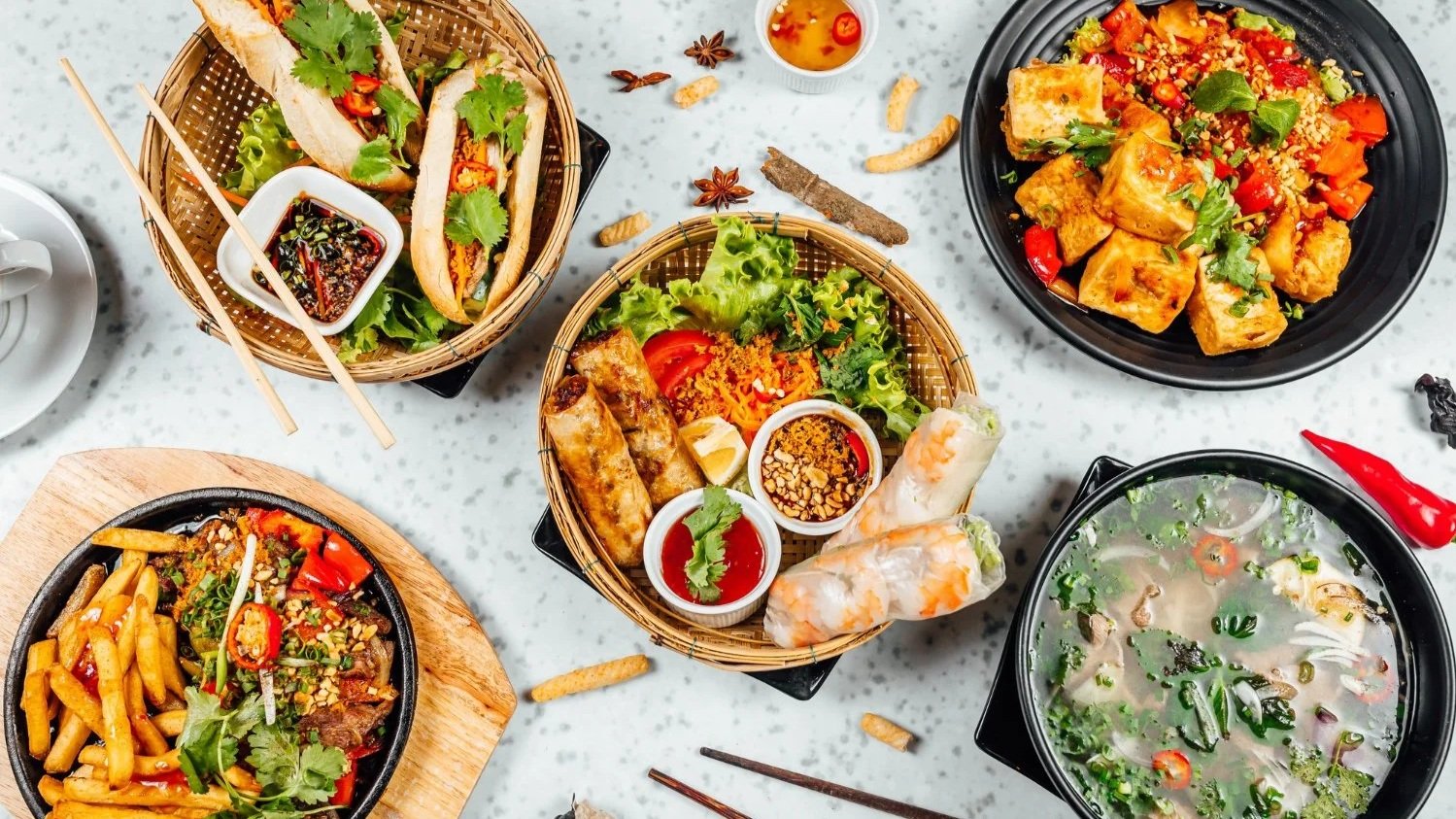
Vietnamese food tells a north-to-south story like no other — a gradual flavor gradient that unfolds in bowls, sandwiches, and sizzling plates. If you’re planning a 2026 culinary trip, this guide helps you taste that arc with confidence: what to order in Hanoi, where to savor Da Nang’s coastal bounty, why Saigon’s street snacks feel so abundant, and how to time your trip around festivals, crowds, and practical entry rules.
The flavor gradient you’ll taste (north → south)
Vietnamian cuisine is best understood as a journey. As you travel southward you’ll notice a clear progression:
🧭 Hanoi / North: Cleaner, saltier, and more restrained seasoning. Condiments and herbs are often served sparingly unless you ask for them. Classic anchor: Bún chả — grilled pork (both patties and sliced belly) with rice noodles, herbs, and a balanced dipping sauce.
🧭 Central (Da Nang, Quang Nam, Hue influence): Bolder aromatics and more heat, with turmeric, shrimp paste and fermented notes showing up in many dishes. Foods are often designed to be mixed and assembled at the table. Anchor dish: Mì Quảng — turmeric-yellow noodles with a small amount of rich broth, rice crackers, herbs, peanuts, and proteins like shrimp, pork, or chicken.
🧭 Ho Chi Minh City / South: A sweeter palate overall with larger DIY condiment sets and more abundant toppings. Street-snack culture thrives around mealtime. Anchor dish: Cơm tấm — broken rice with grilled pork chop, egg, pickles, scallion oil, and sweet-savory fish sauce.
The “Big Two” that shift as you move south
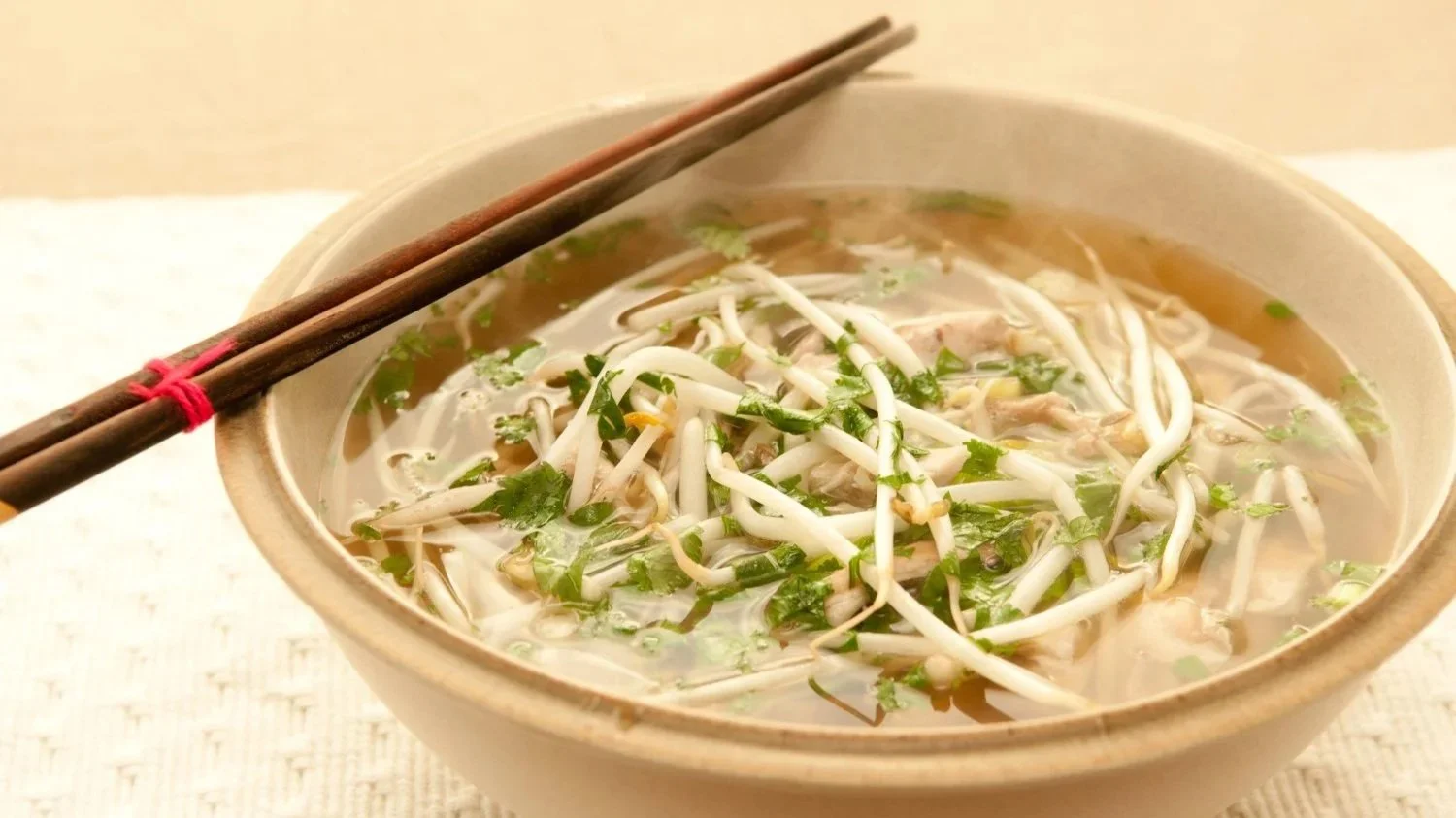
🍜 Phở: Expect a clearer, less sweet, and more minimalist approach in the north; in the south it’s typically sweeter and more customizable with extra herbs and condiments.
🥪 Bánh mì: Northern versions tend to be simpler and less loaded. In Saigon you’ll find more fillings, stronger sweet/sour notes, and generous pickles and sauces.
Must-try specialties and where to find them
☕ Hanoi — Egg coffee (cà phê trứng): A frothy, dessert-like coffee often linked to Cafe Giảng. It’s a signature “only-in-Hanoi” experience for many travelers.
🦐 Da Nang — Tank-to-table seafood: Coastal restaurants let you pick live seafood and a cooking style — perfect paired with a bowl of Mì Quảng or enjoyed by the Han River during festival season.
🍽️ Ho Chi Minh City — Cơm tấm and street-snack culture: Hunt for family-run stalls and MICHELIN-recommended addresses (e.g., Cơm Tấm Ba Ghiền) for reliably great plates.
2026 timing you need to know
🗓️ Tết (Lunar New Year) 2026: mid-February 2026. Expect a domestic travel surge and many family-run shops either closed or operating limited hours — plan carefully if food-focused experiences are your priority.
🗓️ Da Nang International Fireworks Festival (DIFF) 2026: May 30 – July 11, 2026. This draws major summer crowds and pushes hotel prices up in Da Nang — but it’s a magical time to pair fireworks with fresh seafood along the river.
🗓️ Hue Festival 2026: Reported to run with year-long programming and numerous cultural events — a strong reason to linger in central Vietnam if you’re mixing cuisine with heritage.
(Official event listings are useful when planning exact travel dates and booking.)
Practical 2026 travel and safety notes
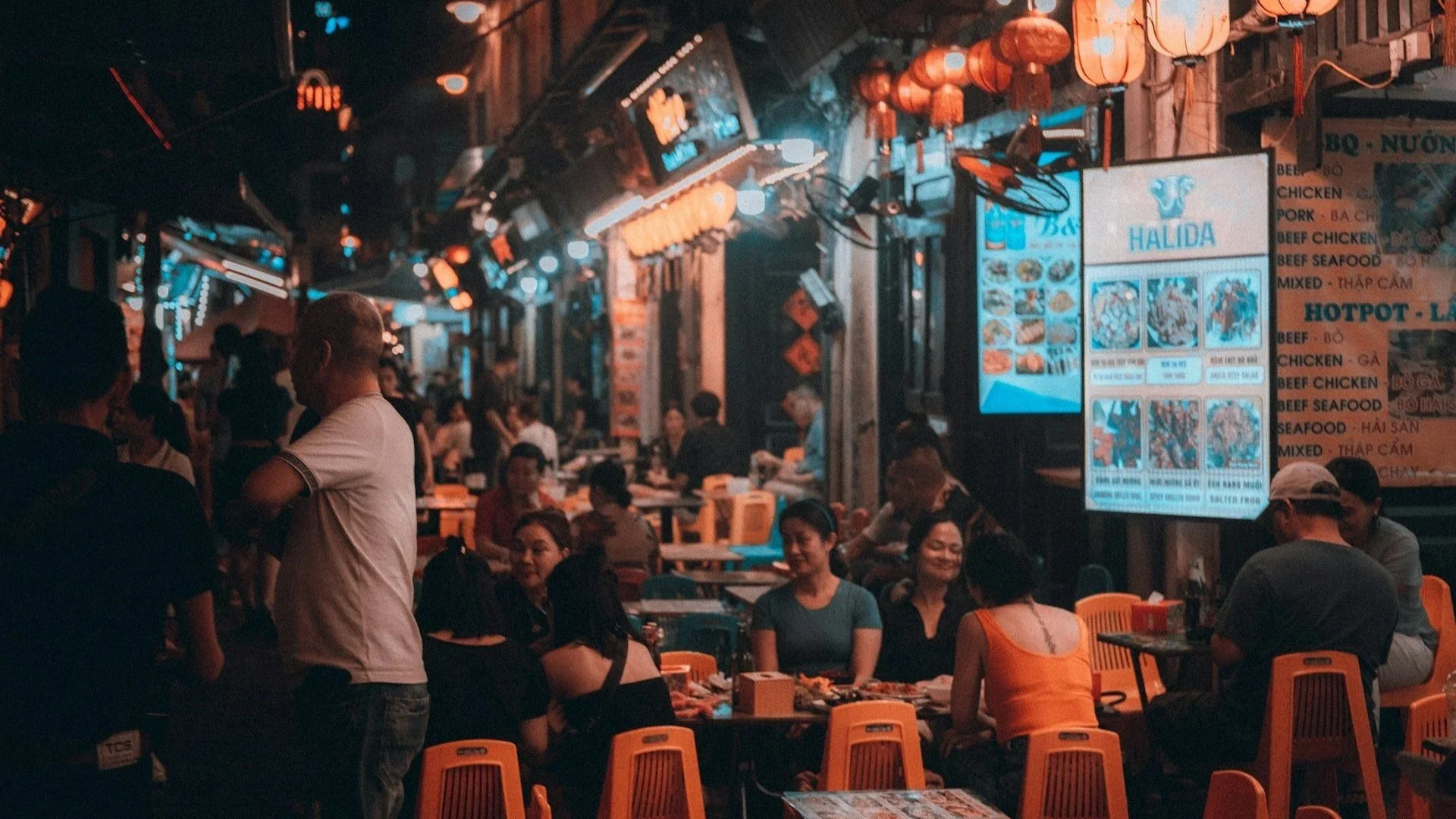
Photo by Michael Lock
✔️ Visa & entry: Rules change; always check official government and embassy pages for the latest visa exemptions and validity windows. Many travelers must still obey passport validity rules (commonly six months remaining) and local enforcement around overstays.
✔️ Use MICHELIN Guide selections as a trust filter: The MICHELIN Guide (Vietnam 2025 listings remain a current benchmark in 2026) helps you navigate both elevated restaurants and reliable street-food vendors.
✔️ Food safety tips: Follow simple practices — eat at busy stalls (high turnover), ask for steaming or freshly cooked items, use bottled water if needed, and carry basic stomach-relief medicine if you’re sensitive to changes in cuisine.
When to go for the best value and weather
🧑🤝🧑 Peak crowds/pricing: Tết (mid-February 2026) and DIFF in Da Nang (May 30–July 11, 2026).
🌤️ Best balance of weather, crowds, and value: Shoulder seasons March–April and October–November — ideal for a cuisine road trip from Hanoi → Da Nang → Ho Chi Minh City without extreme heat or heavy rains.
Planning tips that make your trip less overwhelming
Build your core route first (Hanoi → Central → South) and slot must-have dishes into cities rather than exact restaurants — you’ll discover local gems this way.
Bookmark MICHELIN Guide picks to reduce risk and to add a few vetted street stalls to your list.
Expect simple seasonal closures during Tết — if traveling in mid-February 2026, pre-book experiences and ask about shop hours in advance.
For seafood in Da Nang, ask for “live” or “tank-to-table” options and discuss cooking style before ordering.
Carry small change and a phrase cheat-sheet for common food orders (e.g., no chili, less sweet). Vendors appreciate clear, polite requests.
Vietnam’s street food is at once approachable and endlessly deep — a corridor of flavors that rewards curiosity and a little planning. Whether you want the restrained balance of Hanoi, the aromatic heat of central Vietnam, or the abundant street-sauce culture of Saigon, 2026 is a great year to map a culinary trip with attention to festivals, visa rules, and shoulder-season timing. Your culinary adventure starts here — contact Go Beyond Travel for a personalized consultation to plan the perfect food-focused itinerary, and leave a comment below with your favorite Vietnamese dish!
#VietnameseFood #StreetFood #Pho #BanhMi #FoodieTravel #VietnamEats
https://danangfantasticity.com/en/discovery/danang-2026-the-official-events-festivals-calendar
https://www.lagunalangco.com/hue-festival-2026-to-span-entire-year-with-80-activities-and-events/
https://guide.michelin.com/us/en/article/michelin-guide-ceremony/michelin-guide-vietnam-2025
https://guide.michelin.com/en/ho-chi-minh/ho-chi-minh_2978179/restaurant/com-tam-ba-ghien
📦 Key Takeaways
Vietnam’s regional flavor gradient (north → south) is the strongest pattern you’ll notice: cleaner and saltier in Hanoi, bolder and spicier around central Vietnam, sweeter and more abundant in Saigon.
Focus on three anchor dishes—Bún chả (Hanoi), Mì Quảng (Da Nang/Quang Nam), and Cơm tấm (Ho Chi Minh City)—to understand regional identity.
Plan around 2026 peak times: Tết (mid-February) and Da Nang International Fireworks Festival (May 30–July 11); choose shoulder seasons (Mar–Apr, Oct–Nov) for better value and weather.
Use trusted signals like the MICHELIN Guide selections to find reliable street-food and restaurant options in 2026.
