
The Safari Specialist: Essential Tips for Your First Botswana Adventure
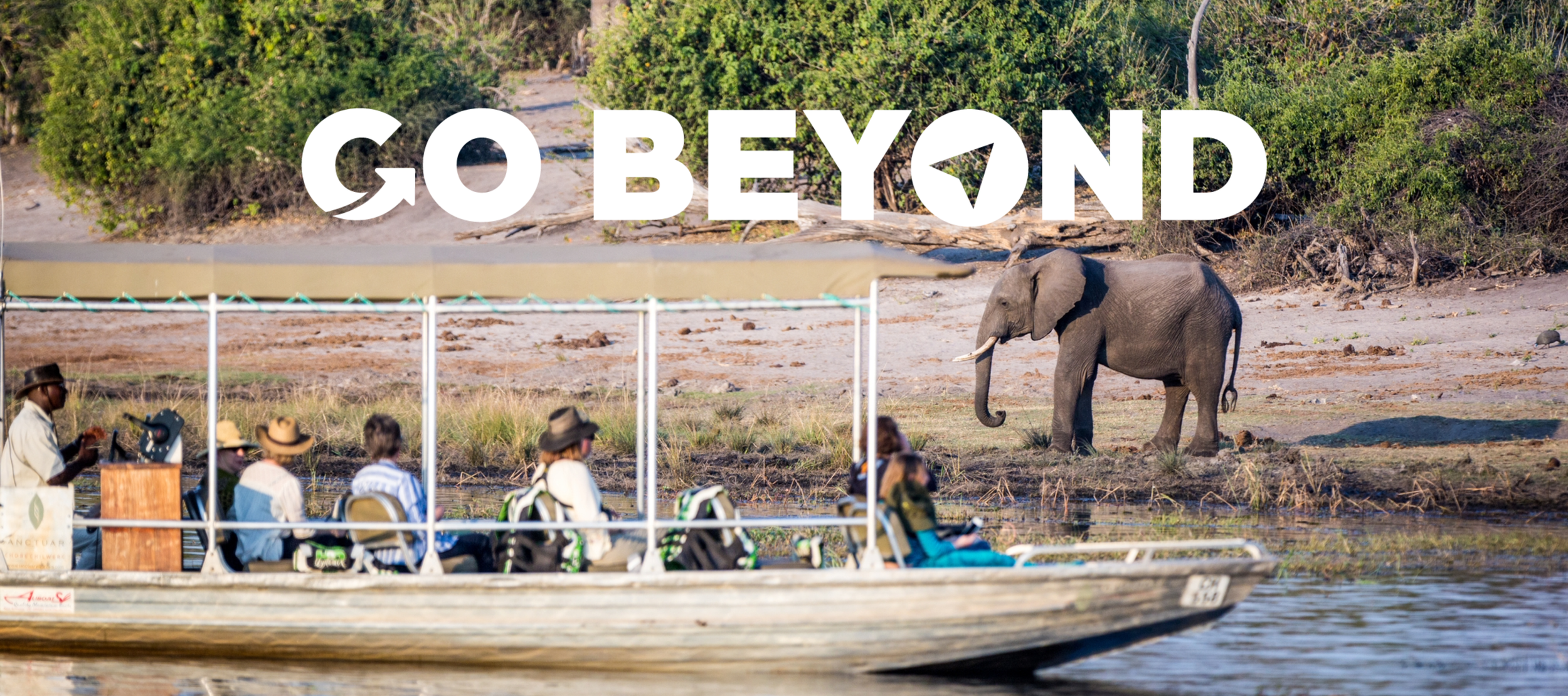
Original photo by Hel080808
Planning a safari in Botswana is an exciting yet complex adventure. From choosing the best way to explore the wilderness to understanding local customs and health precautions, this guide will help you prepare for an unforgettable experience in one of Africa's most pristine safari destinations.
Fly-in vs. Self-Drive Safaris
Fly-in safaris offer access to remote and pristine areas of Botswana that are difficult to reach by road. They save valuable travel time and provide expert guidance with experienced guides and trackers. Self-drive adventures appeal to those who are more independent and budget-conscious, offering a sense of freedom but requiring good planning and preparation.

Spotting African Wild Dogs
The Okavango Delta and Moremi Game Reserve are renowned for sightings of the endangered African wild dog. To enhance your chances, choose guided game drives during early morning or late afternoon and maintain patience and quiet during excursions.
What to Wear (and What Not to Wear)
Wear neutral earth tones like khaki, beige, and olive green to blend in with the environment. Avoid bright white, blue, and black clothing as these colors attract tsetse flies, which can be a nuisance. Breathable, lightweight fabrics and layered clothing are recommended to adjust to temperature changes.

The Art of Tipping
Tipping is customary and appreciated in Botswana's safari industry. It's appropriate to tip guides, trackers, and camp staff at the end of your stay. Typical amounts range from $10–$20 per day for guides and trackers, and a smaller amount for camp staff, helping support local livelihoods and encouraging excellent service.

Botswana's Tourism Model
Botswana follows a "high-cost, low-impact" tourism model that prioritizes conservation by limiting visitor numbers and focusing on sustainable practices. This approach helps preserve wildlife habitats while providing visitors with an exclusive, intimate experience.

Health & Safety
Consult your healthcare provider well before your trip, especially if traveling to malaria-risk areas in northern Botswana. Take prescribed anti-malarial medication and use insect repellent. Additionally, stay hydrated, avoid risky foods and water, and carry a basic first aid kit to stay safe throughout your adventure.
Embarking on a safari in Botswana promises an unforgettable journey into the wild. By understanding your travel options, respecting local customs such as tipping, dressing appropriately, and prioritizing health precautions, you'll maximize your enjoyment and help support conservation efforts. Ready to experience Botswana like never before? Contact Go Beyond Travel to start planning your dream safari today.
#SafariTips #FlyInSafari #MalariaPrevention #PackingList #AfricanWildDog #ResponsibleTourism
📦 Key Takeaways
Safari Style: Choose between fly-in safaris for remote luxury and maximizing time, or self-drive for a more budget-friendly, adventurous exploration.
Wildlife Hotspots: Prime locations to see African wild dogs include the Okavango Delta and Moremi Game Reserve, especially during the denning season (typically March to October).
Clothing/Tsetse Flies: Wear neutral-colored clothing (khaki, muted green). Avoid bright white, blue, and black, as these colors attract tsetse flies.
Tourism Model: Botswana maintains a high-cost, low-impact tourism model to protect its wilderness and ensure an exclusive experience.
Tipping Culture: Tipping is an important part of the culture. Be prepared to tip guides, trackers, and general camp staff (typically in USD or BWP).
Health Safety: Consult a doctor before travel, especially for malaria prevention in northern regions like the Okavango Delta and Chobe.
