
Taste of the Tswana: A Culinary Guide to Botswana's Traditional Food
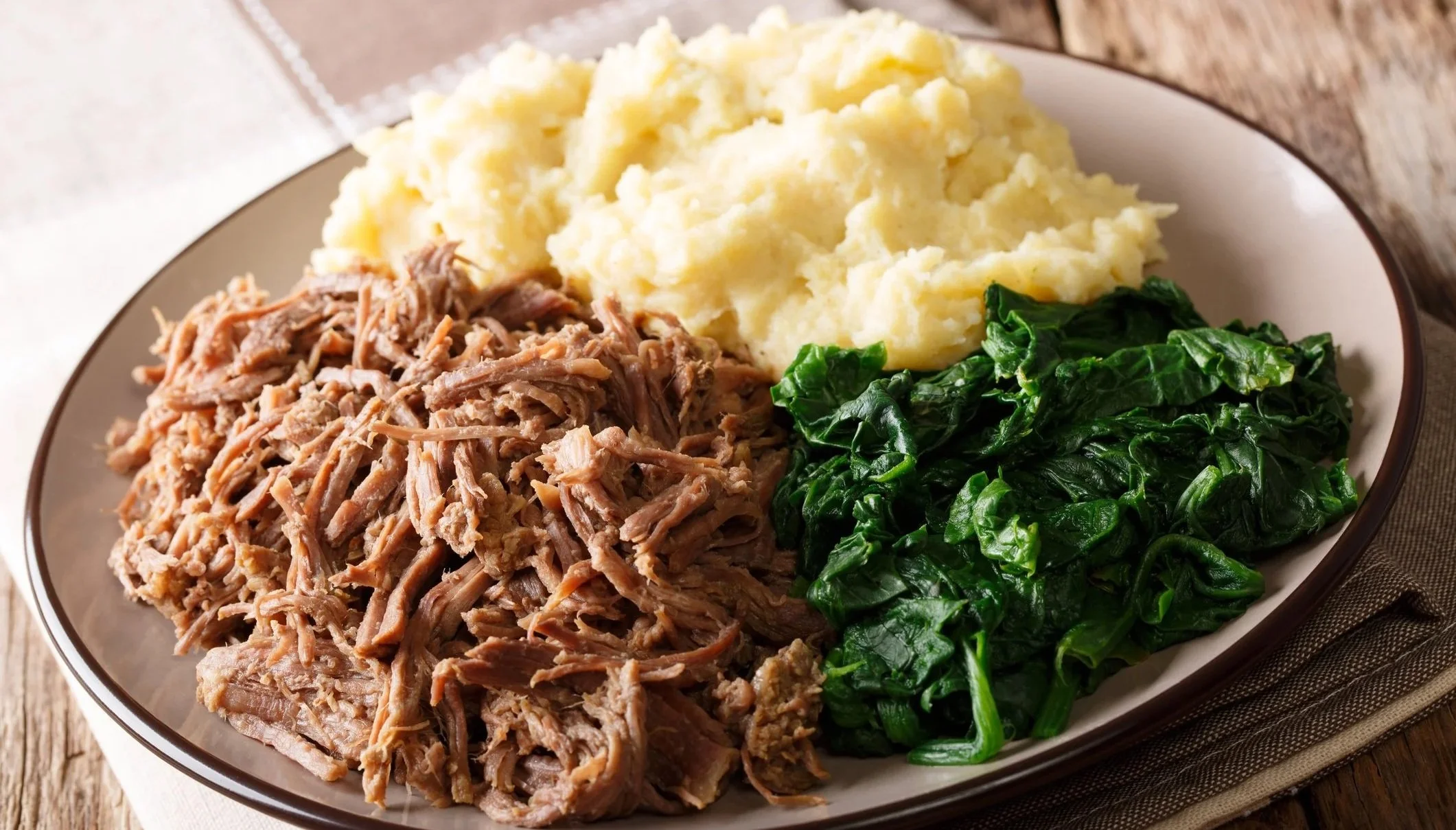
Photo by Sergii Koval
Come explore Botswana. While the stunning wildlife and vast landscapes of the Okavango Delta get most of the attention, there's another, equally rich world to explore: the nation's traditional cuisine. This guide will take you beyond the safari vehicle and into the heart of Tswana culture through its most beloved dishes, from the savory national dish to the staples that grace every family table. Get ready to taste the true, hearty soul of Botswana.
The Unmissable National Dish: Seswaa
No culinary tour of Botswana is complete without tasting Seswaa. Considered the national dish, Seswaa is a testament to the beauty of simplicity and patience.
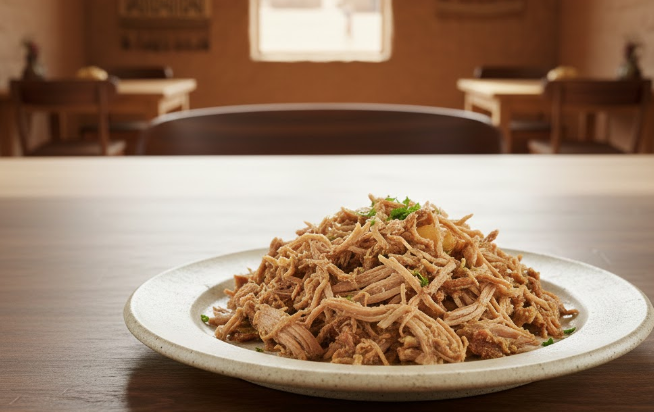
What is it? It's meat (beef or goat) slow-cooked for hours in a three-legged iron pot with just salt and a little water until it's incredibly tender. It is then pounded or shredded into a fine, fluffy texture.
How is it eaten? Seswaa is traditionally served as the centerpiece of any important gathering, from weddings to national holidays. It's typically accompanied by bogobe and morogo. The communal act of preparing and sharing Seswaa is as important as the dish itself.
The Hearty Staples: Bogobe and Morogo
These two side dishes are the backbone of almost every traditional Tswana meal, providing sustenance and a perfect balance of flavor.
🍚 Bogobe (Pap): This is a thick porridge made from maize (mielie-meal) or sorghum flour. Its consistency can range from a soft, creamy mash to a stiffer porridge that can be held in your hand. Bogobe is the perfect, neutral base for soaking up the savory juices of stews and meats.
🥬 Morogo (Wild Greens): Often compared to spinach, Morogo is a variety of wild greens that are boiled and seasoned. It has a rich, earthy flavor and is packed with nutrients. When served alongside the richness of Seswaa and the simple starchiness of bogobe, it creates a perfectly balanced and wholesome plate.
Where to Experience Tswana Cuisine
Finding authentic Tswana food is part of the adventure, taking you from bustling city markets to the serene wilderness.
Photo by John Cameron
🏙️ In the Cities (Gaborone & Maun): For a truly local experience, head to the urban centers.
In Gaborone, visit the Gaborone Farmers Market at Molapo Crossing on a weekend to find fresh produce and local food stalls. Keep an eye out for street food vendors selling everything from grilled meats to diphaphatha (a type of flatbread).
In Maun, the gateway to the Okavango, seek out local eateries. A standout is Kana Jang? Restaurant, which is celebrated for serving traditional meals in a vibrant, artistic setting.
🌾 Dining in the Bush: Safari Camps: Many high-end safari camps and lodges have embraced traditional cuisine, offering guests a refined taste of Botswana. You might enjoy Seswaa as part of a "boma" dinner—a traditional open-air dining experience around a campfire, under the stars. It's a magical way to connect with Botswana's culture while immersed in its iconic wilderness.
Exploring Botswana's traditional food is more than just a meal; it's an authentic cultural experience that connects you to the heart of the nation. From the communal joy of sharing Seswaa to the simple, satisfying flavors of bogobe and morogo, Tswana cuisine is a journey worth taking. Ready to taste the true spirit of Botswana? Contact Go Beyond Travel today, and let us craft a personalized itinerary that feeds your wanderlust. Craving more travel inspiration? Read other blog posts in on traveling to Botswana and more!
#SetswanaCuisine #Seswaa #TraditionalFood #GaboroneDining #SafariCamps #AfricanFood
📦 Key Takeaways
National Dish: Seswaa is the national dish—a must-try of slow-cooked, pounded meat.
Essential Sides: Bogobe (maize porridge) and Morogo (wild greens) are the wholesome side dishes completing a traditional meal.
Local Experience: Find authentic culinary experiences at local markets and eateries in cities like Gaborone and Maun.
Safari Dining: Many safari camps serve gourmet traditional dishes, often in a magical "boma" dinner setting under the stars.
Cultural Connection: Tasting local food is a direct and delicious way to connect with Botswana's rich cultural heritage.
