
The Michelin Era: Why Manila and Cebu Are the Philippines' New Culinary Capitals
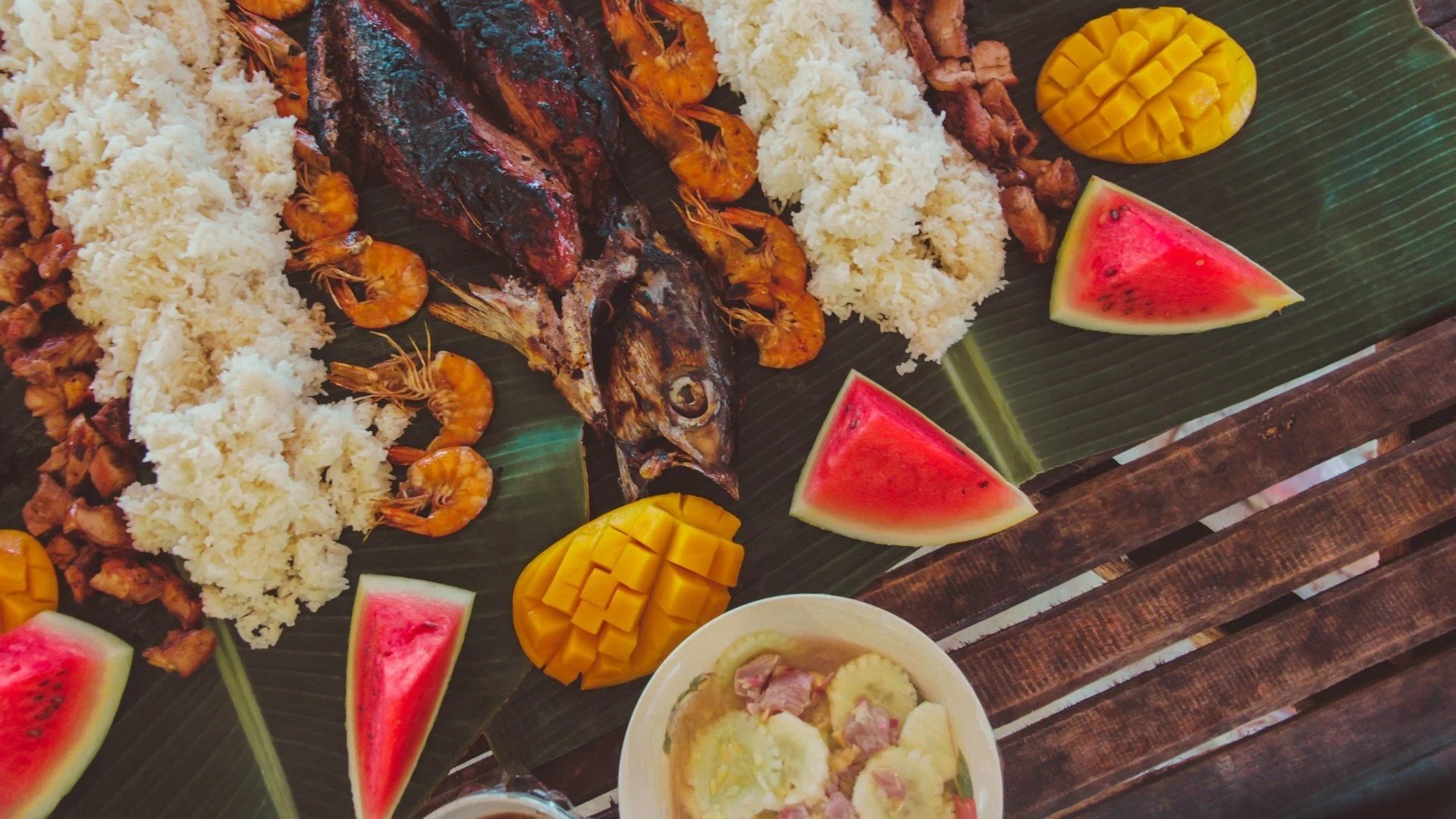
Photo by John Matthew Flores
A seismic shift has arrived in Philippine food culture. With the MICHELIN Guide launching its first Philippines edition for 2026, Manila and Cebu are no longer just island paradises — they are a compact, world-class culinary circuit you can plan your trip around. If you love bold flavors, farmer-to-table stories, communal feasts, and a lively new generation of chefs, this is the year to go.
Why the MICHELIN debut matters for your next trip
The MICHELIN Guide's inaugural Philippines edition, announced as the 2026 selection, creates an official dining map for travelers. The first edition totals 108 establishments across Manila and Cebu, with a breakdown of 1 Two-Star, 8 One-Star, 25 Bib Gourmand, and 74 MICHELIN Selected. MICHELIN also included Special Awards such as a Young Chef Award and at least one Green Star for mindful gastronomy.
For you as a traveler, that means two things: first, Manila and Cebu become a sellable culinary two-center trip where classic street eats meet cutting-edge tasting menus; second, you can plan food-first itineraries with confidence because the Guide narrows the discovery curve and signals where reservation demand will climb.
What the 2026 trend story really says about Filipino food
MICHELIN inspectors framed 2026 around locavore values and a modern Filipino fine-dining language. Key trends you will taste on your plate:
✨ Strong emphasis on Philippine-sourced ingredients and direct links to farmers and fishers.
✨ Techniques like fermentation and preservation as signature flavor builders.
✨ Pop-ups, test kitchens, and collaborations that accelerate innovation and visibility.
✨ A young talent wave moving Filipino cuisine into fine-dining leadership, not just reinterpretation of Western models.
This is not just about haute cuisine. It is a contemporary culinary identity rooted in local terroir and shared tables.
Must-eat experiences to build into your Manila + Cebu food itinerary
🍽️ Kamayan and communal feasts
Try kamayan at places that pair formal tasting elements with a communal banana-leaf spread. Toyo Eatery, a One Star in Makati, keeps kamayan as a traditional communal option alongside its farm-to-table tasting menus.
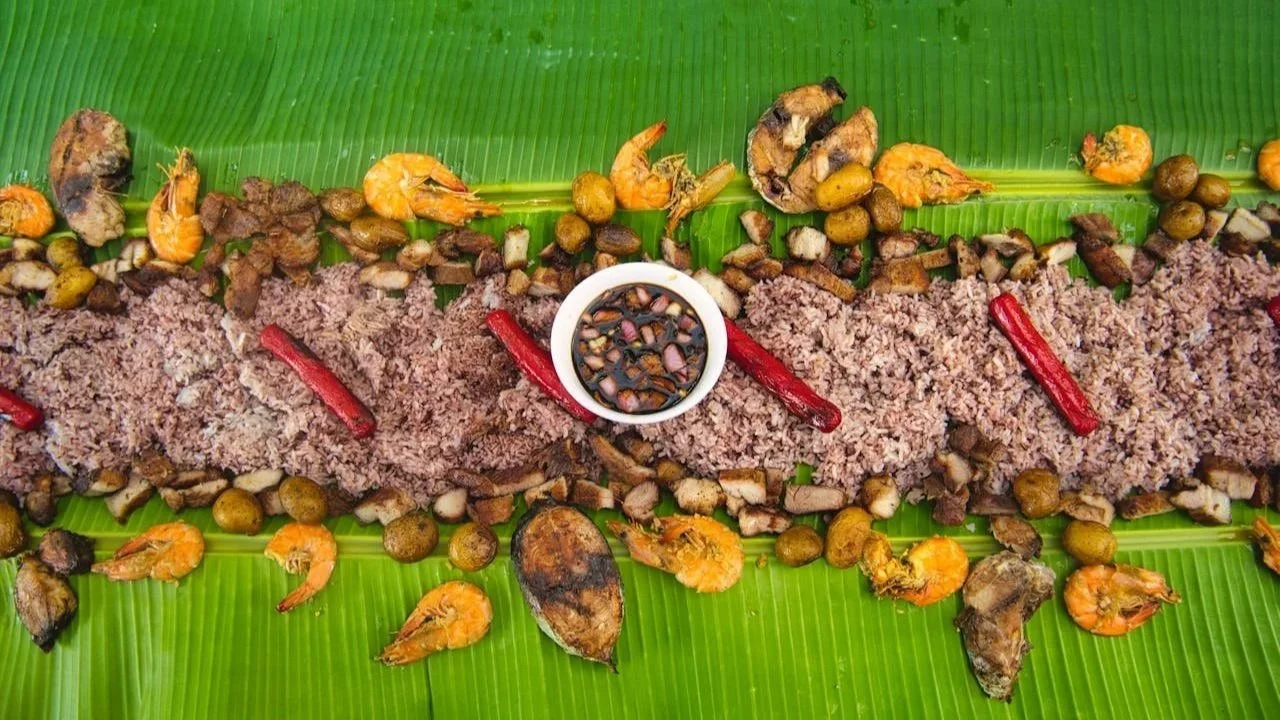
Photo by Elly Mar Tamayor
🍽️ Fermentation-forward modern plates
Look for restaurants like Metiz and Toyo that use house-aged and fermented elements to add depth and texture to modern Filipino courses.
🍽️ Cebu lechon
Cebu's lechon remains nonnegotiable. MICHELIN's coverage gives travelers permission to chase classic lechon alongside new-wave tasting menus. Expect legacy stalls and family-run roasters to be on your map.
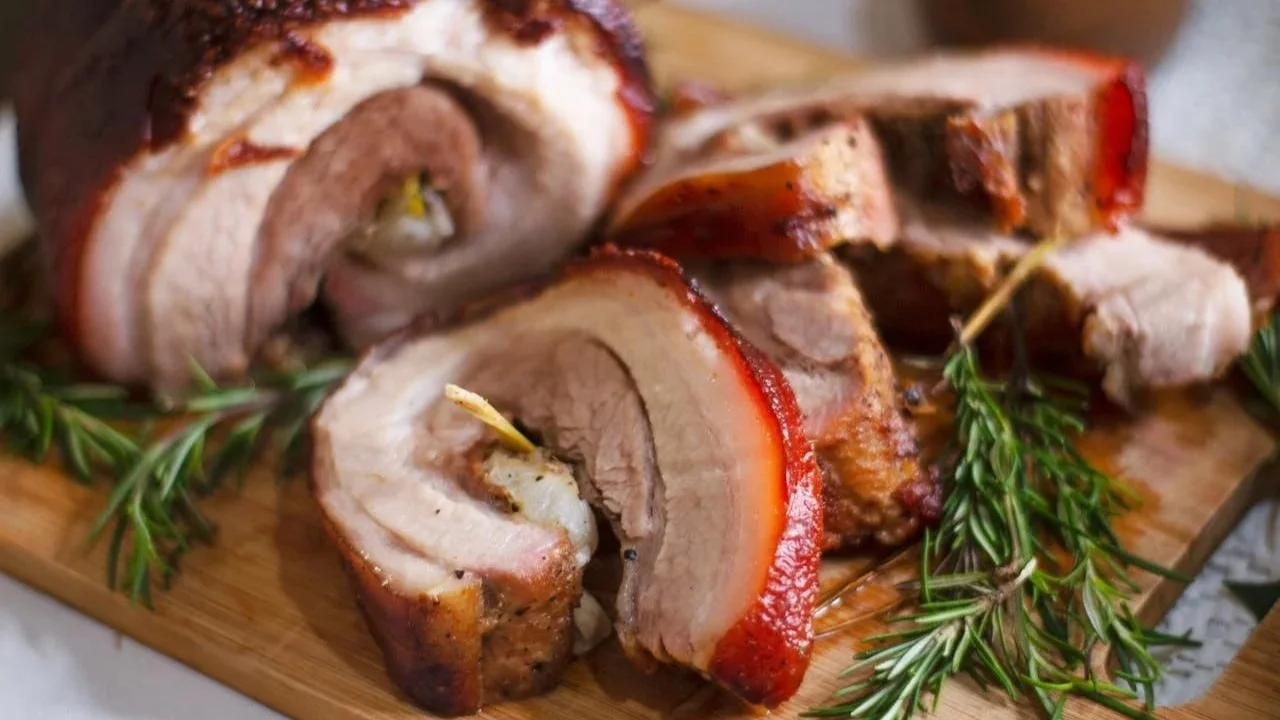
Photo by Cleo Vergara
🍽️ Halo-halo for summer and innovation
Halo-halo remains a summer staple and an inventive canvas. From classic mix-mix bowls to chef-driven riffs, dessert lovers will find both heritage and innovation.
Practical travel tips for 2026 planning
⌛ Reservations and timing
Expect increased demand and tighter reservations for MICHELIN-listed restaurants, especially tasting-menu venues. Book at least 4 to 8 weeks ahead for One- and Two-Star venues, and earlier if your trip is during peak season.
✈️ Entry compliance and visas
Complete the mandatory eTravel registration on the official platform. It is free and commonly completed within 72 hours of travel. Avoid paid lookalike sites.
Note a 2026 policy update: effective 16 January 2026, certain visa-free entry conditions apply for Chinese nationals for 14 days via designated ports including Manila NAIA and Cebu Mactan, with standard conditions such as passport validity and onward ticket requirements. For other nationalities, check the Bureau of Immigration or DFA for the latest rules.
📆 Best time to visit and costs
Weather and crowds: Dry season Dec–Feb brings best weather and peak prices; Mar–May is a warm shoulder season ideal for food-focused trips; Jun–Oct is wetter and cheaper but carries typhoon risk.
Flights: broader aviation forecasts suggest average fares may fall in real terms over 2026, so monitor fares and lock tickets when you see a good price.
A sample 5-day culinary primer for first-timers
Day 1: Arrive in Manila, street-food dusk tour in Binondo and dessert stop for halo-halo.
Day 2: Tasting menu at a MICHELIN-listed restaurant in Makati, followed by a kamayan experience for dinner.
Day 3: Fly to Cebu early morning, lechon crawl and market tour, evening seafood by the water.
Day 4: Chef visit or farm tour paired with a modern dinner highlighting fermentation and house-aged elements.
Day 5: Last-minute pasalubong shopping, casual lunch with street classics, departure.
How to navigate culinary etiquette and budgeting
Cash is still king at many kiosks and lechon stalls; credit cards are more widely accepted at higher-end restaurants.
When invited to a communal feast, follow the lead of hosts for seating and hand-washing practices with kamayan.
Balance splurges: save tasting-menu nights for MICHELIN-listed spots and spend on authentic street classics for everyday meals.
Final thoughts on why 2026 is the year to go
The MICHELIN Guide’s debut amplifies an existing movement that already celebrated locavore ethics, fermentation knowledge, and communal eating. For you, it means clearer choices, elevated experiences, and a rare moment to witness a national cuisine step confidently onto the global stage. Whether you want to chase a One-Star tasting menu in Makati, savor Cebu’s iconic lechon, or reinvent summer with halo-halo variations, 2026 offers a concentrated culinary story that is both modern and deeply local.
The MICHELIN Guide Philippines has turned a spotlight on a food scene that has long deserved global attention. With locavore values, fermentation-led innovation, communal feasts, and a new generation of young chefs redefining Filipino fine dining, your next trip can be as much about stories on the plate as it is about scenery. Hungry for a taste of the islands? Contact Go Beyond Travel for a personalized consultation.
#FilipinoFood #MichelinGuide2026 #ManilaEats #Lechon #FoodieTravel
📦 Key Takeaways
The MICHELIN Guide Philippines 2026 selection covers Manila and Cebu with 108 establishments: 1 Two-Star, 8 One-Star, 25 Bib Gourmand, and 74 MICHELIN Selected.
MICHELIN highlights a locavore movement: Philippine-sourced ingredients, fermentation, preservation, and direct chef-producer relationships.
Toyo Eatery and Metiz exemplify the modern Filipino fine-dining wave with farm-to-table sourcing, fermentation, and communal kamayan options.
Cebu lechon and halo-halo remain iconic visitor must-eats, now elevated by MICHELIN visibility alongside contemporary tasting menus.
Practical travel notes for 2026: eTravel registration is mandatory and free; new visa-free policy for Chinese nationals effective 16 January 2026; best travel months are Dec–Feb and Mar–May for shoulder season.
Expect higher demand and tighter reservations at newly Starred and prominently listed restaurants in 2026; plan and book ahead.
