
Tracing the Sands of Time: Heritage, Pearls, and Culture in Qatar
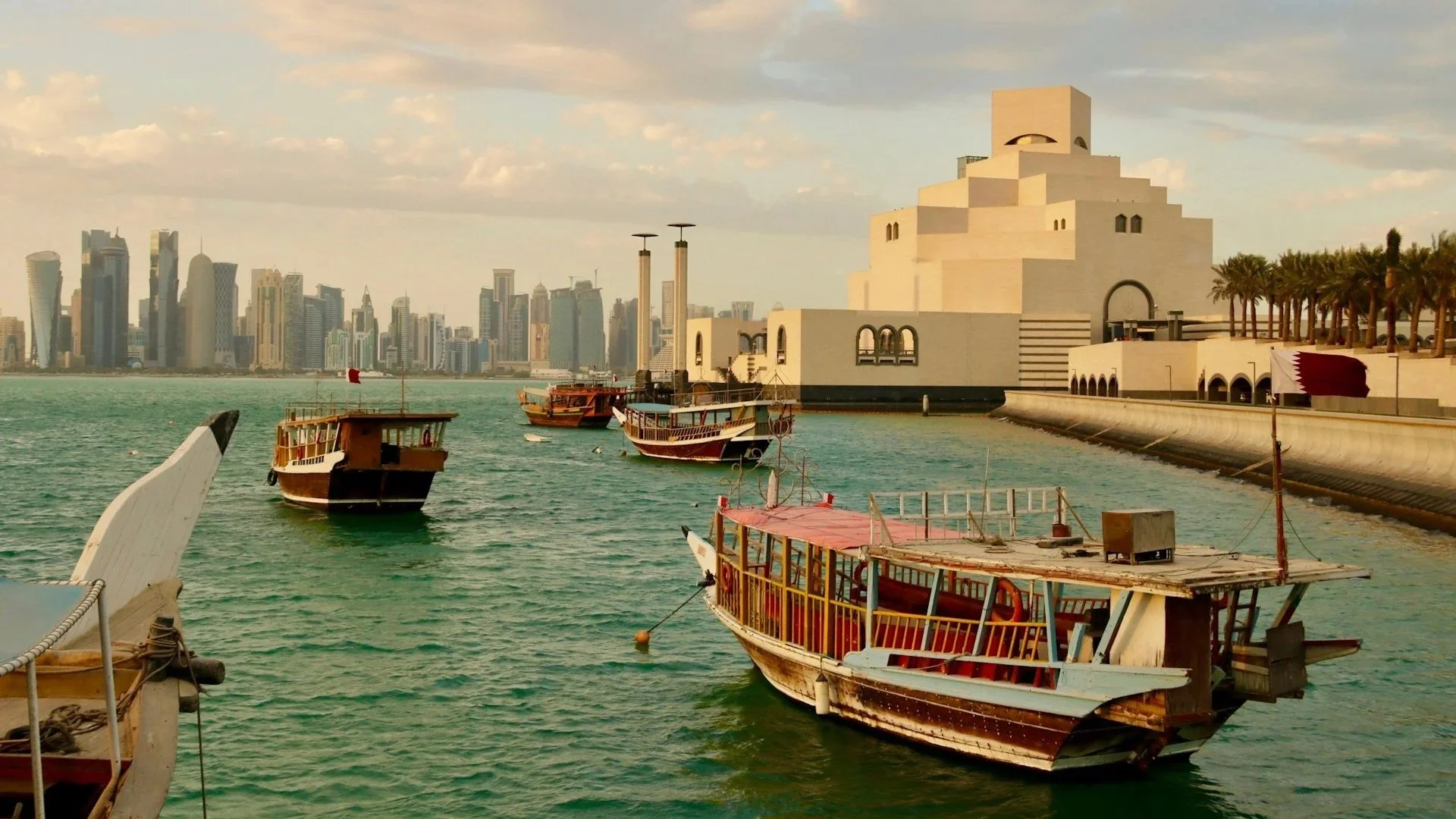
Photo by Hongbin
Qatar’s story is written on water. From pearl-diving crews and dhow decks to living villages where crafts and stories are still passed down, the country’s maritime roots are being actively re-staged for visitors in 2026. If you want a travel experience that connects modern Doha with a seafaring past, this guide shows you where to go, when to visit, and how to build a heritage-rich itinerary—starting with a can’t-miss 2026 festival.
Why Qatar’s Maritime Heritage Matters in 2026
Qatar’s maritime past is not a museum relic—it's a lived, re-staged experience. In 2026 you’ll find community-led living villages, craft demonstrations, dhow culture activations, storytelling sessions, and coastal cuisine that frame pearling and seafaring as central to national identity. These experiences help you move beyond shiny skylines to understand the resilient, sea-facing lifeways that shaped modern Qatar.
Can’t-Miss Anchors (Where to Go)
🖼️ National Museum of Qatar (NMoQ)
Why go: The NMoQ is a flagship story of identity-building. Its architecture is inspired by the desert-rose crystal formation and the building was designed by Jean Nouvel, making the museum itself part of the narrative.
What you’ll see: Pearling-era objects and exhibits that link pre-oil maritime life to today’s Qatar—perfect for grounding your trip with curated context.
⌛ Al Zubarah Archaeological Site (UNESCO World Heritage)
Why go: Al Zubarah is presented as an exceptionally preserved 18th–19th century trading and pearl-fishing town—ideal for imagining merchant life and regional trade before oil.
Practical note: This is an outdoor archaeological site; plan for cooler weather (see seasonality below).
🪶 Falconry (UNESCO Representative List)
Why go: Falconry is internationally recognized as living human heritage. Seeing a falconry demonstration connects you to centuries-old hunting, training, and ceremonial practices that still matter culturally.
2026 Highlight: Al Ruwais – The Maritime Heritage Festival
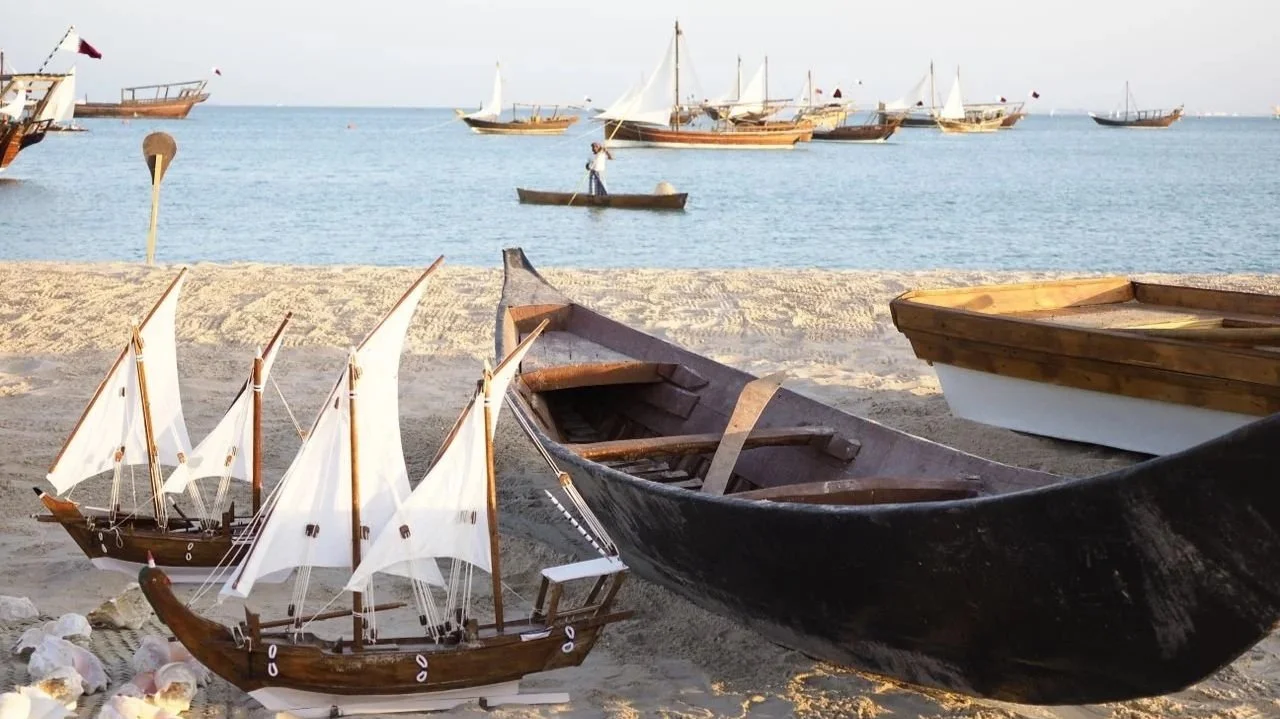
Photo by Natalya Rostun
Dates: 18 March–4 April 2026.
Why it’s special: This Visit Qatar–backed festival is a time-limited, on-theme opportunity: expect dhow culture, fishing traditions, artisan crafts, storytelling, coastal cuisine, and pearl-diving–inspired experiences.
How to use it: Build your 2026 itinerary around these dates if maritime programming is a priority—book coastal and dhow activities early as festival periods draw local and regional visitors.
Missed it in 2026? Start planning ahead for your 2027 trip today. (Festival dates are planned for February 27 - March 8)
Seasonality & Practical Timing
Best weather: November through March/April is the most comfortable window for outdoor heritage sites like Al Zubarah and coastal explorations.
Summer travel: If you travel in summer you’ll likely spend more time indoors (museums, cultural centers, malls). Summer can be cheaper and less crowded, but outdoor heritage sites will be hot.
Practical Travel Tips for 2026
✔️ Visa rules: Temporary automatic visa-extension measures introduced earlier in 2026 were suspended, and Qatar returned to standard visa regulations effective 7 June 2026. Don’t assume extension flexibility—confirm your visa type and validity well before travel.
✔️ Book ahead for festival events and guided heritage programs during the Al Ruwais festival window (18 March–4 April 2026).
✔️ Combine indoor/outdoor days: Pair a morning visit to Al Zubarah or a dhow cruise with an afternoon at the National Museum of Qatar to balance heat and context.
Experience Ideas & Sample 5-Day Heritage-Focused Itinerary (2026)
Day 1: Arrive in Doha; visit the National Museum of Qatar to set the historical scene.
Day 2: Downtown falconry demonstration and a dhow harbor walk—meet artisans and storytellers.
Day 3: Travel to Al Ruwais for festival programming (if visiting during 18 March–4 April 2026): dhow showcases, coastal food stalls, and pearl-diving–inspired activations.
Day 4: Day trip to Al Zubarah Archaeological Site—guided tour of the fort and town layout; sunset on the coastline.
Day 5: Free morning for museum follow-ups, craft market shopping, or a cultural performance—depart.
What to Expect & What to Pack
Expect a mix of hands-on craft demos, food tastings, and living-history storytelling.
Pack sun protection, light layers for coastal winds, comfortable shoes for archaeological sites, and a light travel jacket for cooler winter evenings.
Cultural Calendar Watch (2026)
UNESCO ICH: Qatar has ongoing nominations in 2026 (for example, Al Ardha dance and the oud instrument are among items to watch). These are not yet inscribed but signal growing global recognition of Qatar’s intangible heritage—check updates if a newly inscribed element matters to your trip planning.
Final Practical Reminders
❗ Confirm festival dates, event tickets, and local guides in advance.
❗ Check visa requirements and entry rules after 7 June 2026 to avoid surprises.
❗ Balance iconic anchors (NMoQ, Al Zubarah) with community-led experiences for the most meaningful trip.
Travel planning can feel overwhelming, but you don’t have to navigate it alone. If you’re eager to dive into the living history and maritime roots of the Arabian Gulf, our team at Go Beyond Travel will design a personalized, culture-first itinerary for 2026—timed around the Al Ruwais Maritime Heritage Festival or tailored to the cooler season for outdoor exploration. Contact Go Beyond Travel for a personalized consultation and let us turn Qatar’s pearls, dhows, and stories into your next unforgettable journey.
#QatarHistory #AlZubarah #DesertRose #BedouinHeritage #CulturalTravel
📦 Key Takeaways
Al Ruwais – The Maritime Heritage Festival runs 18 March–4 April 2026 with dhow, pearling-inspired experiences, coastal cuisine and craft programming.
National Museum of Qatar (desert-rose architecture by Jean Nouvel) is your past-to-present anchor for pearling and identity stories.
Al Zubarah Archaeological Site (UNESCO World Heritage) showcases an 18th–19th century trading and pearl-fishing town—best visited in cooler months.
Falconry is on UNESCO’s Representative List, highlighting continuity of Qatar’s traditional lifeways.
Visa-extension measures were suspended and standard visa rules resumed effective 7 June 2026—check entry requirements before you travel.
