
The Rise of "Snackpacking": How Foodies Are Redefining Global Itineraries Around Local Bites
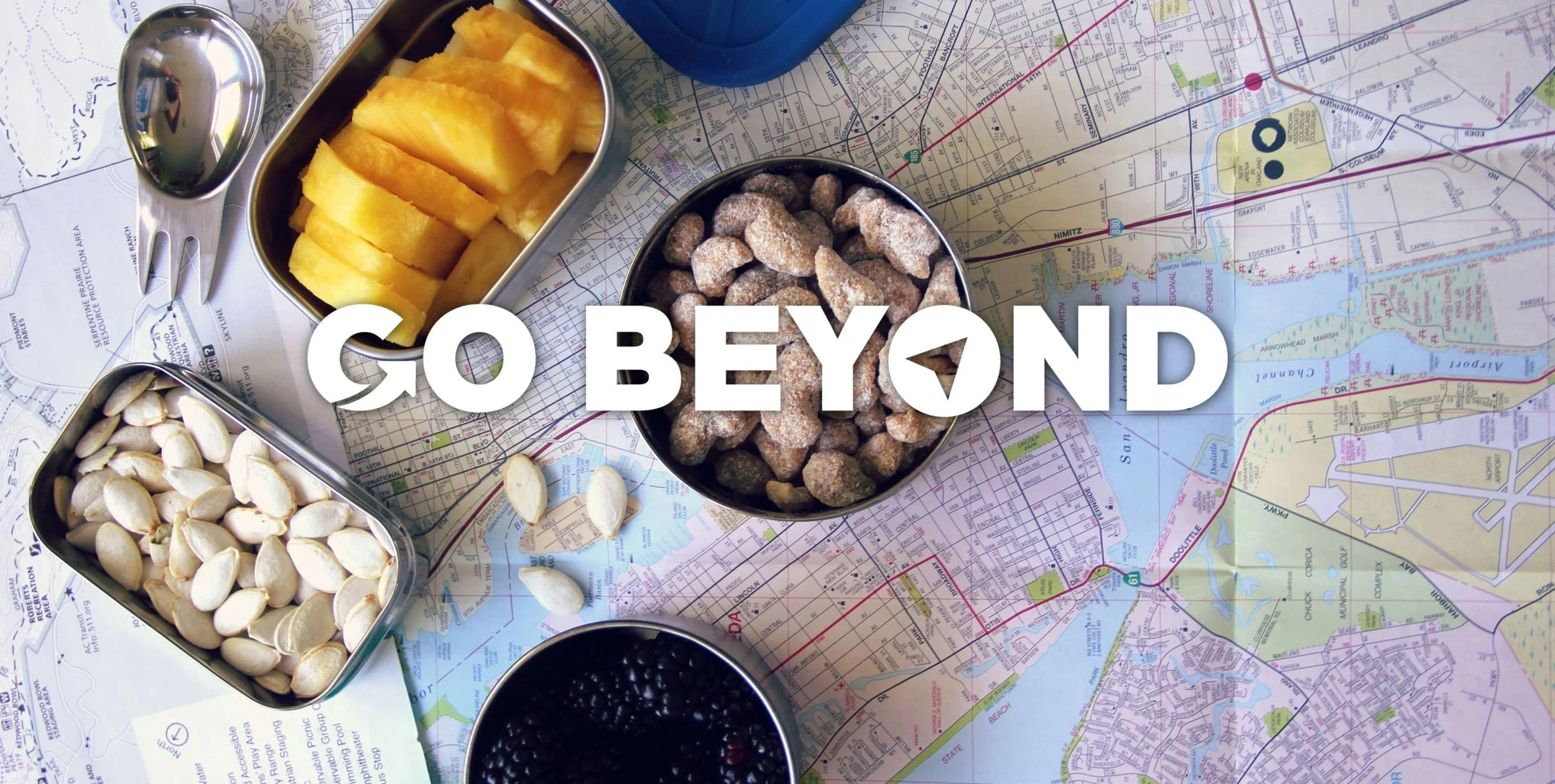
Original photo by Sandra Harris
What if the best meal on your trip isn't a reservation at a Michelin-starred restaurant but a morning pastry from a family bakery, a viral convenience-store snack, or a late-night street-cart specialty? In 2026, "snackpacking"—planning trips around small, hyper-local food finds—has graduated from foodie behavior to a named global travel trend. If you love discovering bites that make you feel like a local, you’re in the right place. This guide gives you practical, empathetic advice to plan a snackpacking trip that’s delicious, manageable, and genuinely memorable.
What is snackpacking (2026 framing)
Snackpacking is a travel-planning behavior where you design your itinerary around small, hyper-local food finds—street snacks, neighborhood bakeries, convenience-store oddities, and market counters—rather than single big-ticket dining events. In 2026, major travel reports have named snackpacking a core trend, reflecting a broader shift toward culture-forward micro-experiences: many small, rich interactions instead of one formal meal.
Why snackpacking matters—and why you might love it
Novelty: you get to try items not available at home—regional sweets, seasonal convenience-store releases, or street-special sauces.
Local impact: your spending goes directly to family-run stalls and neighborhood vendors.
Authenticity: everyday routines—morning pastries, afternoon market runs, late-night stalls—help you feel like a local.
Social and shareable: over 75% of Millennials and Gen Z are likely to seek out viral food items while traveling, turning discovery into itinerary anchors.
Where snackpackers eat (2026 trends data)
🌯 Street food / food carts: 69% of snackpackers visit these vendors.
🥯 Bakeries: 53% make bakeries a stop on their lists.
🍎 Grocery stores: 50% explore supermarkets and convenience stores for region-specific treats.
These numbers show that snackpacking isn't niche—it's the mainstream way many travelers now build days around food.
How to plan your snackpacking trip: step-by-step
1) 📃 Build your snack list before you go
Follow local food creators and tourism feeds on social platforms to spot viral items.
Make three tiers: must-try (viral/unique), nice-to-try (local favorites), backup (everyday staples).
2) 🗺️ Map snack trails, not just restaurants
Group stops by neighborhood to keep routes walkable. Think: morning bakery + mid-morning market + afternoon grocery-store finds + evening night-market crawl.
Use map pins or a route app to visualize realistic walking times and open hours.
3) 🧺 Embrace grocery-store tourism
Treat supermarkets and convenience stores like micro-museums: local chips, seasonal sweets, bento/ready-to-eat counters, and regional condiments reveal everyday flavor profiles.
4) 🍳 Prioritize vendor-first storytelling
Seek vendors with family recipes or visible prep rituals—these experiences are often the most memorable and support local heritage.
Ask permission before photographing and consider small purchases to show support.
5) ⏰ Time your day around openings and crowd patterns
Bakeries and morning stalls are best early; night markets come alive after dusk.
Viral-item lines can form quickly—arrive early or schedule the item for a lower-traffic day.
6) 💸 Budget and ordering strategy
Snackpacking is budget-friendly by design. Plan small purchases (US$1–$7 per snack in many places) and a flexible meal-to-snack ratio.
Share items to try more varieties without overeating.
7) 🥜 Safety, allergies, and dietary needs
Research common allergens and learn key phrases (e.g., "contains nuts", "is it dairy?").
When in doubt, opt for freshly cooked items and visible preparation. Carry basic medications if you have sensitivities.
Sample 2-day snackpacking micro-itinerary (city-agnostic)
Day 1: Morning bakery crawl → neighborhood market for snacks and condiments → late-afternoon grocery-store exploration → night-market street-food crawl.
Day 2: Local breakfast stall + vendor with a storied family recipe → street-cart dessert stop → small-plate sharing dinner at a neighborhood tavern (if you want a sit-down pause).
Swap or reorder stops depending on vendor hours, weather, and how many bites you can realistically enjoy.
Tools and tech that help
Map apps with custom pins (Google Maps lists, Apple Maps favorites).
Social platforms for discovery: short-form video and local hashtags are especially useful for viral items.
Local tourism sites and community food blogs for vendor histories and seasonal calendars.
Etiquette and responsible snackpacking
Buy something small if you photograph or linger at a stall.
Respect vendor rules about photos and peak-hours.
Reduce single-use waste—carry a reusable fork or napkin when practical.
Making snackpacking work for everyone
Families: pace the day and substitute sit-down breaks between snack stops.
Dietary restrictions: identify a few trusted vendors in advance and use translation cards for allergies.
Slow travel: extend a neighborhood snack trail across multiple days to dig deeper and support the same vendors more meaningfully.
Storytelling and lasting value
Snackpacking is about more than tasting; it's about collecting moments: the vendor who wakes before dawn to bake, the grandmother's sauce recipe, the convenience-store release that explains a region's snack culture. These micro-stories are powerful travel memories—and great content if you share them responsibly.
(Trend confirmation and data referenced from major 2026 travel reports and coverage.)
Snackpacking is a 2026 travel trend that turns small bites into the backbone of a richer travel experience—more encounters, more local impact, and a travel day built around discovery rather than reservations. If thinking about logistics, crowds, or how to find authentic vendors feels overwhelming, that’s completely normal—and exactly why travel planning help is valuable. Ready to ditch rigid dinner plans and design a delicious, spontaneous snackpacking adventure tailored to your tastes? Contact Go Beyond Travel for a personalized consultation and let our agents map your perfect neighborhood snack trails.
#Snackpacking #StreetFood #TravelTrends #FoodieTravel #AuthenticExperiences
📦 Key Takeaways
Snackpacking (2026): itineraries built around hyper-local snacks—street carts, bakeries, convenience stores, and grocery-market finds.
Primary adopters are Millennials and Gen Z, heavily influenced by viral food trends and social media discovery.
Top snackpacking venues (2026 data): street food/food carts 69%, bakeries 53%, grocery stores 50%.
Over 75% of Millennials and Gen Z say they’ll hunt down viral food items on trips—turning snack lists into mapped routes.
Practical angles for 2026: neighborhood snack trails, grocery-store tourism, and vendor-first storytelling for authentic experiences.
