
Trains, Tips, and Tradition: Navigating Austria Like a Pro
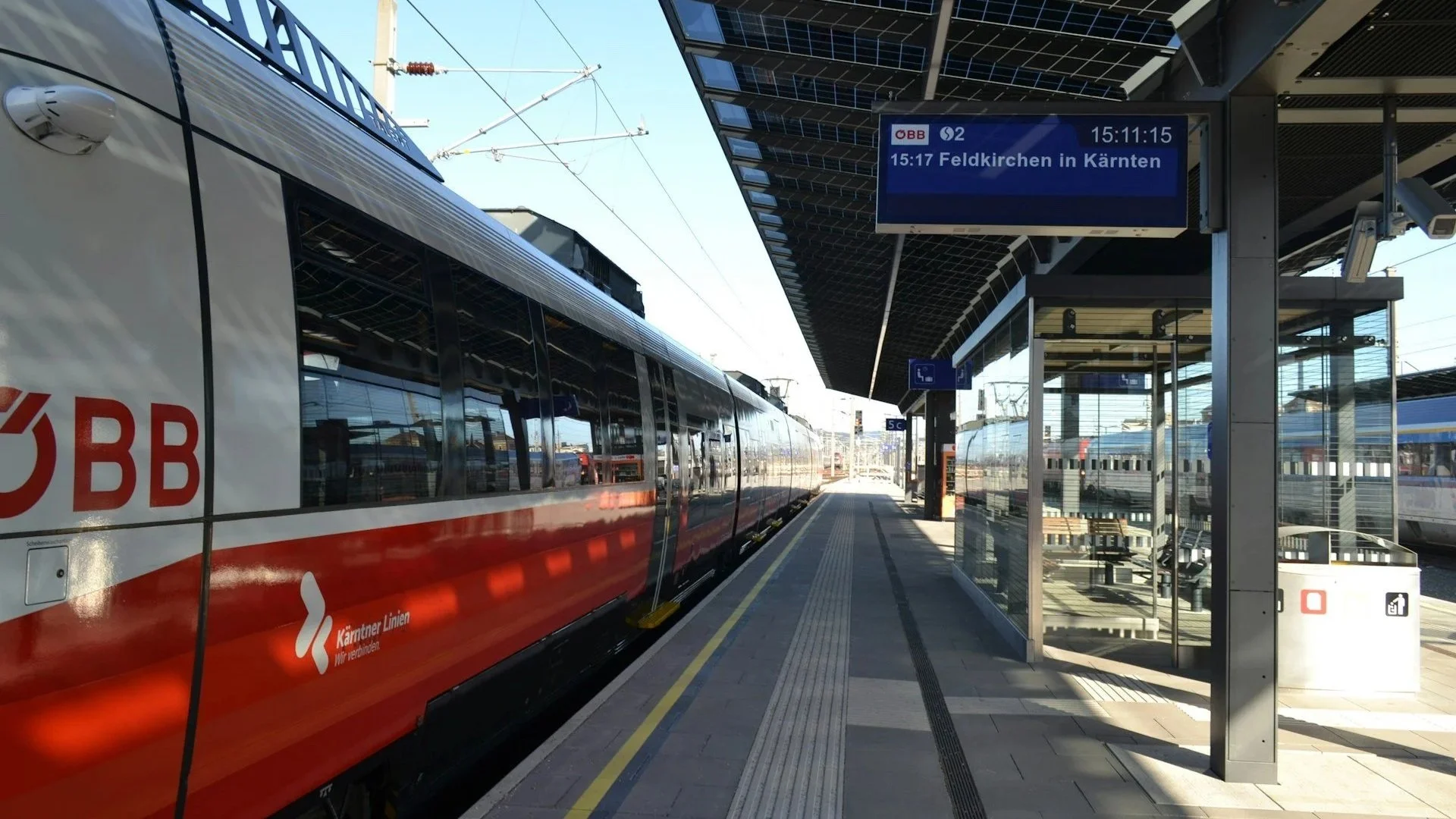
Photo by viktor rejent
Ready to trade traffic jams for mountain tunnels and cultural riches? In 2026, Austria’s rail network is your best route to stress-free, car-free travel across the Alps. This guide gives you the practical, up-to-date advice you need—timelines, rail routes, festival timing, cash tips, and simple planning tools—so you can focus on scenery, coffee, and fantastic hikes instead of logistics.
Why rail is the smart choice for 2026
Traveling Austria by train in 2026 is especially convenient. ÖBB offers frequent intercity connections (Railjet/Railjet Xpress and ICE/EC on key corridors), integrated ticketing, and excellent trip planning tools—use ÖBB “SCOTTY” and the ÖBB app for live timetables and mobile tickets. With major infrastructure upgrades (Koralm Railway entering full commissioning with the 2026 timetable), expect even better south–north connectivity.
The must-ride: Arlberg Line and what you'll see
The Arlberg Line (Arlbergbahn) is one of Europe’s most scenic alpine rail crossings, linking western Austria (Vorarlberg) with Tyrol.
Common route highlights: Zurich → Innsbruck → Salzburg/Vienna. Expect sweeping mountain valleys, dramatic approaches to the Arlberg Pass, and the historic Arlberg Tunnel (10.2 km; opened 1884).
Pro tip: pick a daytime train for the best views—seat on the side facing the mountain valley approaches when possible.
Planning essentials for 2026 travel
Timetables and tickets
ÖBB’s 2026 timetable goes into effect 14 December 2025 and tickets for travel under that timetable are on sale now—plan and buy early for high-demand dates.
Use SCOTTY and the ÖBB app for planning and to store mobile tickets.
Expect service improvements tied to the Koralm Railway commissioning, improving travel options across southern Austria in 2026.
Entry rules to watch: ETIAS
ETIAS is expected to start operations in the last quarter of 2026. If you are visa-exempt (e.g., U.S., UK, Canada, Australia), you will likely need an approved ETIAS authorization for travel to Austria/Schengen late in 2026—check and apply months ahead of travel.
Peak events to avoid last-minute stress
Salzburg Festival (a major driver of demand) runs 17 July–30 August 2026. If you’re traveling during those dates, book trains and hotels well in advance.
Consider shifting dates or booking refundable fares if your trip overlaps peak festival weeks.
On-the-ground practicalities
Ruhetag and shop hours
In Austria most shops are closed on Sundays (Ruhetag); many close earlier Saturday afternoons. Plan grocery, pharmacy, and provisioning on weekdays or Saturday afternoon.
Exceptions: shops at major train stations or airports, some bakeries, and tourist-focused outlets may be open—but don’t rely on them in smaller towns.
Cash, cards, and mountain huts
Contactless cards are widely accepted in towns and cities, but mountain huts in Tyrol and remote alpine huts often prefer or require cash due to connectivity limits. Bring enough cash for hut meals/drinks plus a buffer; don’t assume an ATM will be nearby at trailheads or in small valleys.
City cards and budget convenience
City cards (for example, the Salzburg Card) can simplify logistics by bundling attraction entry and local transport. Salzburg Card pricing for 2026 is published with seasonal tables (high season Apr–Oct vs low season Jan–Mar & Nov–Dec)—check the official rates when budgeting.
A sample 7-day Austria by rail (car-free inspiration)
Day 1: Arrive in Zurich (or Munich) and take a Railjet/Railjet Xpress toward Innsbruck—enjoy the Arlberg approaches.
Day 2–3: Innsbruck—alpine town walks, short hikes, and Tyrolean culture. Use a day to ride the scenic Arlberg valley train if you like.
Day 4–5: Salzburg—museums, Mozart sites, fortress views. If traveling mid-July to August, note Salzburg Festival crowds and book ahead.
Day 6–7: Vienna (or head south using improved connections via the Koralm corridor if you’re exploring Styria/Carinthia).
This is flexible—ÖBB’s frequent intercity services make it easy to add day trips or swap cities.
Booking and timetable tips (quick checklist)
Buy 2026-timetable tickets early—ÖBB’s 2026 timetable has been in effect since 14 Dec 2025 and tickets are on sale.
Use ÖBB SCOTTY for regional connections and the ÖBB app for mobile boarding passes.
Reserve seats for festival periods (Salzburg Festival: 17 July–30 August 2026).
Keep an eye on ETIAS timelines if your trip is late 2026—apply before travel if required.
Packing & small-prep checklist
Cash: enough for mountain huts + small purchases in villages.
Payment card with contactless capability and one backup card.
Lightweight daypack, rain shell, layered clothing for alpine weather.
Portable charger and a screenshot of any mobile tickets (in case of spotty service).
Local map or offline map app and ÖBB SCOTTY downloaded.
Helpful mindset for stress-free travel
You don’t have to be perfect—plan the big things (tickets, festival dates, entry authorizations) and keep a small buffer for the rest. The rail network and clear local customs (like Ruhetag and cash for huts) mean a little forethought goes a long way toward an easy, memorable trip.
Austria by rail in 2026 is both beautiful and manageable if you plan a few essentials: buy tickets under the 2026 timetable early, watch festival dates and ETIAS timing, carry some cash for the mountains, and use ÖBB tools for real-time planning. If you want a stress-free, tailored itinerary—from Arlberg panoramas to Salzburg’s festival stages—contact Go Beyond Travel for a personalized consultation. Travel with ease across the Alps: message our team for a stress-free booking experience, and read our other posts for more packing and transit hacks!
#TravelAustria #AustriaTips #TrainTravel #SmartTravel #EuropePlanning
https://infrastruktur.oebb.at/en/partners/transportlogistic/koralmbahn
https://www.salzburg.info/en/salzburg/salzburg-festival/salzburg-festival
https://www.salzburg.info/en/hotels-offers/salzburg-card/prices
https://www.tyrol.com/activities/sport/hiking/tirol-mountain-hut-ethics-for-dummies
https://www.seat61.com/trains-and-routes/zurich-to-innsbruck-via-the-arlberg-railway.htm
📦 Key Takeaways
Reliable Transit: Use ÖBB (Railjet/ICE) for car-free travel; track schedules and buy mobile tickets via the ÖBB SCOTTY app.
Scenic Routes: The Arlberg Line offers iconic views between Zurich and Vienna, featuring the historic 10.2 km Arlberg Tunnel.
Sunday Closures: Shops close for Ruhetag (Sunday) and early on Saturdays; stock up on essentials and groceries in advance.
Cash is King: Carry physical Euros in the mountains; many Tyrol huts do not accept cards, and ATMs are rare.
2026 Timetable: Book now for travel after Dec 14, 2025, to benefit from the new Koralm Railway connections in the south.
Peak Season: Secure trains and hotels early for the Salzburg Festival (July 17 – August 30, 2026) to avoid sell-outs.
