
Beyond the Schnitzel: A Foodie’s Guide to Austrian Flavors
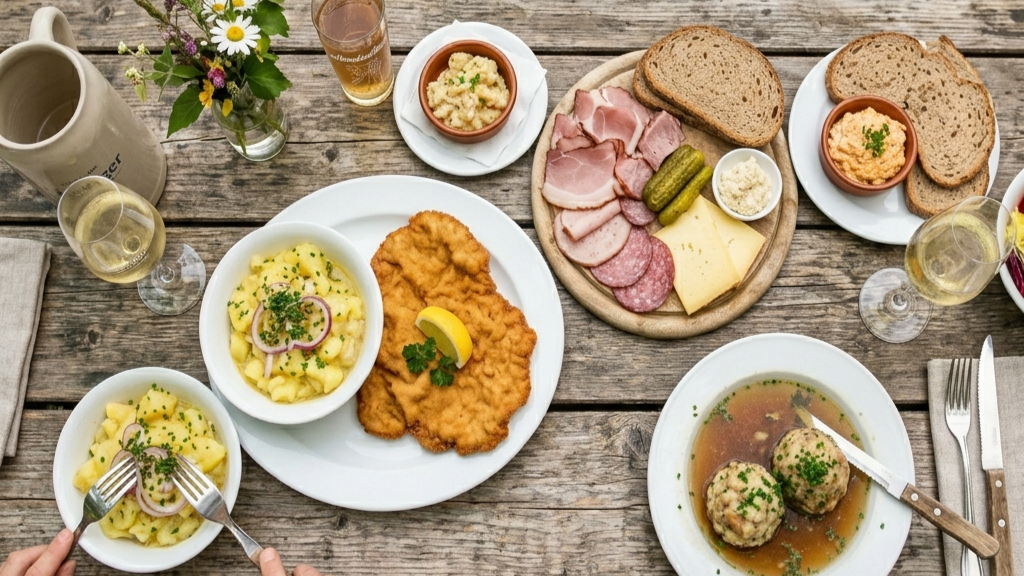
You came for schnitzel and stayed for the coffee — and that’s exactly how Vienna works its magic. In 2026 the city’s culinary calendar is pulsing (think Vienna Bites, VieVinum and the Genuss-Festival), but travel this year also means new border rules to plan for. This guide helps you taste Vienna’s signature dishes, sip at genuine Heurigen, and navigate 2026 travel logistics so your trip feels easy, delicious and unforgettable.
Why 2026 Is a Flavorful Year to Visit Vienna
If food is the reason for your trip, 2026 lines up beautifully. The Vienna Tourist Board has curated a “Vienna Bites” program of events, tours and hands-on courses that spotlights the city’s culinary craft. Add VieVinum (16–18 May 2026 at the Hofburg) — Austria’s major wine trade fair — plus the Genuss-Festival in Stadtpark, and you’ve got stacked opportunities to pair great wine with classic Viennese cooking.
Practical note: 2026 also brings travel administration changes that affect arrival times. The EU Entry/Exit System (EES) is fully operational as of 10 April 2026, meaning biometric registration for non-EU short stays (facial image and fingerprints). Expect longer border processing during transition periods and allow extra time at airports. ETIAS for visa-exempt travelers is expected in late 2026 — monitor official guidance as you finalize plans.
🍽️ Signature Dishes to Anchor Your Trip
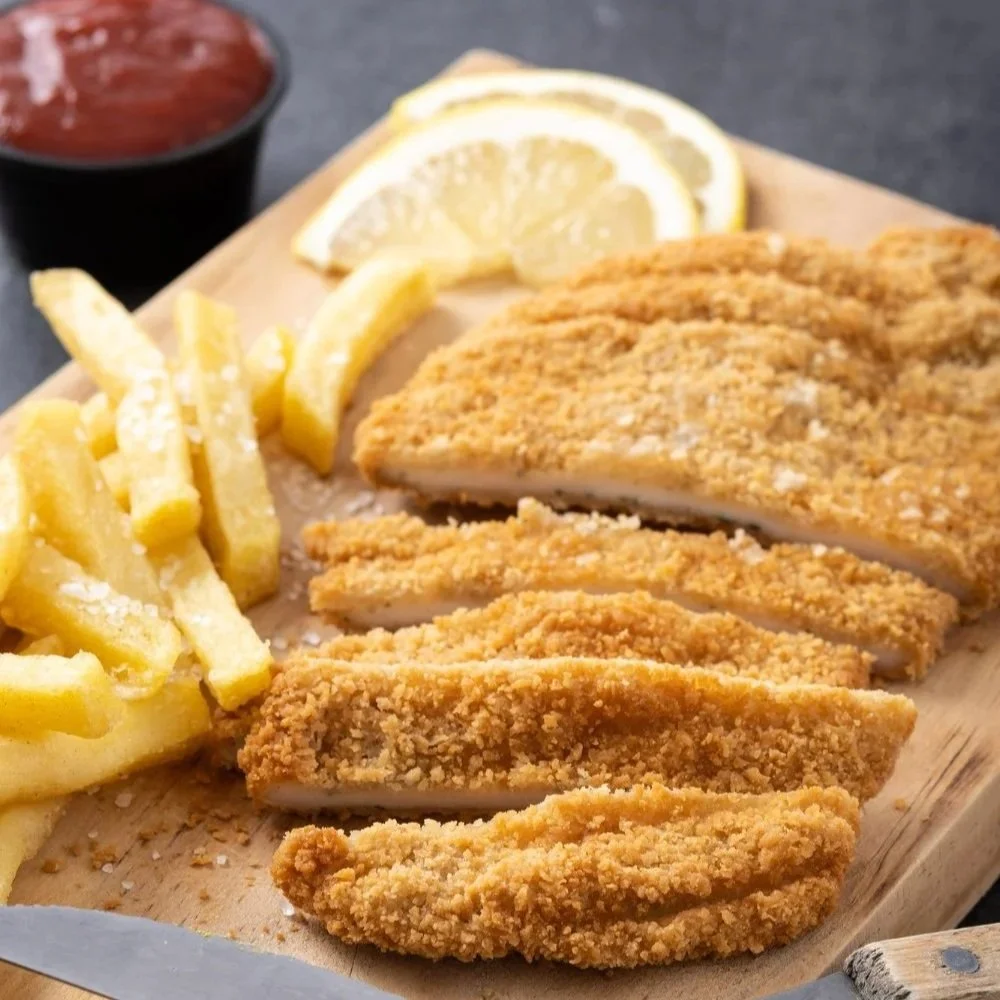
Wiener Schnitzel — the law says veal
Wiener Schnitzel isn’t just a menu item, it’s legally protected terminology in Austria: a true Wiener Schnitzel must be made from veal. If a restaurant serves pork, the dish will usually be listed as “Wiener Art” or “vom Schwein.” Try it in a classic setting and notice the crispy, lightly breaded exterior paired with a simple lemon wedge.
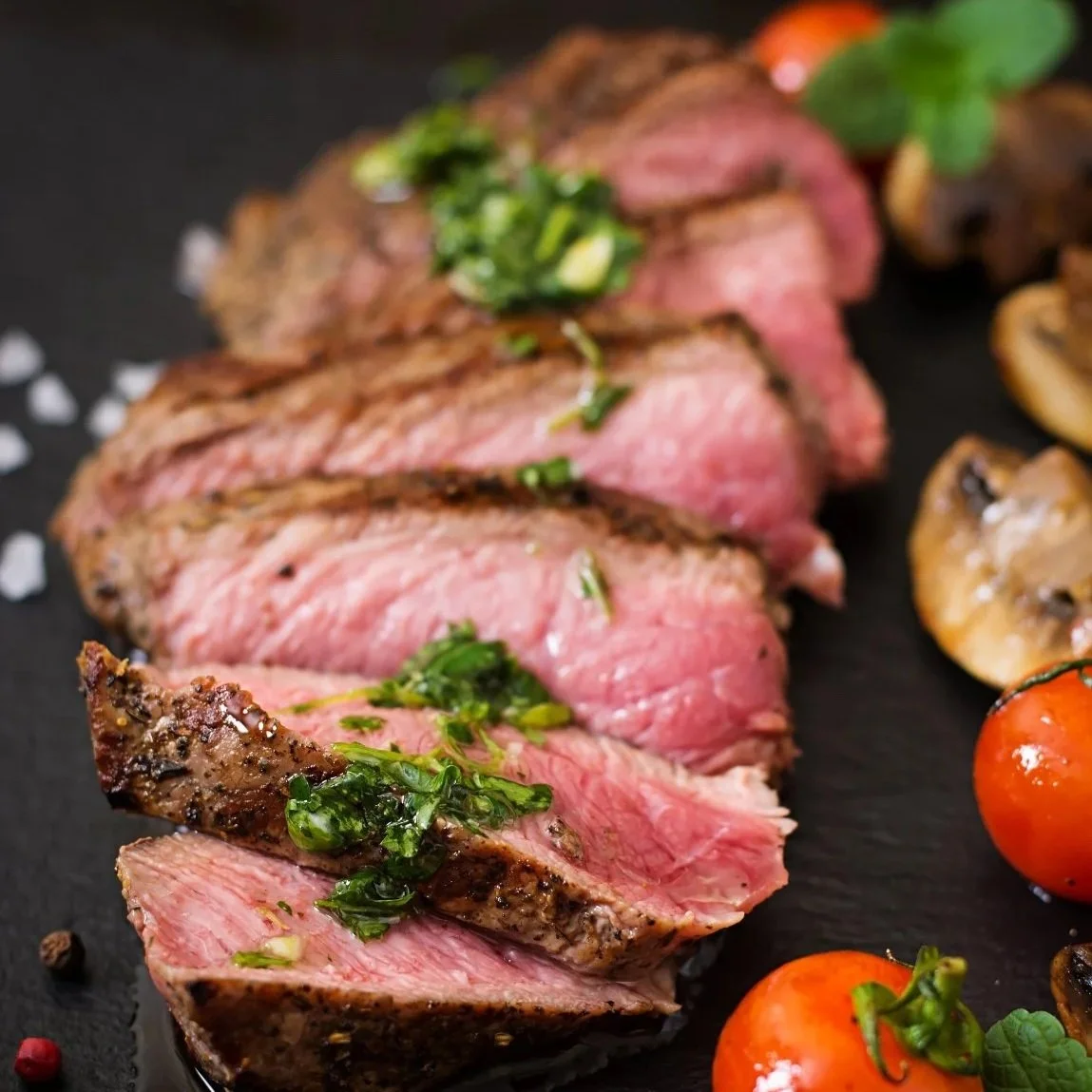
Tafelspitz — imperial boiled beef
Tafelspitz (boiled beef) carries a strong 19th-century Vienna legacy. The dish is associated with imperial dining and is repeatedly linked to Emperor Franz Joseph as a popular favorite. Expect tender, subtly seasoned beef served with roasted potatoes or knödel and a selection of traditional sauces.
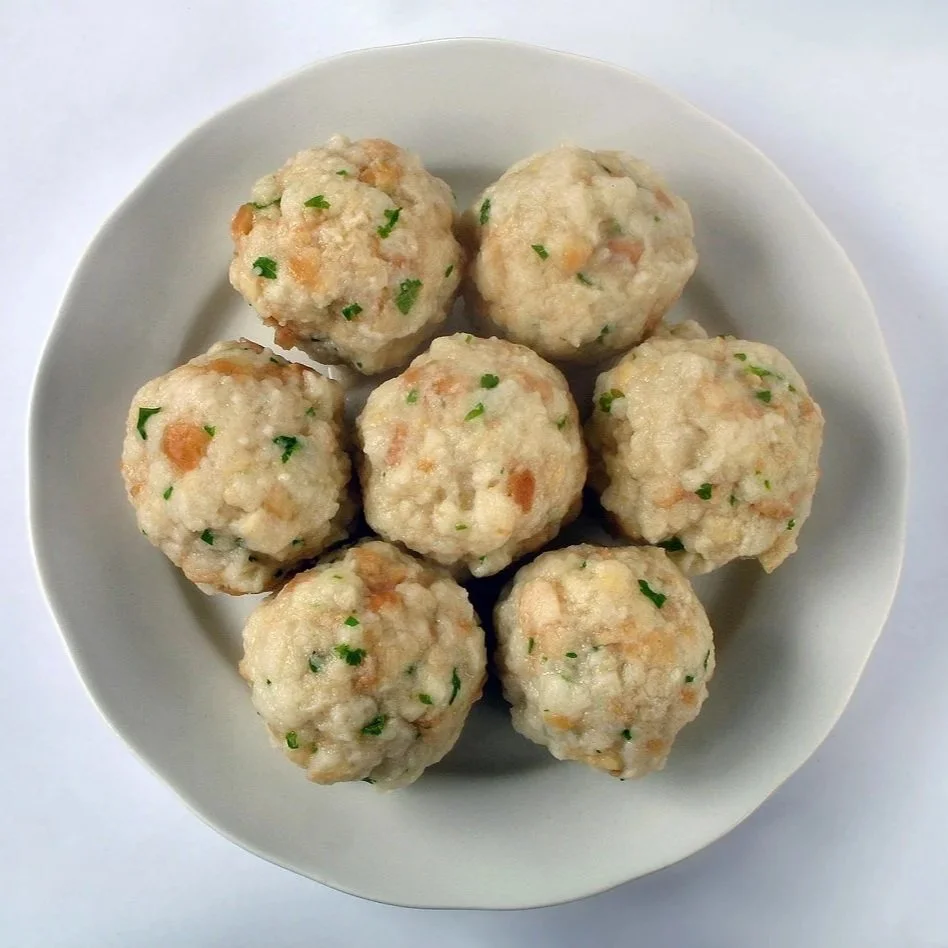
Photo by Kobako
Knödel — Central Europe’s comforting dumpling
Knödel (dumplings) are a cross-border staple across Central Europe. In Vienna you'll commonly find bread-based versions like Semmelknödel or Serviettenknödel served alongside roasts and rich sauces — a great example of shared culinary traditions when your itinerary focuses on Vienna but reaches into wider Central European flavors.
Coffeehouses: Ritual, Pastry and Time to Linger
Viennese coffeehouse culture is officially recognized on Austria’s national inventory of intangible cultural heritage (added in 2011). The experience is a ritual: marble-topped tables, Thonet chairs, newspaper tables and the social permission to linger. Must-try pairings include the Original Sacher-Torte (linked to Hotel Sacher) and warm Apfelstrudel with whipped cream. Give yourself time here — these cafés are designed for slow enjoyment, reading and conversation.
Heuriger: Rustic Wine Taverns and Local Flavor
For a more rustic, local evening, seek out a genuine Heuriger. Look for two classic signals that tell you the tavern is open: a freshly hung pine bough and the sign “Ausg’steckt.” Vienna frames Heurigen as part of its culinary identity, tied to vineyards on the city’s outer edges — think Nussdorf, Grinzing, Neustift am Walde and Stammersdorf. Expect simple, hearty food meant to be shared with local wine by the glass.
Practical 2026 Travel Tips
Border processing: Because the EES becomes fully operational on 10 April 2026, non-EU short-stay travelers will undergo biometric checks (facial image and fingerprints). Build extra time into arrival/departure schedules at airports and border points.
ETIAS watch: ETIAS is not yet operational; authorities expect it in late 2026. If your trip is late in the year, check official channels before you travel.
When to go: Shoulder seasons (spring and autumn) still offer the best balance of pleasant weather, manageable crowds, and access to café seats and Heuriger tables. Summer is busiest; Advent markets create a winter peak.
Reservations & timing: For Vienna Bites events, VieVinum and popular coffeehouses or historic restaurants, book ahead — 2026 programming may concentrate demand.
A Simple One-Day Vienna Food Loop (ideas to personalize)
Morning: Start at a traditional coffeehouse. Order a Melange and a slice of Sachertorte or Apfelstrudel, and give yourself an hour to read or people-watch.
Midday: Find a neighborhood Gasthaus for Tafelspitz or a well-made Wiener Schnitzel (double-check the menu wording if you want veal).
Afternoon: Take a short tram or U-Bahn ride to one of Vienna’s vineyard villages — Grinzing or Nussdorf — and wander a Heuriger. Look for the pine bough and the “Ausg’steckt” sign.
Evening: If your visit coincides with Vienna Bites events, the Genuss-Festival or VieVinum (16–18 May 2026), add an evening tasting or festival stop to sample Austrian wines and small plates.
If planning all the details feels like a lot, that’s normal — and solvable. Tailoring your meals, reservations and timing to match 2026’s special programming and border rules is where local expertise saves time and stress.
Vienna in 2026 offers a delicious mix of timeless rituals and new culinary programming — from legally protected Wiener Schnitzel and imperial Tafelspitz to UNESCO-recognized coffeehouse life and authentic Heuriger evenings. With EES fully operational from 10 April 2026 and ETIAS expected later in the year, a little planning makes your food-focused trip smooth and joyful. Ready to taste Vienna without the planning headaches? Contact Go Beyond Travel for a personalized consultation to craft your perfect culinary itinerary — and tell us which dessert has your sweet tooth calling.
#AustrianCuisine #CoffeeHouse #Schnitzel #ViennaEats #FoodieTravel
https://www.wien.info/en/travel-info/arrival-departure/entry-procedure-entry-exit-system-ees-924966
https://www.austria.info/en-gb/planning/entry-and-customs-regulations/
https://www.eeas.europa.eu/eeas/coming-visa-free-country-and-travelling-europe_en
https://www.wien.info/en/dine-drink/wine/viennese-heurige-347736
https://www.wien.info/en/dine-drink/viennese-cuisine/boiled-beef-784360
📦 Key Takeaways
Wiener Schnitzel is legally protected in Austria and must be made from veal; pork versions will be labeled differently on menus.
Tafelspitz (boiled beef) is a Vienna classic with imperial roots tied to Emperor Franz Joseph.
Vienna's coffeehouse culture is listed on Austria’s national inventory of intangible cultural heritage (recognized in 2011) — lingering is part of the ritual.
A genuine Heuriger signals it’s open with a pine bough and the sign “Ausg’steckt”; nearby wine villages like Grinzing and Nussdorf are great visits.
Important 2026 travel notes: the EU Entry/Exit System (EES) is fully operational from 10 April 2026 — expect biometric checks and allow extra time at borders; ETIAS is expected in late 2026 (watch for official updates).
Vienna Bites, VieVinum (16–18 May 2026) and the Genuss-Festival make 2026 especially appealing for food-and-wine travelers.
