
Tuna, Turmeric, and Traditions: A Guide to Authentic Maldivian Cuisine
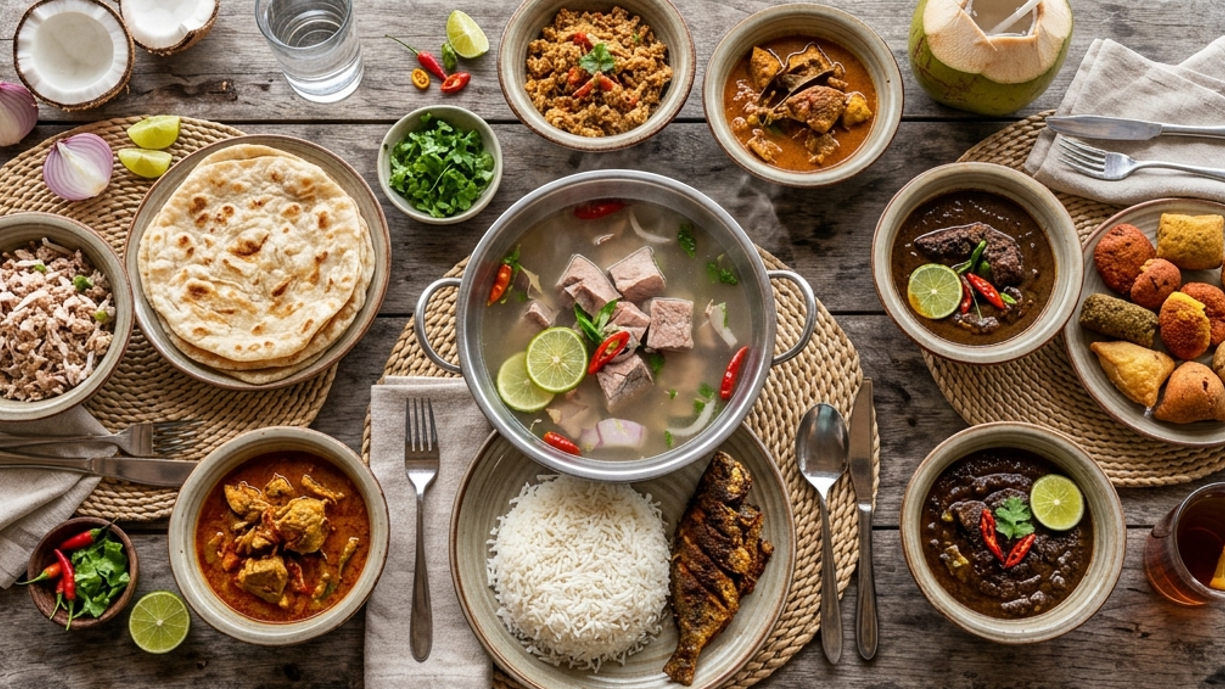
Tuna, turmeric and traditions meet tomorrow: if you want a Maldives trip that feeds both your appetite and your curiosity, 2026 is shaping up to be the year to plan around food-led experiences. You’ll find chef residencies, island-foraged menus and the iconic underwater dinners — but you’ll also need to time bookings, IMUGA forms and seat-limited events carefully. This guide helps you turn inspiration into a practical plan for a culinary escape to Baa Atoll and beyond.
Why 2026 is special for food-focused travel in the Maldives
If you’re chasing authentic island flavours and unique dining theatre, 2026 is a rich year to travel. Resorts are productizing hyper-local foraging and island supply chains for storytelling-led menus — especially in Baa Atoll’s UNESCO Biosphere Reserve, where conservation and cuisine are being woven together. At the same time, chef-residency calendars and Michelin-star pop-ups are expanding as headline experiences across the Maldives.
What to expect from the dining program scene
Rotating chef pop-ups and multi-date guest-chef series are standard marketing formats in 2026. Example programming like Diamonds Resorts’ “Dining with the Stars 2026” shows how resorts run multi-week chef residency windows (Jan–Apr 2026 style schedules).
Michelin-star residencies continued to accelerate in 2026 (for example, Sun Siyam Iru Fushi hosted a Michelin-star chef residency in April 2026), which means top chefs are increasingly available for limited-seat dinners in the Maldives.
Practical takeaway: plan reservations several months in advance, and watch resorts’ culinary calendars for announced chef windows.
Underwater dining — what’s changed for 2026
Underwater restaurants are still a Maldives-only must-do for many travelers, but 2026 guides emphasize marine-life sensitivity much more than in earlier years. Key considerations for your planning:
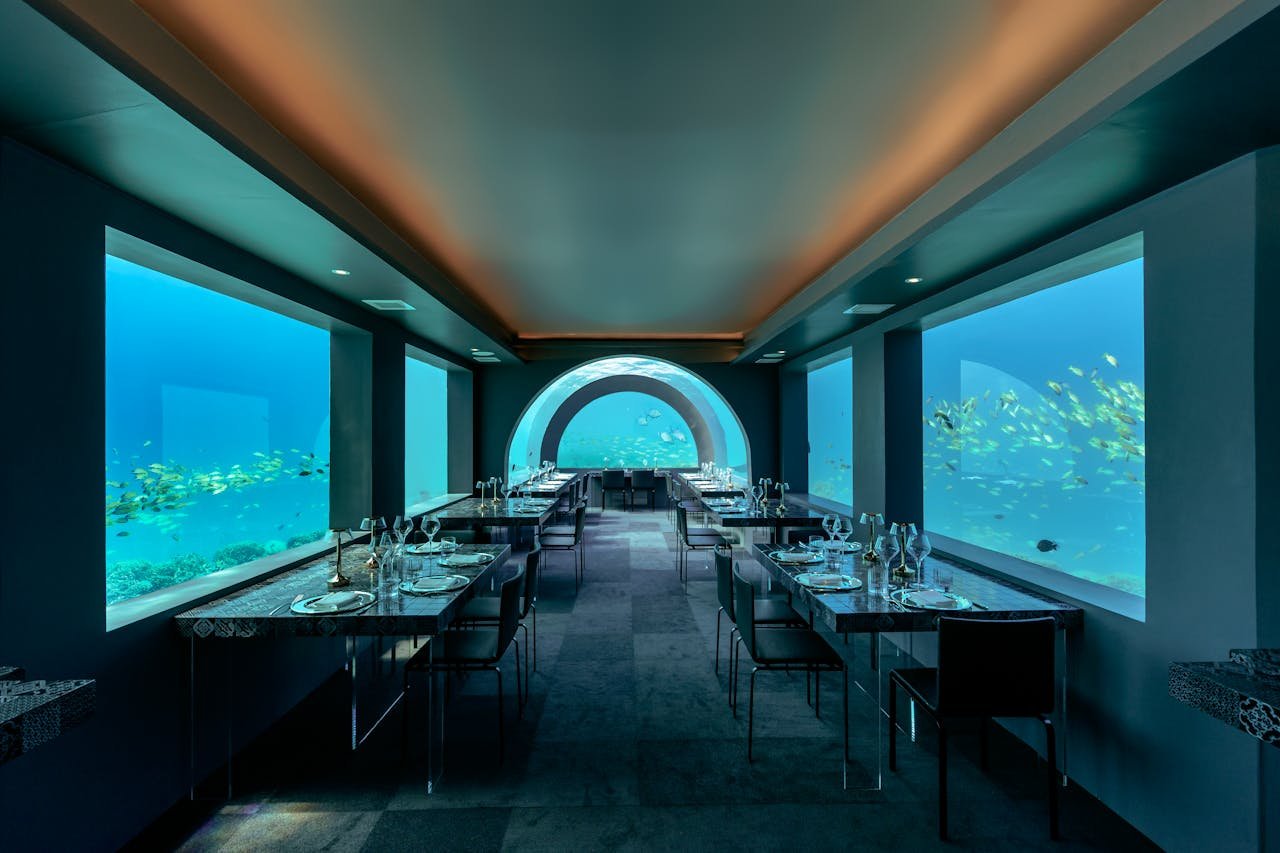
Photo by Asad Photo Maldives
Seating and timing: most underwater venues have limited seating and run daytime and evening seatings with different viewing experiences; book early.
Visibility seasons: underwater viewing varies by season and location — ask about visibility windows when you book your table.
Marine sensitivity: expect resorts to stress low-impact lighting, restricted guest behavior and sometimes seasonal closures or seat caps to protect marine life.
Note on “Living Reef” underwater dining: the idea of structures designed to feed or support reef life is an exciting development, but it is not yet widely documented as a branded, specific venue in the Maldives. Treat “Living Reef” as an emerging or resort-specific approach and ask resorts for primary documentation if this is a must-have for your itinerary.
Planning checklist — timing, visas and traveler admin (2026 specifics)
✔️ IMUGA Traveller Declaration: commonly required within 96 hours before arrival (and again before departure). Complete this on schedule to avoid delays.
✔️ Visa: most nationalities receive a free 30-day visa on arrival for leisure travel; extension options exist but verify current rules.
✔️ Passport validity: Maldives policy often states a minimum of 1 month validity, but many airlines still enforce a 6-month rule — confirm with your airline before you book flights.
✔️ Visa-extension process (April 2026 update): industry reports indicate a move toward 48-hour online approval for visa extensions beginning in April 2026 — treat this as tentative and verify with Maldives Immigration/IMUGA before relying on it.
How to choose the right culinary residency or experience for you
🪸 Match your interests
Forage-based, conservation-led menus: prioritize resorts in Baa Atoll and properties that advertise island-supply chains and chef-led foraging.
Michelin/celebrity chef pop-ups: look for published residency dates and limited-seat dinners; examples in 2026 confirm these programs are active across the Maldives.
Underwater dining: pick based on visibility-season, whether you prefer daytime marine-viewing or dramatic nighttime dinners, and the venue’s marine-sensitivity policies.
❓ Ask these questions when you book
Where do the ingredients come from? Is foraging done in partnership with local communities or marine biologists?
What is the exact seating capacity and cancellation policy for the chef residency pop-up or underwater dining seating?
How does the resort manage marine sensitivity (lighting, noise, guest behavior)? Do they have partnerships with restoration or monitoring programs?
Can you provide primary documentation or blueprints if the resort markets a “Living Reef” or reef-positive structure?
Practical travel timing and booking tips
Book culinary residencies and signature dinners at least 3–6 months ahead for peak-season travel; for very popular residencies, 6–12 months is safer.
Reserve underwater dining tables as soon as your resort stay is confirmed — many venues sell out weeks or months in advance.
Coordinate your flights, seaplane transfers and resort arrival so you’re not arriving the same day as a limited-seat dinner (you want buffer time for delays).
If you’re focused on Baa Atoll specifically
Baa Atoll’s UNESCO Biosphere Reserve offers a strong conservation framing that dovetails with hyper-local foraging and reef-aware dining. If you have specific resorts in mind (for example: Four Seasons Landaa Giraavaru, Anantara Kihavah, Soneva Fushi, Milaidhoo), ask us to run a targeted check on 2026 chef-residency dates and any claims about reef-positive underwater dining structures — these claims often need resort-level confirmation.
The Maldives in 2026 offers more than postcard-perfect lagoons — it’s a living culinary landscape where tuna tartare meets island foraging, and Michelin-calibre chefs share limited-seat tables in intimate, marine-aware settings. As you plan, prioritize direct confirmation of residency dates and reef-positive claims, complete your IMUGA Traveller Declaration within 96 hours of travel, and check passport and airline rules early. Ready to match your palate to the perfect island residency? Contact Go Beyond Travel for a personalized consultation to lock dates, seats and sustainable experiences tailored to your travel window — and leave a comment with your favourite island flavour. Contact Go Beyond Travel to start planning your culinary Maldives escape.
#MaldivesEats #HyperLocal #UnderwaterDining #FineDining #FoodieTravel
📦 Key Takeaways
Baa Atoll’s UNESCO Biosphere Reserve makes hyper-local foraging and conservation-framed ‘island-to-plate’ dining a standout 2026 trend.
Chef residencies and Michelin-star pop-ups are accelerating across the Maldives in 2026 — reserve early, they sell out.
Underwater dining remains a Maldives signature; expect limited seating, visibility-season differences and strict marine-sensitivity practices.
Complete your IMUGA Traveller Declaration within 96 hours before arrival (and again before departure); confirm passport-validity with your airline.
Visa on arrival is typically a free 30-day entry, with a tentative April 2026 change promising faster 48-hour online visa-extension approvals (verify with Maldives Immigration).
Ask resorts direct questions about ‘reef-positive’ design — the specific “Living Reef” concept isn’t widely documented and needs confirmation from resort or marine partners.
