
Why Travelers Are Trading Luxury Goods for Skill‑Sharing Trips & Cultural Workshops
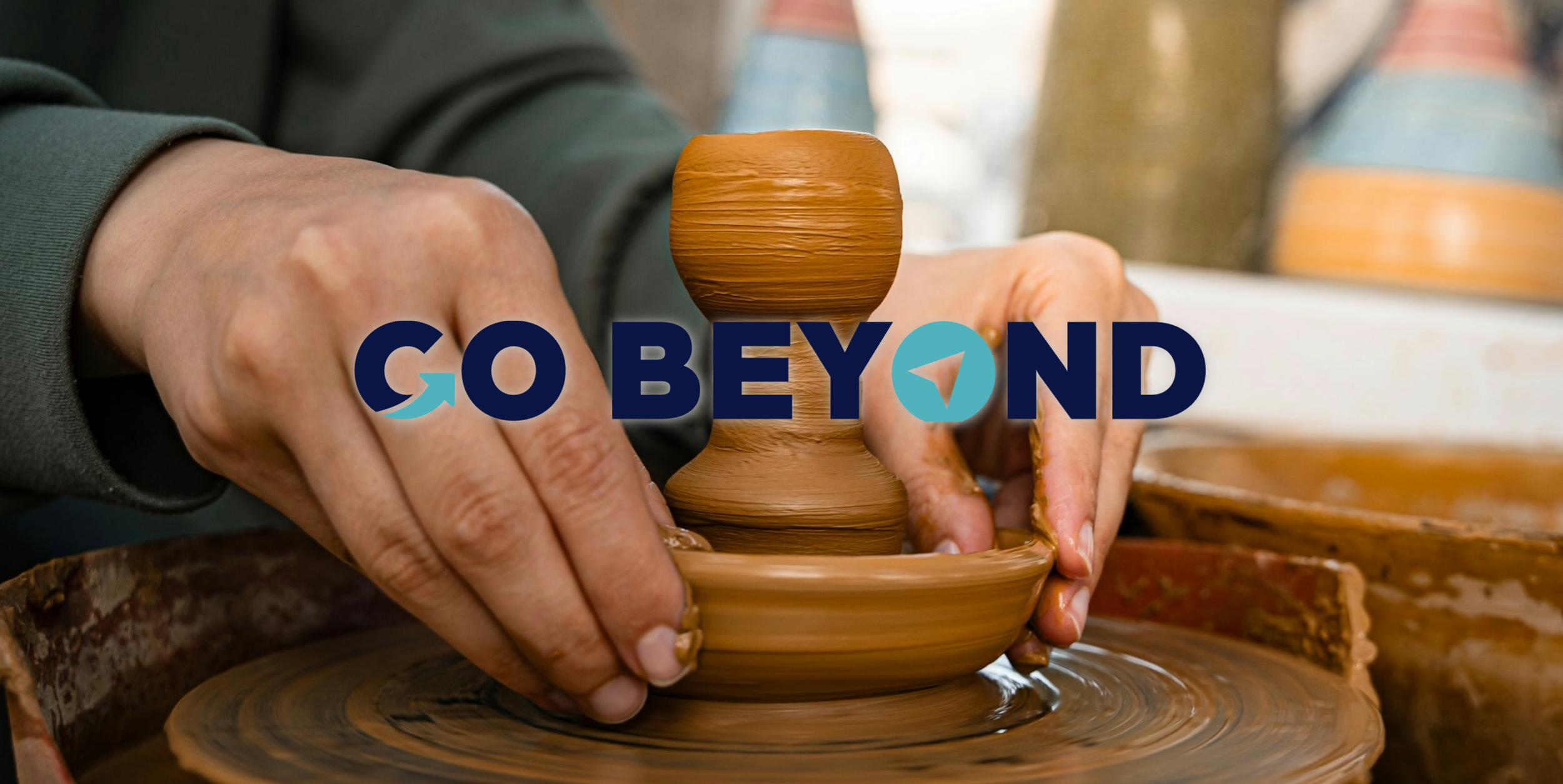
Original photo by Yasin Onuş
If buying less and learning more feels like your next splurge, you’re part of a growing movement. In 2026 travel is no longer just about ticking boxes — it’s an identity statement. You want journeys that shape who you are, not just where you’ve been. This guide shows why hands‑on, skill‑sharing travel is rising now, how it delivers long‑lasting value, and the practical steps to plan a meaningful workshop trip in 2026 without the overwhelm.
Why 2026 Is the Year to Invest in Experiences
Travel research and industry forecasts point to a shift: journeys are being chosen as a form of self‑expression. Booking.com frames 2026 travel as "a reflection of who people truly are," and Expedia’s Unpack ’26 describes travel as a new kind of currency — a way to broadcast values and passions through local, meaningful experiences. That means you’re less likely to collect luxury goods and more likely to collect skills, stories, and objects with provenance.
Cultural workshops are mainstreaming
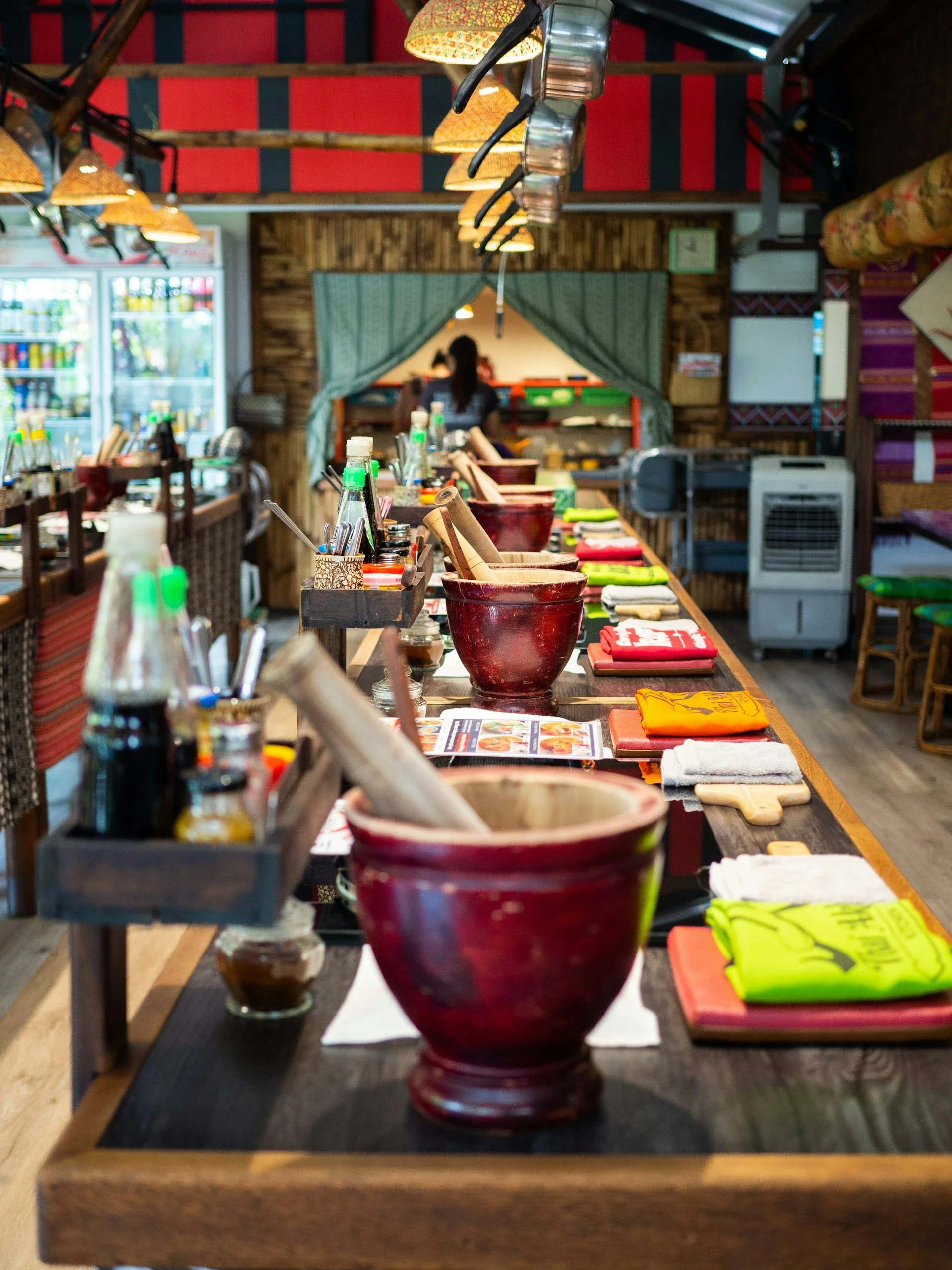
Photo by Yoav Aziz
Multiple authorities — from Condé Nast Traveler to National Geographic — report an uptick in hotels and trip designers embedding master‑artisan sessions and hands‑on craft programming into itineraries. Think pottery, natural dyeing, forging, printmaking, and traditional weaving taught by local makers. These are not one‑off demonstrations; they are participatory sessions where you practice, fail, refine, and leave with something you helped create.
Analog skills + mental reset 🧠
Amid screen fatigue, the resurgence of analog hobbies (knitting, embroidery, journaling, handcrafts) documented in industry reports has created a receptive audience for skill‑sharing travel. You’re traveling to disconnect, create, and bring a new capability home—something that lasts longer than a souvenir T‑shirt.
Where to Go: Why Secondary Cities and Smaller Communities Work Best

The momentum away from over‑visited hotspots is accelerating. Research shows accommodation searches in Asia’s secondary destinations grew 15% faster than major hubs; many travelers cite lower costs (43%) and authenticity as drivers. For workshop travel this is a perfect fit: smaller towns tend to host living artisans, community studios, and slower rhythms that let you practice and bond with local makers.
Examples of 2026 supply meeting demand:
Handwork: Celebrating American Craft 2026 — a nationwide initiative with exhibitions, workshops, and festivals throughout 2026 that highlights institutional support for the handmade.
Hands‑On‑History: Traditional Crafts Festival (Red Mill Museum Village, NJ) on April 25, 2026 — live demos and participatory sessions (blacksmithing, weaving, basketry, lace‑making).
Money Matters: Getting the Most Value from a Skill‑Based Trip
Economic signals for 2026 are clear: airfare is projected up modestly (~1.1%) while hotel average daily rate (ADR) may rise more (~4.9%). That means you should prioritize itineraries that give you lasting value. A workshop that teaches a craft, supplies provenance, and connects you to a maker yields identity capital that feels "worth it".
✨ How to optimize value:
Stay longer in one place to deepen skills and reduce per‑day transport costs.
Choose secondary cities or smaller towns for lower accommodation rates and richer local access.
Look for bundled offers: multi‑day apprenticeships often include materials, studio time, and market visits.

How to Find and Vet Workshops
Look for programs tied to reputable cultural initiatives or institutions (national craft festivals, museum programs, UNESCO Creative Cities listings).
Read instructor bios: local lineage, training, and community standing matter.
Check past participant reviews and look for photos or videos of actual class outcomes.
Ask about class size, studio safety, and the ratio of demo vs. hands‑on time.
Sample Trip Ideas (inspired by 2026 trends)
📌 A weeklong natural‑dyeing apprenticeship in a secondary European craft city, timed to coincide with local markets and museum exhibitions.
📌 A multi‑day pottery intensive paired with a living‑history festival (e.g., traditional crafts fair) in a smaller U.S. town.
📌 A slow‑travel itinerary across two secondary European cities (bookable meaning + makers’ studios) — plan ETIAS/ETA needs in advance.
Ethical & Cultural Considerations
You’ll get the most meaningful experience when your travel respects local communities. Prioritize programs that pay artisans fairly, avoid exploitative demonstrations, and emphasize cultural exchange. Ask how your fees support community workshops, apprenticeships, or studio upkeep.
Final practical tips for booking in 2026
Book earlier for spring and fall craft events — demand is rising as travel becomes identity‑driven.
Combine workshops with local cultural festivals to maximize exposure to community traditions.
If budget matters, target secondary cities where costs are lower and learning opportunities are richer.
The 2026 travel landscape invites you to invest in stories, skills, and authentic connection. Instead of buying luxury goods, you can return home with a new craft, a deeper appreciation for a place, and memories that shape your identity. If planning this feels overwhelming, you don’t have to go it alone. Ready to invest in your next great story? Contact Go Beyond Travel for a personalized consultation to design a skill‑sharing travel experience tailored to your passions — and subscribe to our newsletter for the latest 2026 travel trends. Reach out to Go Beyond Travel today to start planning your workshop trip.
#TravelTrends2026 #ExperienceEconomy #CulturalImmersion #IdentityTravel #SlowTravel
📦 Key Takeaways
Travel in 2026 increasingly functions as self‑expression: trips are curated around passions and values, not possessions.
Hands‑on craft and skill workshops (weaving, pottery, natural dyeing, traditional forging, etc.) are moving mainstream as ways to connect with place and community.
Secondary cities and smaller towns are becoming ideal locations for immersive learning trips—searches for Asia’s secondary destinations grew 15% faster than hubs.
Practical 2026 entry changes matter: UK ETA is mandatory from Feb 25, 2026; EU ETIAS launches in Q4 2026 for visa‑exempt travelers.
With modest airfare rises (~1.1%) and higher hotel ADRs (~4.9%), travelers are prioritizing trips that feel "worth it"—skills, stories, and provenance over goods.
Book workshops that prioritize local artisans, small groups, provenance, and ethical exchange to maximize cultural and identity value.
