
Cardamom, Coffee, and Community: A Foodie’s Guide to Oman
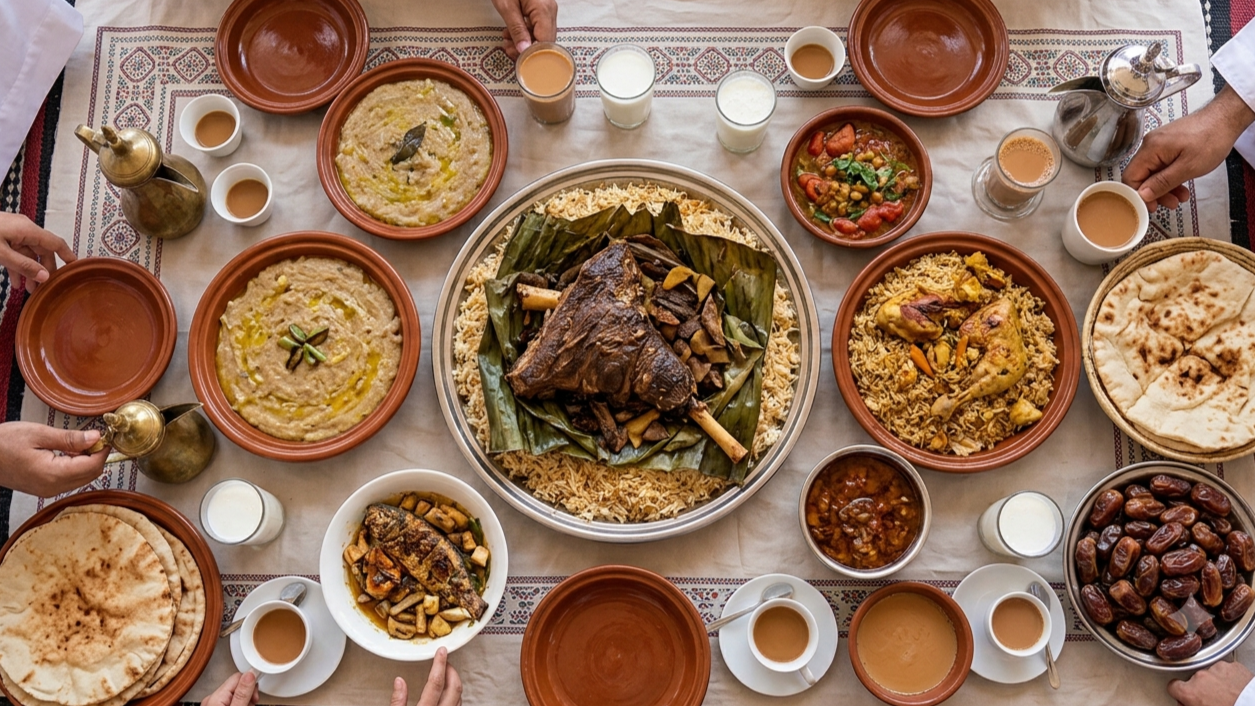
If you want food that tells a story—of hospitality, celebration, and the spice routes—Oman is waiting. From the slow-smoked comfort of shuwa to the ritual of cardamom-flavored kahwa and sticky halwa, Muscat’s Mutrah waterfront is a compact, irresistible classroom for your palate. Planning for 2026? This guide gives you the sensory must-dos, practical logistics, and on-the-ground tips so you can eat like a local without the guesswork.
Why Omani food feels like a welcome
Omani cuisine is less about trend-driven plates and more about hospitality, long cook times and fragrant spices. When you sit down for a meal in Muscat, you’re often accepting an invitation into family-style sharing—so come ready to taste, ask questions, and linger.
Signature dish: Shuwa — a festival on a plate
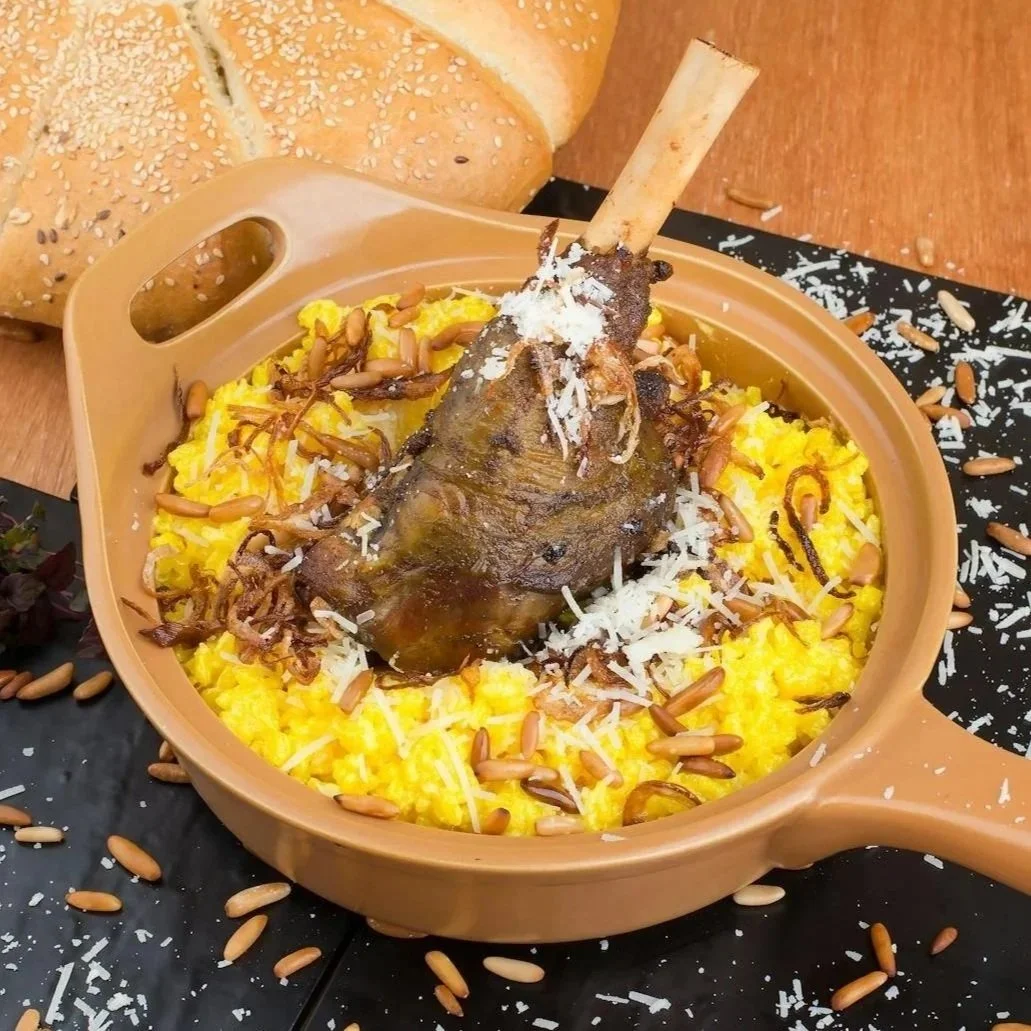
Photo by Shameel mukkath
What it is: Shuwa is typically large cuts of meat (goat, lamb or sometimes beef) marinated with spices—modern retellings commonly include chili, garlic and coriander—wrapped (traditionally in palm fronds or cloth) and slow-cooked in an underground pit or oven for many hours, often overnight.
Cultural context: Shuwa is tied to celebration and hospitality. It’s commonly associated with Eid and other big family gatherings, and when you are served shuwa it’s a sign of honor and generosity.
How to try it in Muscat: Book ahead for restaurants that list shuwa, look for festival pop-ups during Muscat Nights-style programming, or ask at family-run eateries in Mutrah. Condé Nast Traveller Middle East highlights venues around Mutrah (including Bait Al Luban) where traditional dishes like shuwa are part of the menu.
Daily ritual: Kahwa and halwa
☕ Kahwa: Omani coffee is light, aromatic and spiced with cardamom. It’s served in small cups as a gesture of welcome.
🍽️ Halwa: A gelatinous, sticky sweet flavored with rosewater, saffron or cardamom, and studded with nuts. It’s common to be offered halwa and dates with kahwa during social visits.
⭐ Tip: Accepting a cup of kahwa is polite; it’s a good moment to connect with hosts or your server and ask about the recipe or spices used.
Where to eat in Muscat — focus on Mutrah (Muttrah) and the Corniche
📍 Mutrah Corniche and Mutrah Fish Market: The Corniche is ideal for strolling and sampling fresh seafood. Nearby fish market stalls and small waterfront restaurants focus on grilled fish, shrimp and local preparations.
📍 Bait Al Luban (Mutrah): Noted in high-authority dining coverage for serving traditional Omani dishes; a good place to seek shuwa and other heritage plates.
📍 Food festival opportunities: Muscat Nights (ticketing pages list an on-site Food Festival program with international restaurants, chef competitions and interactive cooking theatre) is being promoted for 2026—if the dates and programming are confirmed by organizers, it’s a concentrated way to sample local and international culinary offerings. Note: treat exact festival dates as subject to municipal confirmation and verify before booking.
Practical planning for 2026
🗓️ When to go
Muscat & northern Oman: October–April is the prime season for comfortable temperatures and outdoor dining along the Corniche; expect peak demand (and higher prices) during these months.
Salalah & Khareef (Dhofar): July–September is Khareef season—cooler, misty and green—and heavily marketed for summer 2026 stays. If you’re extending your culinary trip, Salalah offers a distinct seasonal experience.
🛂 Visas and safety
Visas: For accurate 2026 entry information, use the Oman Ministry of Foreign Affairs “Entry visas” page and the Royal Oman Police (ROP) eVisa system linked from it—these are the authoritative sources for eligibility, eVisa categories and passport requirements.
Advisories: Check your government’s travel advisory (for U.S. travelers, the U.S. Department of State page was updated for 2026) for the latest safety and entry guidance.
💰 Budgeting & prices (2026 guidance)
Peak pricing: Expect higher rates and strong demand October–April in Muscat/north Oman.
Value windows: May–September can offer better value in Muscat, but Salalah is an exception: Khareef drives summer demand and higher prices there.
Booking tips: Reserve restaurants that advertise shuwa or special family feasts well in advance, especially during festival periods or major holidays.
Practical tips for food-focused travelers

Book a Mutrah food walk or a local guide who knows family-run kitchens—these contacts often unlock home-style shuwa or private kahwa rituals.
Timing: If you want to witness shuwa cooking, ask ahead—it’s often prepared for big events and requires long lead time.
Etiquette: When offered kahwa, take small sips; it’s a social exchange. Use your right hand for eating and accepting food if you’re joining a traditional setting.
Seafood picks: Along the Corniche, look for grilled whole fish, hammour, and spiced shrimp—freshness is the priority.
Health & comfort: Carry water for walks on the Corniche during warmer months and plan seafood meals earlier in the day if you have sensitive digestion.
Sample half-day Mutrah food itinerary (fast-paced)
🌄 Morning: Start at Mutrah Fish Market—watch fishermen unload the catch, then grab a grilled fish snack nearby.
☀️ Midday: Explore nearby alleys for halwa and kahwa samples—many sweet shops and cafes offer small tastings.
🌅 Afternoon: Stop at a traditional restaurant (booked in advance) for a shuwa tasting if available, or choose a heritage restaurant like Bait Al Luban for classic dishes.
🌑 Optional evening: If Muscat Nights programming is running and tickets are available for 2026, attend the Food Festival events for chef demos and competition showcases.
Final practical reminders
🗝️ Confirm festival dates and ticket details through official Muscat Nights channels before planning travel around the event.
🗝️ Use MOFA and ROP eVisa pages for the latest entry rules and passport guidance.
🗝️ Check national travel advisories for 2026 updates relevant to your country of residence.
Omani food is an invitation—to slow down, taste deeply and share in local hospitality. Whether you’re chasing the magic of shuwa, sipping cardamom kahwa with new friends, or wandering the Mutrah Corniche for fresh seafood, planning thoughtfully will turn meals into memories. Ready to craft a 2026 itinerary that pairs cultural context with unforgettable dining? Contact Go Beyond Travel for a personalized consultation.
#OmaniCuisine #Shuwa #Kahwa #MiddleEastEats #FoodieTravel #CulinaryHeritage
📦 Key Takeaways
Shuwa is Oman’s ceremonial slow-cooked meat—marinated, wrapped and cooke d for many hours in an underground pit; it’s associated with hospitality and special occasions.
Kahwa (cardamom coffee) served with halwa and dates is the daily hospitality ritual you should experience in Muscat.
Mutrah Corniche, the Fish Market and restaurants like Bait Al Luban are prime spots to sample seafood and traditional Omani dishes.
Plan Muscat and northern Oman visits between October–April for best weather and peak culinary events; Salalah’s Khareef monsoon season (July–September) is a summer alternative.
For 2026 travel, verify visas on the Oman Ministry of Foreign Affairs / ROP eVisa pages and check country travel advisories (e.g., U.S. Department of State updates).
