
Fairytales and Castles: The 4 Must-Visit Regions of Belgium
Original photo by Najib Samatar
Imagine medieval squares lit by golden guildhalls, cutting-edge fashion shows in converted warehouses, and misty forests where hiking trails begin within an hour of a capital city. Belgium in 2026 is compact, train-friendly, and festival-rich — perfect if you want stitched-together city culture and fast transitions into wild Wallonia. Planning can feel overwhelming; this guide breaks the loop into clear steps so you can focus on the experiences that matter.
Why Belgium in 2026 feels effortless
Belgium's compact geography and reliable rail network make it ideal if you want the feel of multiple regions without long drives. SNCB's public schedules show direct minimum journey times that let you stitch together a four-destination loop: Brussels ↔ Bruges in about 1h01 (direct) and Brussels ↔ Antwerp in roughly 41 minutes (direct). That means you can comfortably base in Brussels, explore northern cities by day, then pivot south to Namur/Liège and the Ardennes for forests and citadel visits.
If planning stresses you out, focus on two priorities: (1) lock in travel and accommodation for festival dates if you're visiting in late June–July 2026, and (2) leave time for at least one relaxed southbound leg into Wallonia so you transition from city squares to quiet valleys.
Quick 7-day loop (sample)
Day 1–3: Base in Brussels — Grand-Place, European Quarter, Ommegang if you're there 1 & 3 July 2026.
Day 4: Day trip to Bruges — canals, medieval centre, and check Procession of the Holy Blood logistics if your trip overlaps 14 May 2026.
Day 5: Day trip to Antwerp — design districts, fashion windows, and street art.
Day 6–7: South to Namur as a gateway to the Ardennes; time your trip to include Les Médiévales de la Citadelle on 4–5 July 2026 if possible.
This itinerary keeps travel light and gives you a true city-to-forest transition.
Region-by-region: what to expect and when to go
📍 Brussels — historic core + modern institutions
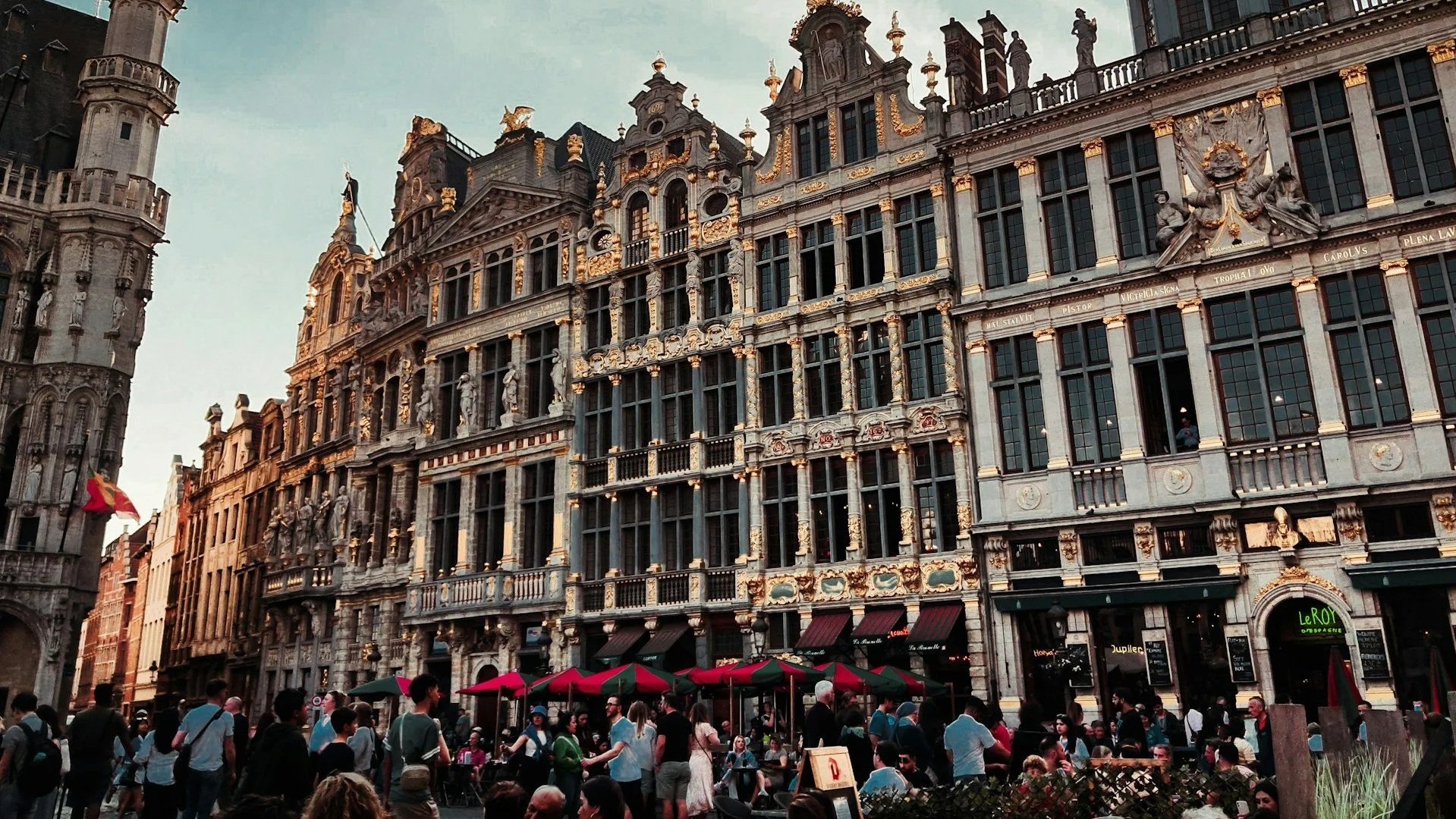
Photo by flickch
What to love: Grand-Place daytime grandeur and atmospheric evenings; the European Quarter around Rue de la Loi/Belliard/Place du Luxembourg has expanded visitor centres, museums, and EU-focused exhibitions that make the city feel both historic and modern.
2026 highlight: Ommegang at the Grand-Place — Wednesday 1 July and Friday 3 July 2026. Perfect to pair with a Grand-Place evening.
Tip: Use Brussels as your logistical hub — many direct trains to northern cities and onward connections south.
📍 Bruges — medieval charm (capacity-constrained)
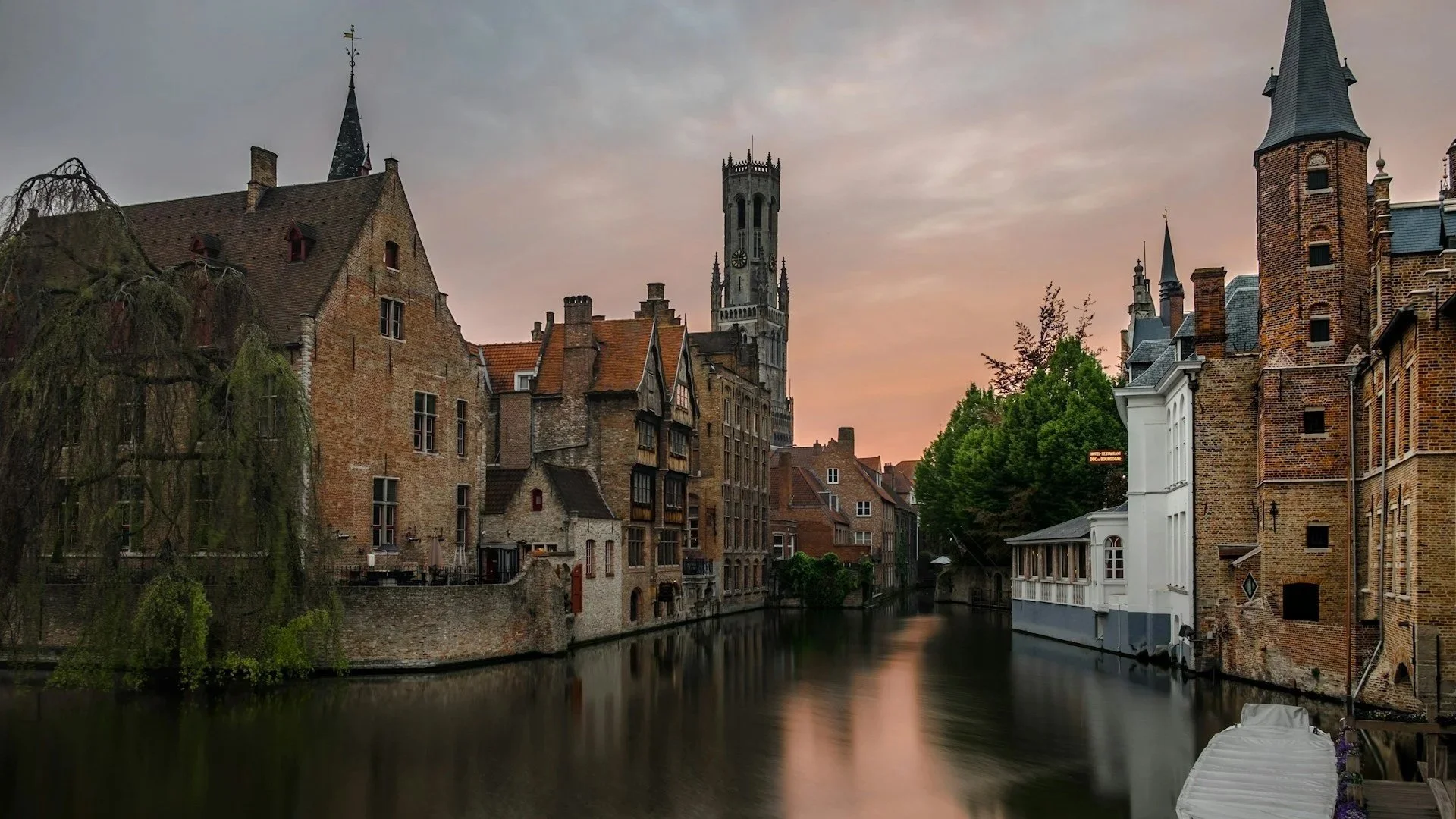
Photo by Elijah G
What to love: Picture-perfect canals and compact medieval streets. Bruges attracts heavy day-trip traffic and accommodation can fill early.
2026 highlight: Procession of the Holy Blood (Ascension Day) — the date published for 2026 is Thursday 14 May 2026; confirm on the official procession site before you go.
Tip: Consider an overnight stay in shoulder season (spring or early autumn) to enjoy quieter evenings after day-trippers leave.
📍 Antwerp — creative energy and fashion
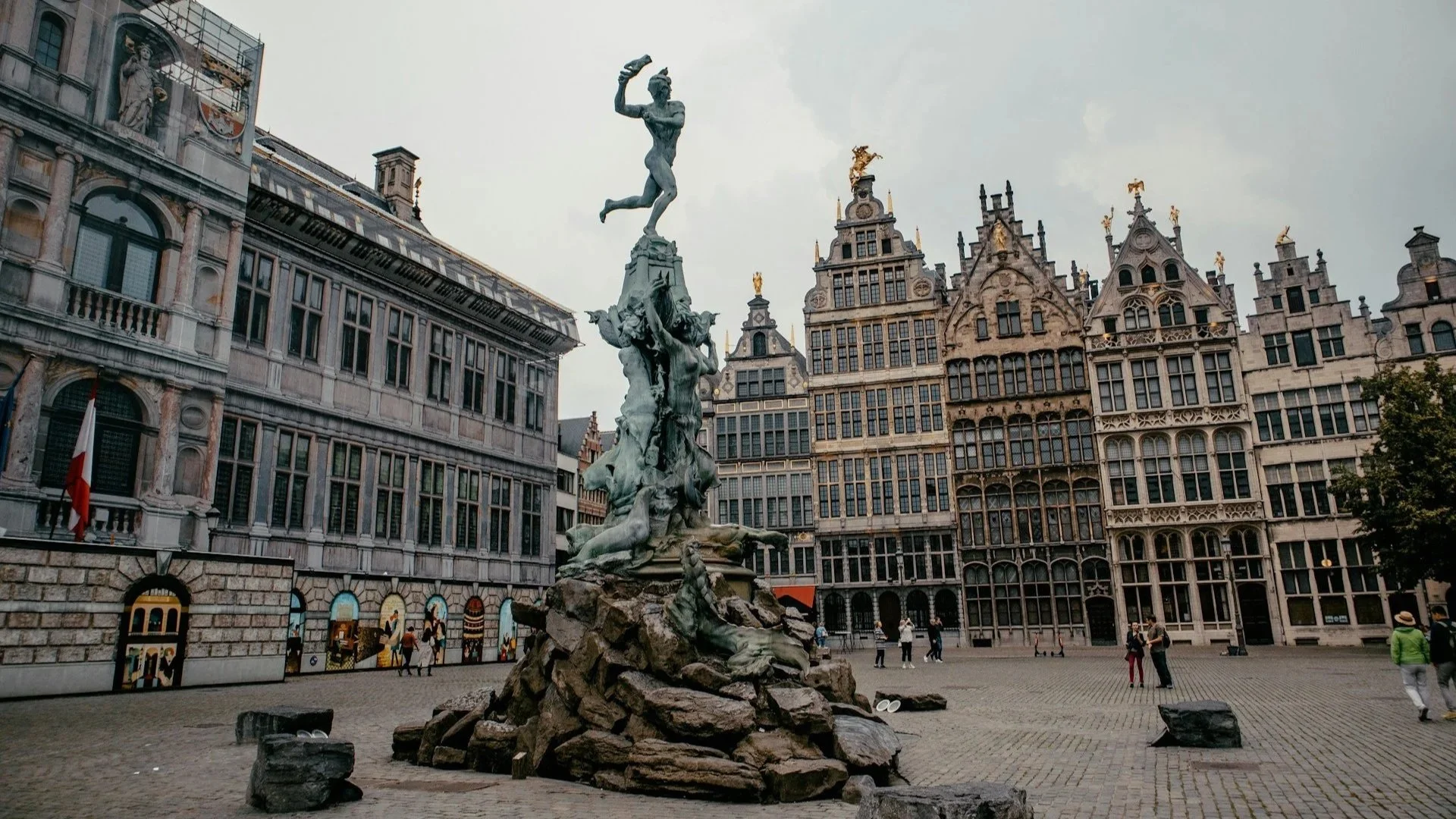
Photo by Ernest Ojeh
What to love: A buzzy creative scene with galleries, fashion ateliers, and standout street art.
2026 highlights: Antwerp.Fashion Festival (4–7 June 2026) and Meeting of Styles street art festival (26–28 June 2026).
Tip: If you love contemporary culture, schedule your Antwerp visit around these dates but expect higher demand for hotels and central spots.
📍 Ardennes / Namur (Wallonia) — forests, citadels, outdoors
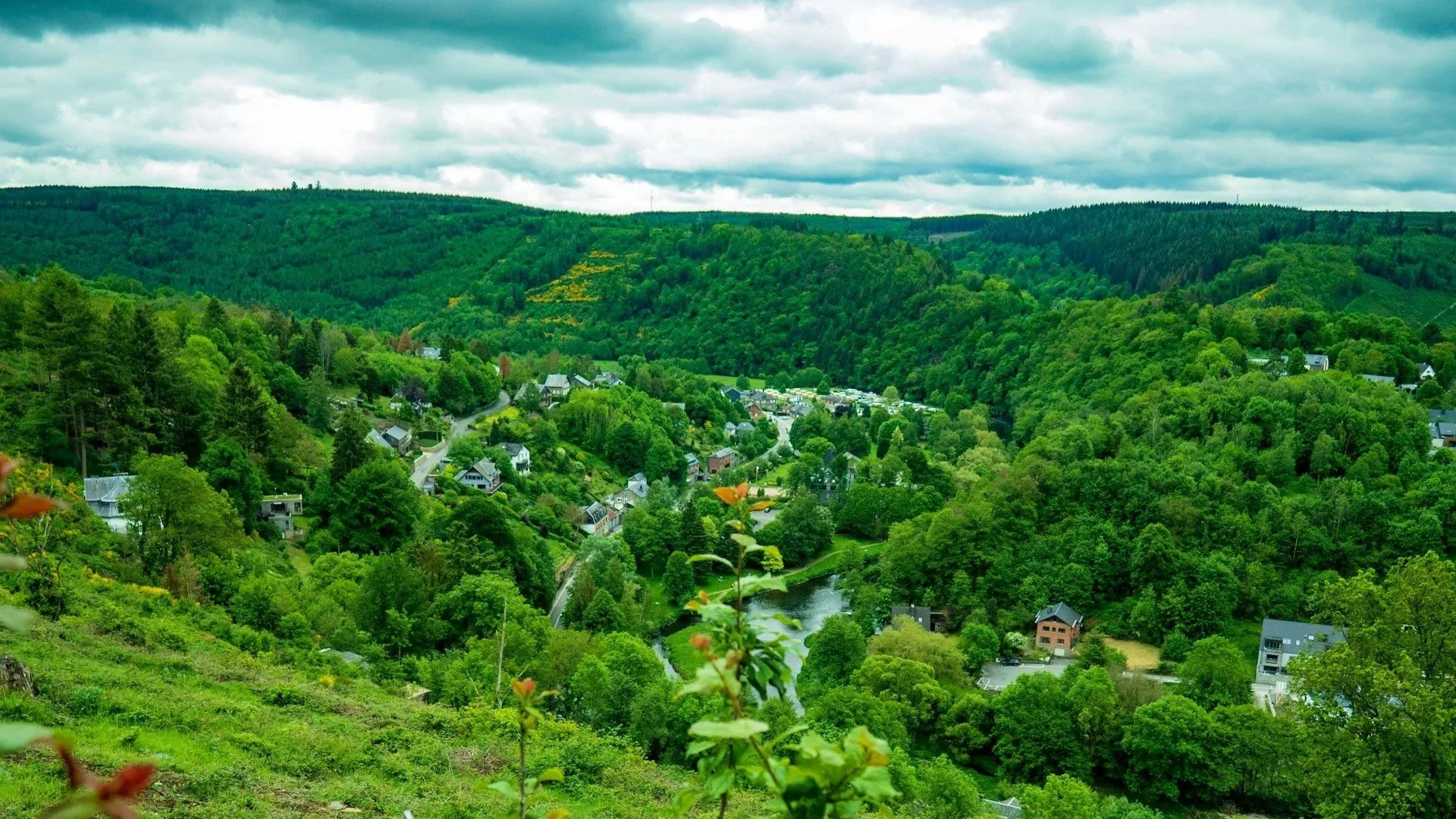
Photo by Casper Menting
What to love: Rugged valleys, historic citadels, and hiking that starts minutes from charming regional towns.
2026 highlight: Les Médiévales de la Citadelle de Namur — Saturday 4 & Sunday 5 July 2026. The citadel runs shuttles and extends cable-car hours for the festival.
Tip: Use Namur or Liège as gateway towns — they're convenient rail pivots into deeper Ardennes trails and villages.
Travel logistics & planning checklist
Train-first approach: Rely on SNCB regional and intercity services to connect Brussels, Bruges, Antwerp, Namur, and Liège — fast, frequent, and efficient.
Festival windows: Late June–July 2026 will push prices and occupancy up. If you want quieter streets and better rates, prioritize spring (April–May) or early autumn (September–October).
Border/entry change to watch: ETIAS is expected to launch in the last quarter of 2026. If you're a visa-exempt traveler from the US/UK/other countries, plan to check official ETIAS guidance before traveling late in 2026 and use the official EU portal to apply if required.
Booking rhythm: Reserve accommodation and intercity rail-based transfers early for festival dates and popular long weekends. For Bruges, where capacity is constrained, locking in lodgings months ahead is wise.
Practical tips you can use right now
Pack layers: city cobblestones and forest trails mean variable terrain and microclimates.
Plan at least one overnight outside Brussels to feel the full city-to-forest contrast — a night on a Namur citadel hill or a guesthouse in a forest village makes the trip memorable.
Confirm event dates before booking: while the 2026 event dates listed here are confirmed from official sources, always re-check official event pages as your trip approaches.
If you're short on time: a fast three-stop loop
Day 1–2 Brussels (Grand-Place + EU Quarter)
Day 3 Bruges day trip (canals)
Day 4 Antwerp day trip (creative districts)
Optional: Add a 2-night extension to Namur/Ardennes for forests and citadel time.
This keeps travel light and reduces packing/transfer stress.
Belgium in 2026 rewards flexible, rail-based travel with immediate contrasts: gilded squares, canal-side tranquillity, cutting-edge fashion, and wild Ardennes forests are all a short journey apart. If juggling festivals, rail times, and potential ETIAS requirements is feeling like too much, we can help. Ready to wander through medieval squares and historic forests? Contact Go Beyond Travel for a personalized consultation and let our expert agents design a Belgian itinerary that fits the experiences you care about. Before you pack your bags, check out our other European destination guides to discover more hidden gems across the region.
#VisitBelgium #BrugesCanals #BrusselsGrandPlace #TravelEurope #AntwerpTourism
https://travel-europe.europa.eu/en/etias/about-etias/news-corner/revised-timeline-ees-and-etias
https://www.iata.org/en/about/worldwide/europe/new-entry-requirements-eu
https://www.belgiantrain.be/en/travel-info/current/current-departure-times
https://citadelle.namur.be/fr/evenements/les-medievales-de-la-citadelle-2026
https://www.visit.brussels/en/visitors/what-to-do/eu-in-Brussels
📦 Key Takeaways
Belgium is a "train-first" country — base in Brussels and make fast rail jumps to Bruges (~1h01) and Antwerp (~41 min) according to SNCB schedules.
Book early for the late June–July festival window in 2026; consider spring or early autumn for fewer crowds and better value.
Important 2026 events: Ommegang (Brussels) 1 & 3 July; Antwerp.Fashion Festival 4–7 June; Meeting of Styles 26–28 June; Les Médiévales de la Citadelle de Namur 4–5 July; Procession of the Holy Blood (Bruges) — 14 May 2026 (confirm closer to travel).
ETIAS is expected to begin in the last quarter of 2026 — visa-exempt travelers (US/UK/etc.) should monitor official sources before late‑2026 travel.
For a smooth itinerary: use Brussels as your hub, do Bruges and Antwerp as day trips, then head south via Namur/Liège into Ardennes bases for forests and citadels.
