
The Ultimate Belgium Food Guide: Waffles, Fries, Chocolate, and Beyond
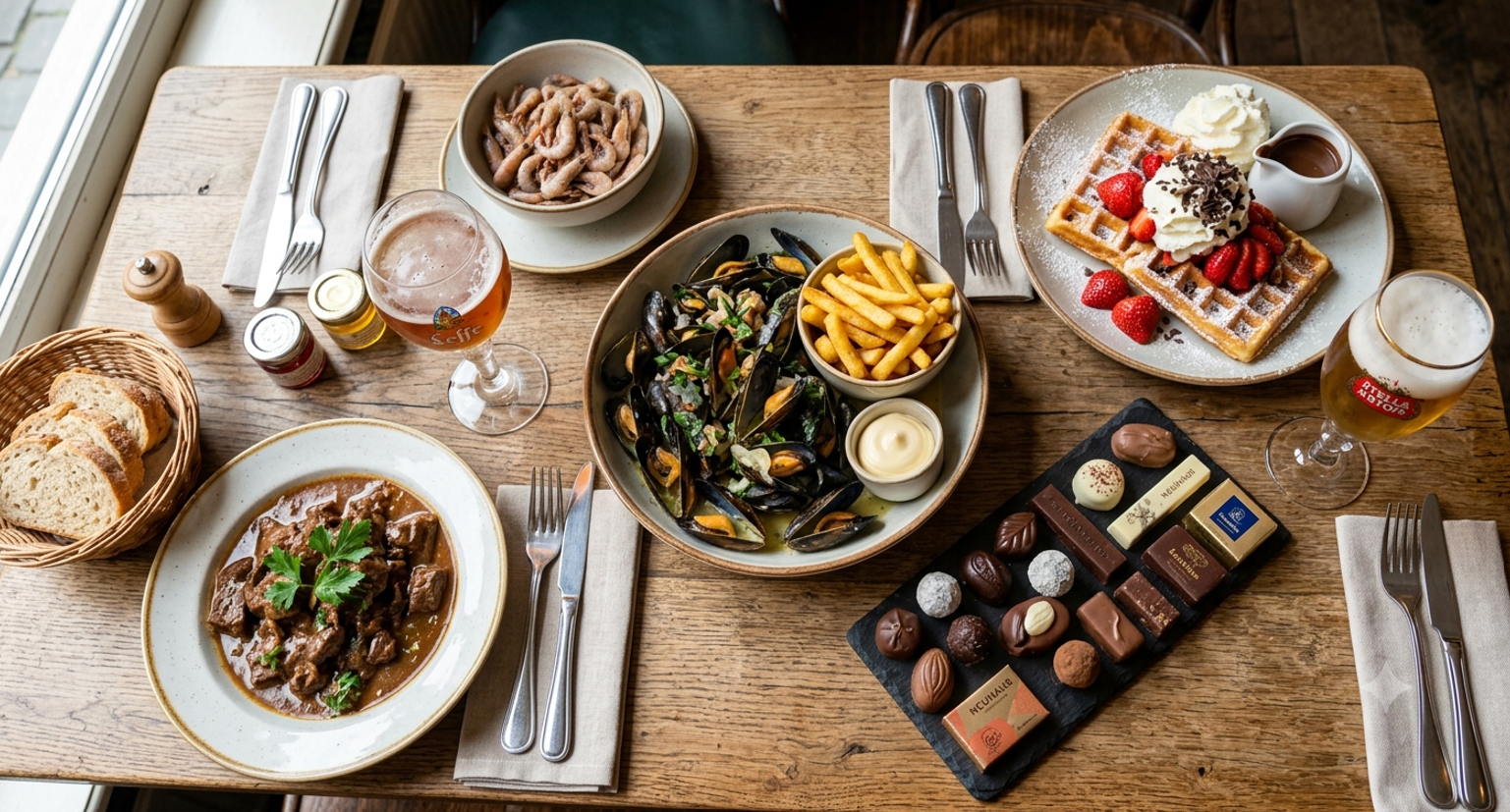
You don’t have to be a gastronome to fall in love with Belgium — but if food is a reason you travel, this compact country delivers in every alley, market and bruin café. Planning for 2026? Between new entry procedures, festival dates and the best shoulder-season windows, this guide gives you clear, up-to-date advice to plan a delicious trip without the overwhelm.
Why Belgium belongs on your culinary bucket list (2026)
Belgium packs centuries of food traditions into walkable city centers — Brussels, Bruges, Ghent and Antwerp — where you can bounce between a frietkot, a family-run chocolatier and a centuries-old brown bar in a single afternoon. In 2026, culinary travel remains one of the country's biggest draws; festivals and food-focused programming make it easy to build an itinerary around tastings, workshops and late-night street food.
Fries: the Belgian ritual
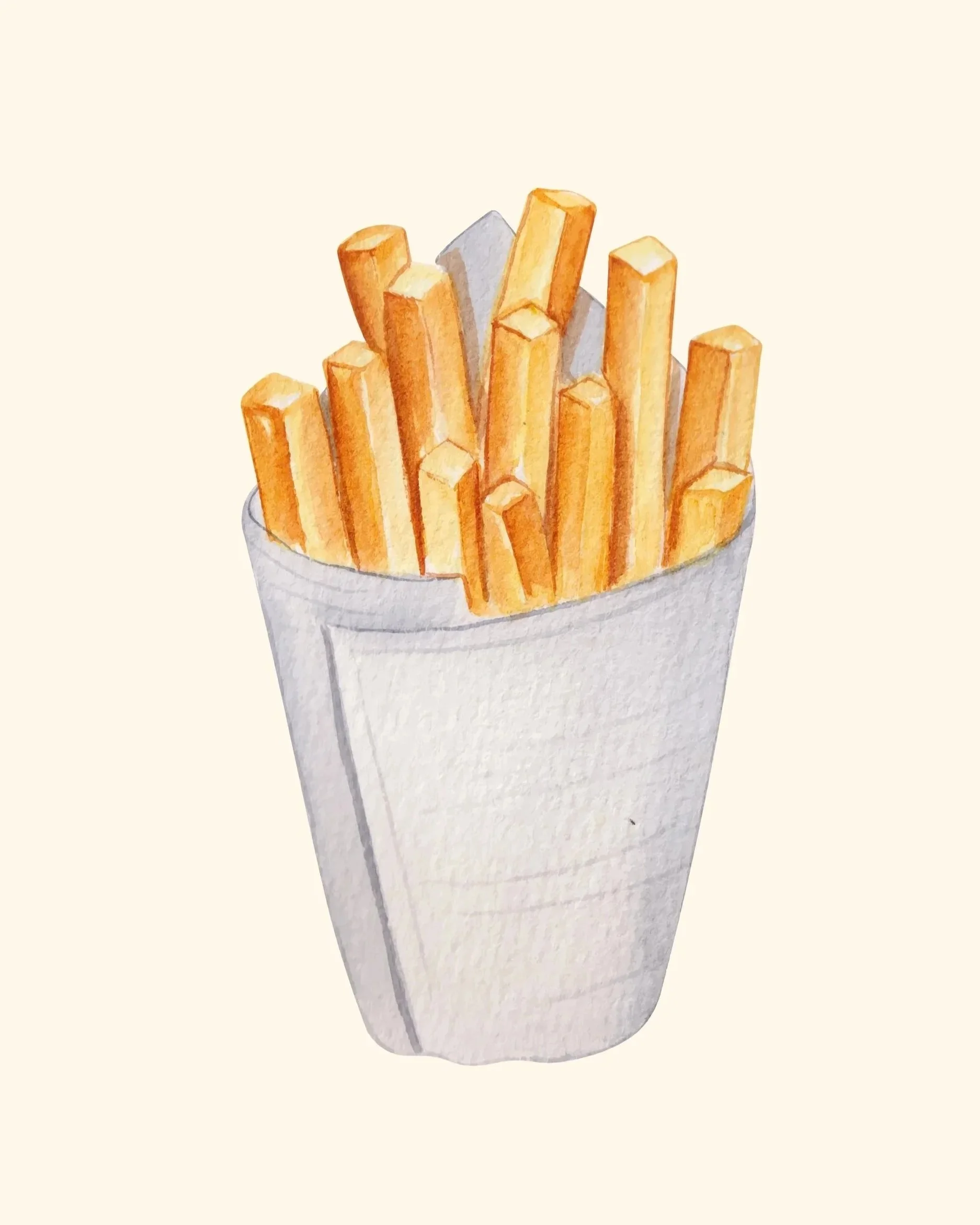
What to expect: Belgian fries are typically thick-cut and double-fried for a crisp exterior and fluffy interior. The classic condimental pairing is mayonnaise; many locals swear by it.
Where to eat: seek out a frietkot or frituur — standalone fry shacks found across cities and towns. These are often where you’ll find the most authentic experience: paper cone, hands-on sauces, and the bustle of locals.
Why it matters: high-authority travel coverage emphasizes the double-frying technique and mayo pairing as core to the Belgian style (see BBC reference).
Waffles: Brussels vs Liège (don’t confuse them)
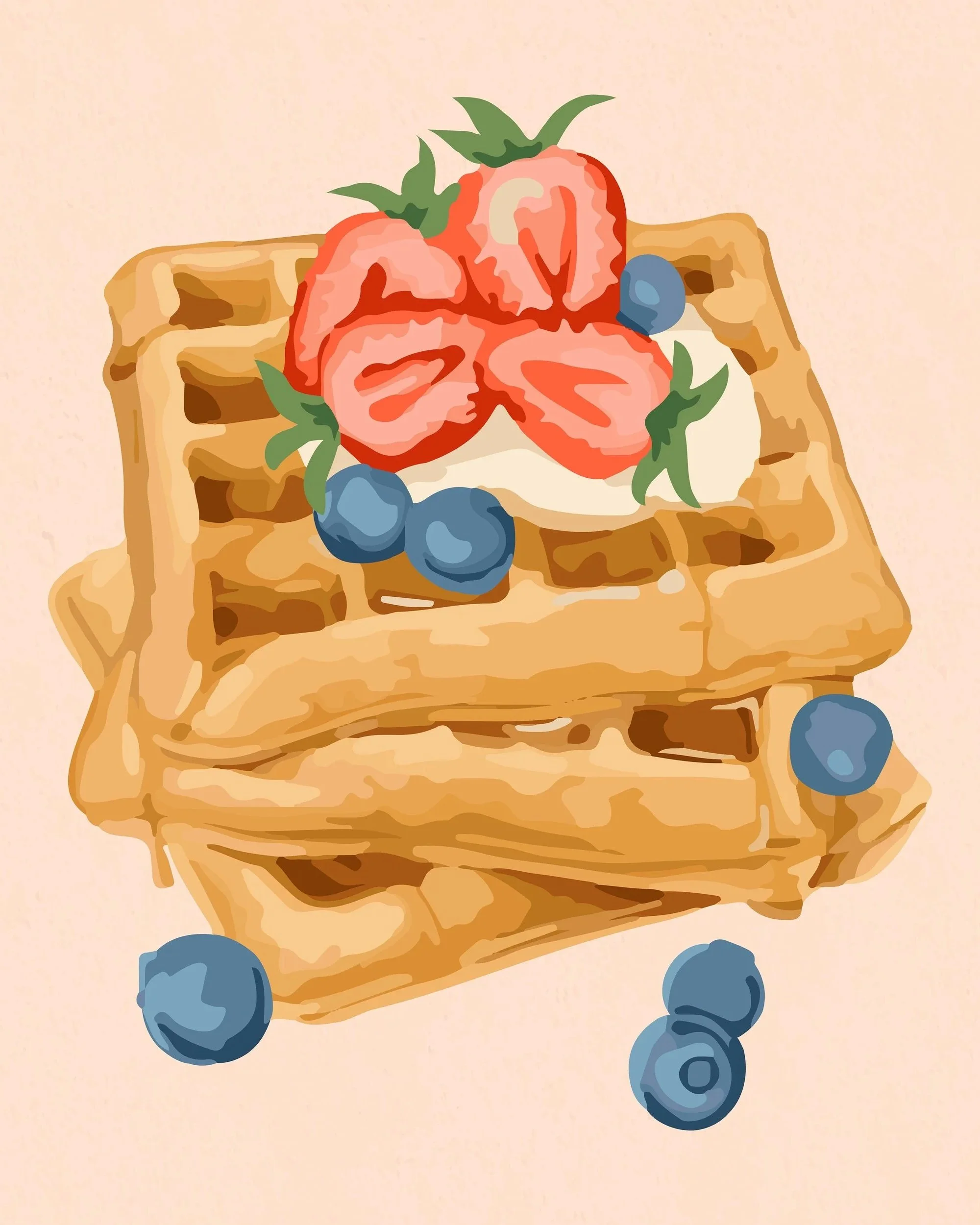
Brussels waffle: lighter, batter-based (often yeasted), crisp and airy; usually served as a base for toppings like fruit, cream or chocolate sauce.
Liège waffle: denser and doughier, studded with pearl sugar that caramelizes while cooking — commonly eaten plain and often handheld as street food.
Knowing the difference will save you from ordering the wrong thing at a busy stall — and helps you pick the right waffle for an on-the-go snack vs. a leisurely café indulgence.
Beyond fries and waffles: stews, seafood, estaminets and chocolate
Carbonnade flamande (Vlaamse stoverij): a Belgian classic — beef-and-onion stew braised in dark Belgian beer (not wine). It’s a hearty, regional specialty often found on winter menus and in traditional estaminets.
Seafood: look beyond the cities — the North Sea Food Festival in Ostend (27–28 June 2026) and other coastal events highlight shrimp croquettes, fish and shellfish preparations that deserve their own itinerary stop.
Estaminets and brown bars: these cozy, often wood-paneled cafés (sometimes called "brown bars") are perfect for trying local beers and small plates in a relaxed, historic setting.
Chocolate tourism: in 2026, visitors continue to flock to heritage chocolate houses and artisan praliniers — Brussels’ Galeries area and Bruges’ compact chocolate shops are both ideal for tastings, workshops and museum visits.
2026 event anchors for your culinary trip
Ghent Festival (Gentse Feesten): 17–26 July 2026 — a citywide celebration where street food and late-night snacks pair perfectly with live music and carnival atmosphere.
North Sea Food Festival (Ostend): 27–28 June 2026 — a great reason to experience Belgium’s seafood scene on the coast.
Belgian Beer Weekend, Grand-Place, Brussels: 4–6 September 2026 — prime time for beer fans to sample a wide range of Belgian styles and meet brewers.
VisitFlanders’ 2026 calendar also lists other food programming (e.g., Shrimp Croquette Festival, Ostend: 9–12 Oct 2026) that can help you time a coastal or regional food tour.
Plan around these dates if you want festival energy, but be aware they also bring larger crowds and higher accommodation prices.
Practical 2026 travel planning — rules, costs and timing
Entry & arrival rules you must know for 2026
ETIAS: The European Travel Information and Authorisation System (ETIAS) is scheduled to begin operations in the last quarter of 2026 for visa-exempt travelers. No action is required until it launches, but keep an eye on official guidance as your travel date approaches.
My Address in Belgium (MAB): From 10 April 2026, short-stay visitors must complete an online arrival declaration within 3 days of arrival via MAB. This ties into broader EU border digitization and means passport stamping is ending for many non‑EU short stays (entries/exits will be recorded electronically via EES).
(Always check the official Belgium FPS Foreign Affairs pages close to departure for updates.)
Costs & best time to visit
Accommodation: in mid-2026 Brussels snapshots showed average nightly rates around ~$200; expect higher prices around festivals and in December. Prices vary by neighborhood and booking lead time.
Best seasons for culinary travel: shoulder seasons (Apr–Jun and Sep–Oct) offer the best balance — fewer crowds, easier reservations at popular chocolatiers and beer cafés, and comfortable walking weather.
Peak months: July–August (festivals and school holidays) and December (Christmas markets) bring higher demand and prices.
Smart, sensory tips for eating your way through Belgium
Eat like a local: order frites in a paper cone and dip them in mayo; try a Liège waffle plain while exploring markets; book a chocolate workshop in the shoulder season when slots are easier to secure.
Pairing etiquette: Belgian beer often accompanies heavier dishes (stews, fries, charcuterie). Ask for local recommendations in estaminets — bartenders and servers typically enjoy suggesting pairings.
Reservations & walking: build walking time between tastings into your days. Historic centers are compact; a half-day can include fries, a chocolate stop and a beer café.
Be festival-smart: if you’re visiting during a major event (Ghent Festival, Belgian Beer Weekend), book hotels and any private tastings well in advance and prepare for lively street scenes.
Sample 3-day mini-itinerary (shoulder season-friendly)
Day 1 — Brussels: Grand-Place exploration, chocolate house tasting, evening at a brown bar for classic moules-frites and local ales. Day 2 — Ghent or Bruges day trip: morning waffles (Liège style on the go or Brussels style in a café), market snacks, dinner at an estaminet with carbonnade flamande. Day 3 — Coastal detour (season permitting): Ostend for seafood and, if timed right, the North Sea Food Festival.
This simple template can be stretched into a weeklong loop that adds brewery visits or a private chocolatier workshop.
Where to learn more & stay updated
Use official sources for the latest entry rules and event confirmations; the Belgium FPS Foreign Affairs pages and VisitFlanders event calendar are authoritative starting points. For cultural context on fries and waffles, established travel outlets and food history sources give good background on techniques and regional traditions.
Belgium in 2026 is a compact, endlessly rewarding food destination where street food, artisan chocolate, and centuries-old beer culture sit side-by-side. With a few practical steps — timing your trip for shoulder season, noting the April 10, 2026 MAB arrival declaration and watching ETIAS rollout later in 2026 — you can design a stress-free, taste-forward trip. Eager to experience a true culinary paradise? Contact Go Beyond Travel for a personalized consultation to book a curated chocolate tasting, a private brewery tour with local guides, or a full food-focused itinerary tailored to your tastes.
#BelgianFood #ChocolateTour #LiegeWaffles #FoodieTravel #TasteOfBelgium
📦 Key Takeaways
Belgium in 2026 is a top culinary destination: think thick double-fried frites, two distinct waffles (Brussels vs Liège), world-class chocolate and a living beer café culture.
Important 2026 travel rules: ETIAS begins in late 2026 (visa-exempt travelers) and from 10 April 2026 short-stay visitors must file an online arrival declaration via My Address in Belgium (MAB); passport stamping ends for many non-EU short stays.
Best times for food-focused travel: shoulder seasons Apr–Jun and Sep–Oct for better prices, fewer crowds and comfortable walking weather.
Flagship events to anchor your itinerary in 2026: Ghent Festival (17–26 Jul), North Sea Food Festival in Ostend (27–28 Jun), Belgian Beer Weekend in Brussels (4–6 Sep), plus regionally focused food events in autumn.
Budget signals: expect higher hotel prices during peak festivals; Brussels average nightly rates were around ~$200 in mid-2026 but vary widely by date.
