
Island Hopping 2.0: The Essential Philippines Circuit for 2026

Original photo by: Eibner Saliba
Ready to discover the Philippines beyond postcard beaches? In 2026 the archipelago is reinventing island hopping—Manila’s new MICHELIN halo, tighter conservation rules in Palawan, high-profile surf events in Siargao, and fresh dive itineraries in Coron mean your next trip needs smarter planning. This guide cuts through the noise with practical, up-to-the-minute advice so you can focus on sun, surf, and unforgettable meals.
Why 2026 is a turning point for Philippines island hopping
2026 feels like a new era. Manila has a new spotlight as a bona fide food capital thanks to the MICHELIN Guide Philippines (Manila & Environs – Cebu), Palawan is tightening conservation controls, Siargao’s surf calendar is attracting competitive crowds, and fresh dive itineraries are putting Coron back on the map for advanced divers. If you want an island-hopping trip that’s thrilling and responsible, this is the year to plan differently.
Before you go: essential 2026 logistics
eTravel: You must register on etravel.gov.ph within 72 hours before arrival/departure. Registration is free—avoid paid third-party sites.
Flights: Book domestic flights early. 2026 inflation and fuel price swings are keeping fares unpredictable. Watch these 2026 schedule items closely:
El Nido flights: a routing change effective March 29, 2026 shifts many Manila–El Nido services to Clark (CRK) departures—confirm your airport when booking.
Airport works: Bohol-Panglao’s phased reconfiguration began in 2026 and Siargao airport upgrades are in progress—these projects can affect connections and timing.
Weather: PAGASA signaled a possible El Niño by mid-2026; expect hotter, drier spells in some regions. For calm seas and reliable conditions for island hopping, aim for November–May where possible.
Budgeting & mandatory fees (2026 realities)
Plan for mandatory eco-fees in Palawan: the ETDF is commonly cited at PHP 400 (valid ~10 days) and lagoon user fees for Big/Small Lagoon are often around PHP 200. These are standard crowd-management tools—factor them into your daily budget.
Local fee changes: some attractions (like Bohol tarsier sites) updated fees in April 2026—always confirm current prices on official pages or at-sight before travel.
Destination-by-destination: what to expect and how to travel smart
📍 Manila — your culinary gateway
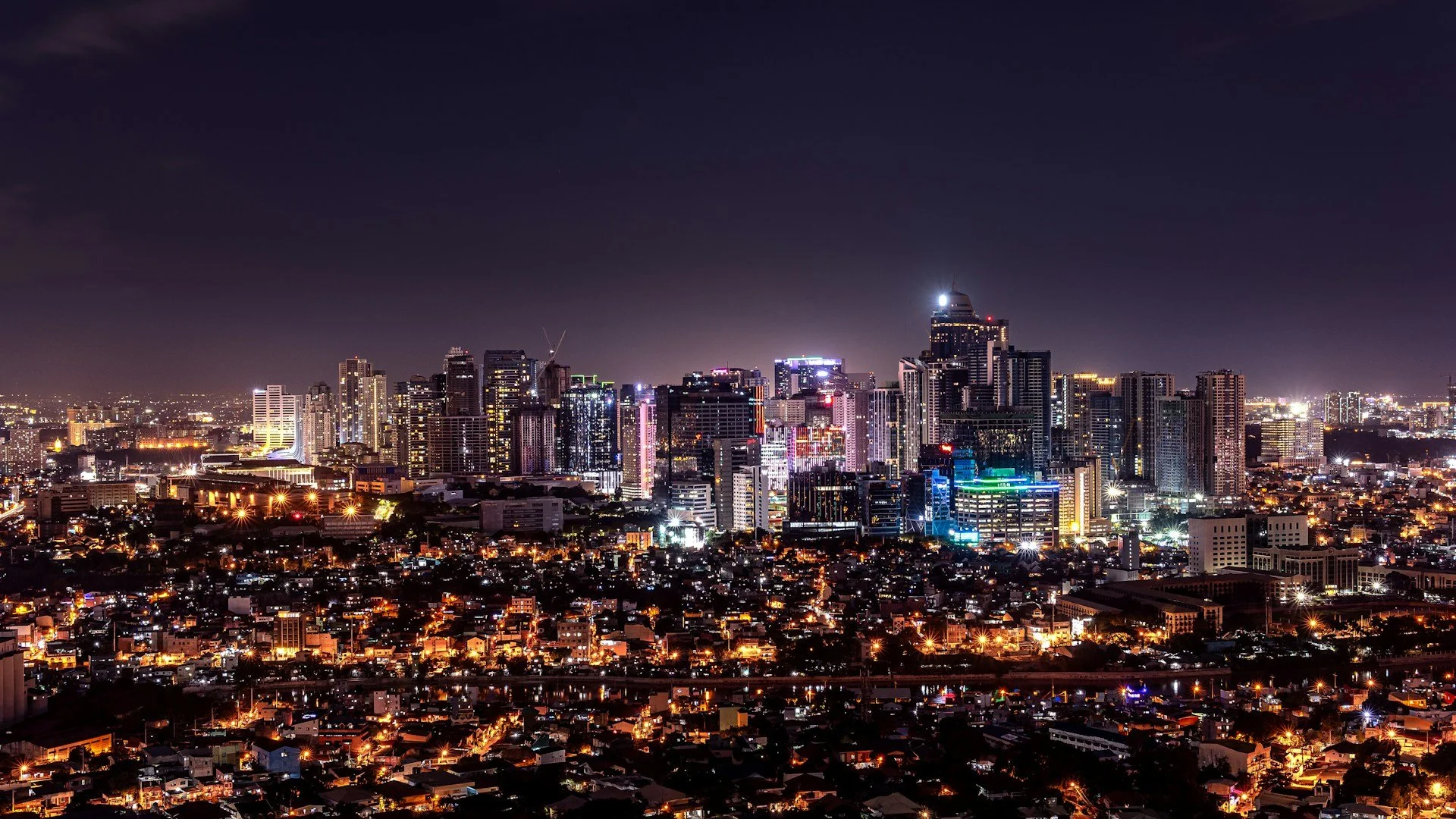
Photo by Sean Yoro
Why stop here: The MICHELIN Guide Philippines (debuted Oct 2025 as the 2026 selection) validated Manila as a global food hub: fine-dining modern Filipino tasting menus, Bib Gourmand value eats, rising cocktail culture, and sustainability-minded restaurants (Green Star mentions).
Practical tips: Use Manila as your food anchor before island legs. Build one or two culinary experiences into your arrival or departure day, but leave time for traffic and airport check-in—NAIA modernization is underway in 2026, and terminal/operations can change.
📍 Bohol — tarsiers and changing airport flows
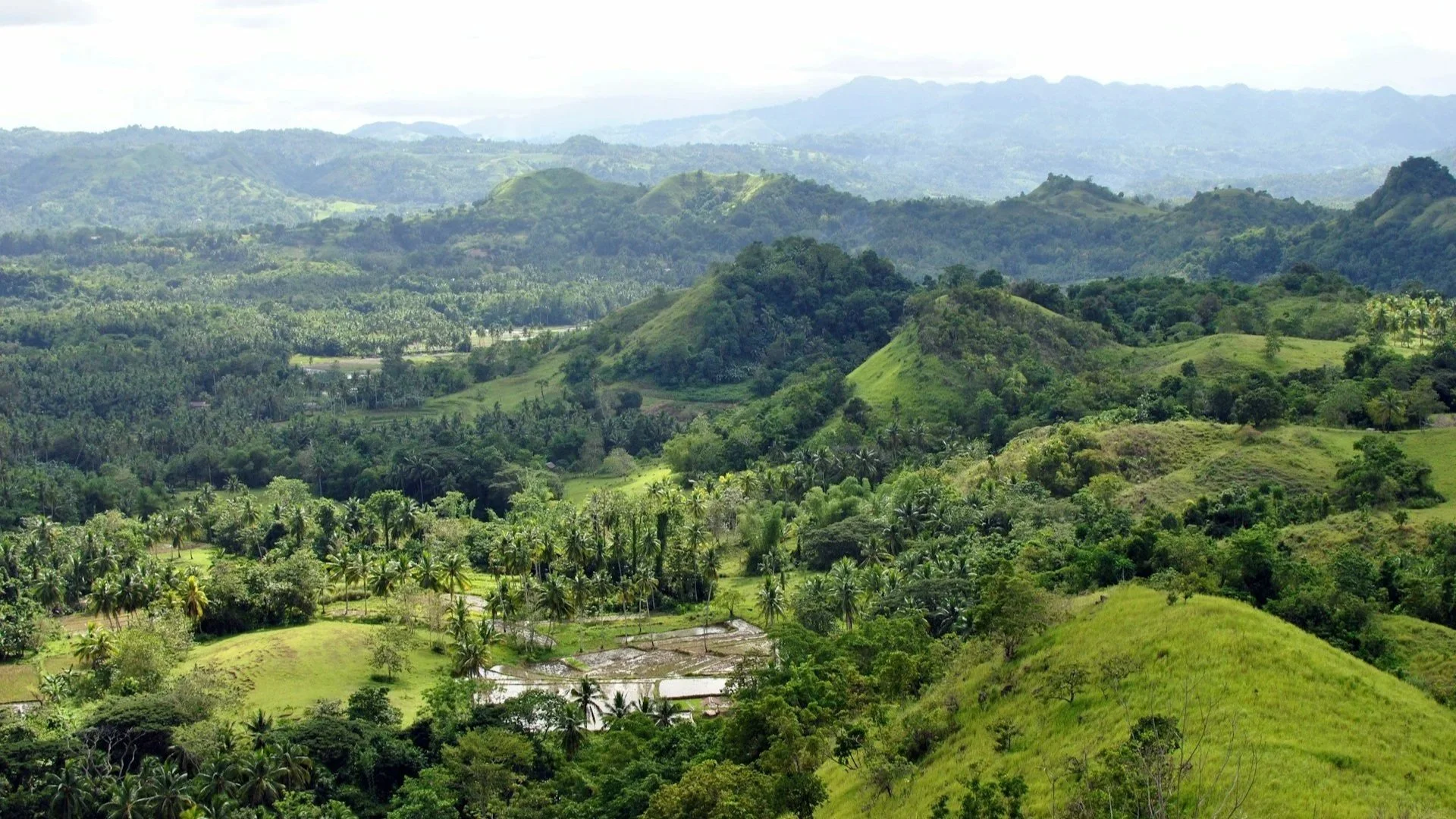
Photo by Ken Shono
Highlights: Chocolate Hills, tarsier sanctuaries, and improved airport operations as Panglao’s phased reconfiguration rolled out in 2026.
Respect and rules: Tarsier viewing remains strict—no flash photography, quiet voices, no touching, and limited viewing time. Confirm any local fee updates announced in April 2026 before you go.
📍 El Nido (Palawan) — lagoons with new management

Photo by Mario von Rotz
Conservation-first: Expect eco-fees and lagoon user fees (ETDF ~PHP 400; lagoon fees ~PHP 200). Operators are being accredited and entry to iconic sites is regulated to reduce crowding and environmental impact.
Booking: Reserve boat tours with accredited operators and bring reef-safe sunscreen. Follow site rules: no touching corals, no littering.
Flight note: From March 29, 2026 many Manila–El Nido flights may operate via Clark (CRK). Double-check departure airports when booking and when you reconfirm flights.
📍 Coron — wrecks, reefs, and new liveaboard options
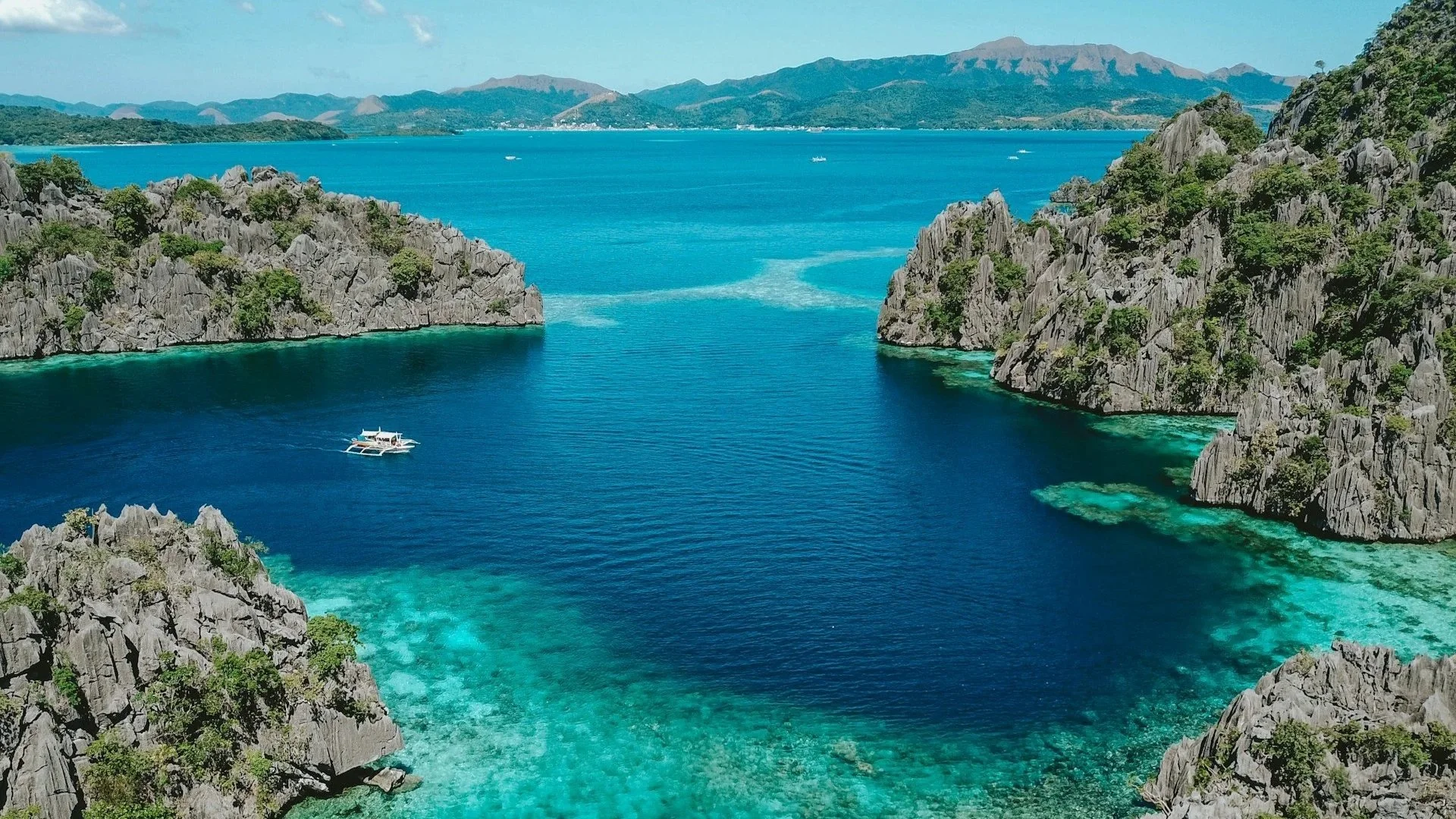
Photo by John Hernandez
Dive scene update: New Philippines Aggressor itineraries launch Nov 7, 2026 and include Coron wrecks—an exciting 2026 product for experienced divers.
Safety & conservation: Wreck penetration requires specialty training. Emphasize excellent buoyancy control, follow no-take rules (no artifacts), and dive with operators who practice conservation-first briefings.
📍 Siargao — surf culture, events, and growth
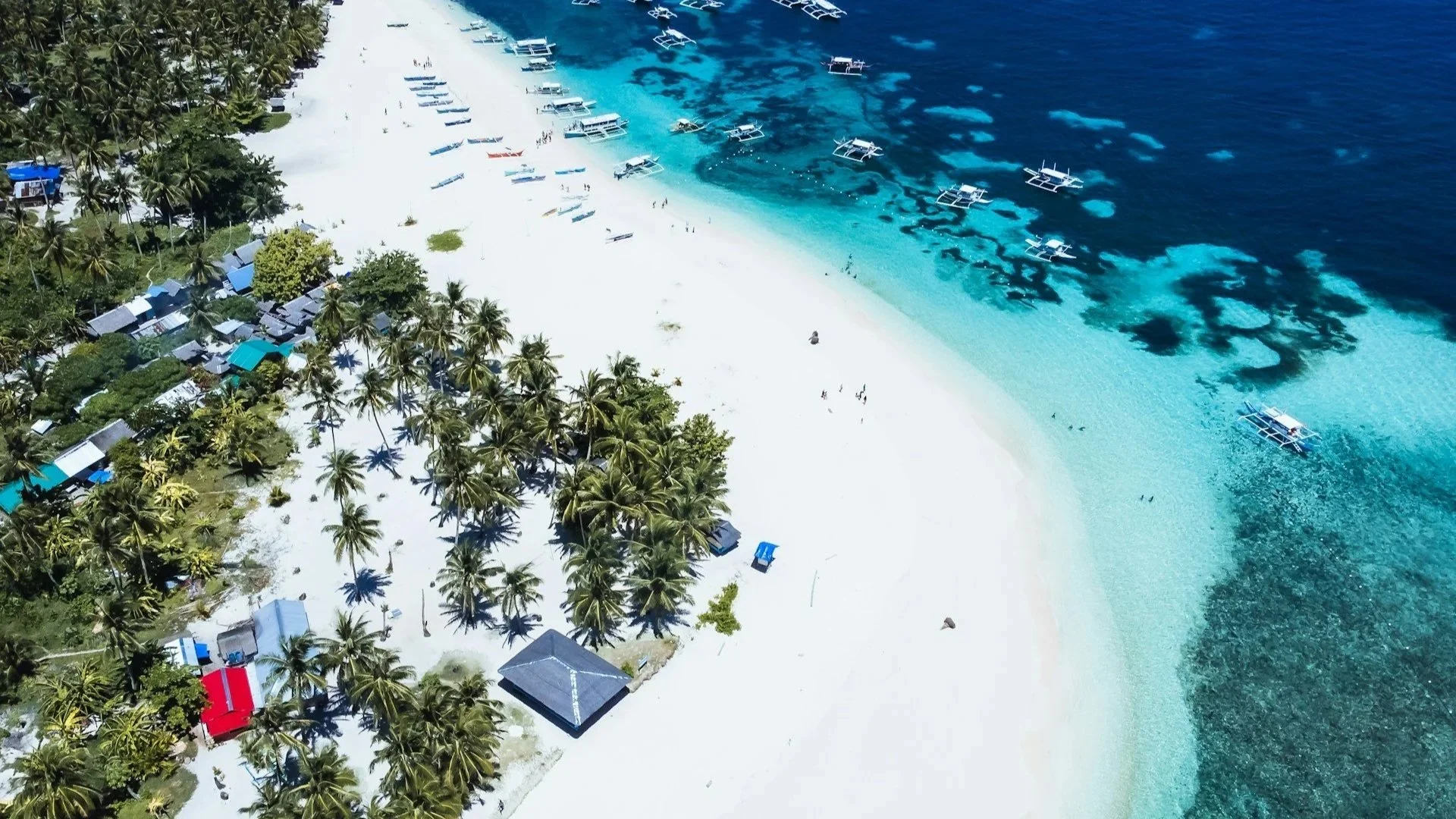
Photo by Adrien Brun
Events that matter in 2026:
Queen of the Point (women’s longboard), May 7–10, 2026
Siargao International Surfing Cup (WSL QS 6000), Oct 16–25, 2026
Travel impact: Expect spikes in demand and higher fares during these windows. Airport runway/terminal upgrades are being pursued to handle growth—timelines may shift, so monitor developments when planning.
Vibe: The island remains laid-back, but big events bring crowds—book surf lessons, accommodation, and day trips well in advance for those dates.
Practical packing & health checklist for 2026
🪪 Travel documents: eTravel registration confirmation and printed copies of bookings.
☀️ Sun & heat: With possible El Niño-driven heat in 2026, pack lightweight sun-protective clothing, electrolytes, and reef-safe sunscreen.
🤿 Dive & surf gear: If you’re serious, bring your own regulators/mask/boots for comfort; for wreck diving, confirm training and certification documentation with your operator.
🍃 Eco kit: A reusable water bottle (many islands encourage refillable use), reef-safe sunscreen, and a small beach trash bag.
Sample 10–14 day Golden Triangle + Active Islands itinerary (planning template)
Days 1–2: Arrive Manila — food-focused exploration (MICHELIN picks, street food, cocktail bars).
Days 3–5: Fly/transfer to Bohol — tarsier sanctuary, Chocolate Hills, Panglao beaches.
Days 6–8: El Nido — island-hopping with accredited operators, lagoon visits (budget ETDF + lagoon fees).
Days 9–11: Coron — wreck dives or snorkeling; join a liveaboard if you’re a certified technical/wreck diver (note new Aggressor itineraries start Nov 7, 2026).
Days 12–14: Siargao — surf lessons or watch competitions (schedule around May or Oct events), relax and depart via upgraded connections where available.
2026 travel checklist — quick action items
✅ Register on etravel.gov.ph within 72 hours of arrival/departure.
✅ Book domestic flights early and confirm departure airports (watch Clark routing for El Nido effective Mar 29, 2026).
✅ Reserve accredited island operators and liveaboards in advance, especially for Siargao event windows and Palawan peak season (Nov–May).
✅ Factor in ETDF and lagoon/user fees (Palawan) and verify local attraction fees that may have changed in April 2026.
✅ Prepare for hotter/drier spells if El Niño develops—hydrate, pack sun protection, and adjust plans if inland heat or water availability becomes a concern.
Island Hopping 2.0 in 2026 is about richer experiences and smarter choices: taste Manila’s elevated dining scene, travel with conservation-minded operators in Palawan, time Siargao around world-class surf events if you want the action, and dive Coron with the right training. Planning well keeps you flexible and lets you enjoy the best of the Philippines responsibly. Ready to find your own private cove? Contact Go Beyond Travel for a personalized consultation and let our specialists design an island-hopping route that matches your pace, interests, and 2026 travel windows.
#VisitPhilippines #ElNido #Bohol #IslandHopping #Palawan #Travel2026
📦 Key Takeaways
Manila’s culinary profile is elevated in 2026 by the MICHELIN Guide Philippines (Manila & Environs – Cebu), making the city a must-stop food hub.
eTravel registration (etravel.gov.ph) is required within 72 hours of arrival/departure — it’s free; avoid paid third-party sites.
El Nido and Coron now have mandatory eco-fees and lagoon/user fees (ETDF ~PHP 400; lagoon fees ~PHP 200) and stronger crowd-management rules—book accredited operators.
Siargao hosts major events in 2026 (Queen of the Point May 7–10; Siargao International Surfing Cup Oct 16–25) — expect demand spikes and plan flights early.
New dive products (Philippines Aggressor itineraries launching Nov 7, 2026) make Coron even more compelling for experienced divers; speciality training recommended for wreck penetration.
PAGASA flagged the possibility of El Niño by mid-2026—plan for drier, hotter conditions in some regions and schedule island-hopping around reliable seas (Nov–May).
Domestic flight schedules and airport works (Manila/Clark routing changes for El Nido effective Mar 29, 2026; Panglao and Siargao upgrades in progress) can affect logistics—re-check close to travel.
